Week 20/04 – 23/04
Ideation
Kevin introduced the flipped classroom assignment and explained the requirements. We had to create a lesson of approximately 30 minutes and develop a suitable schedule for it.
Elena and I decided to work together because we both major in ICT. We first discussed possible topics and eventually decided to teach participants how to create a simple website. After making this decision, we consulted with Linh, who was preparing a flipped classroom about web design in Figma. We discussed collaborating so that participants could design a website in her session and then build it during ours.
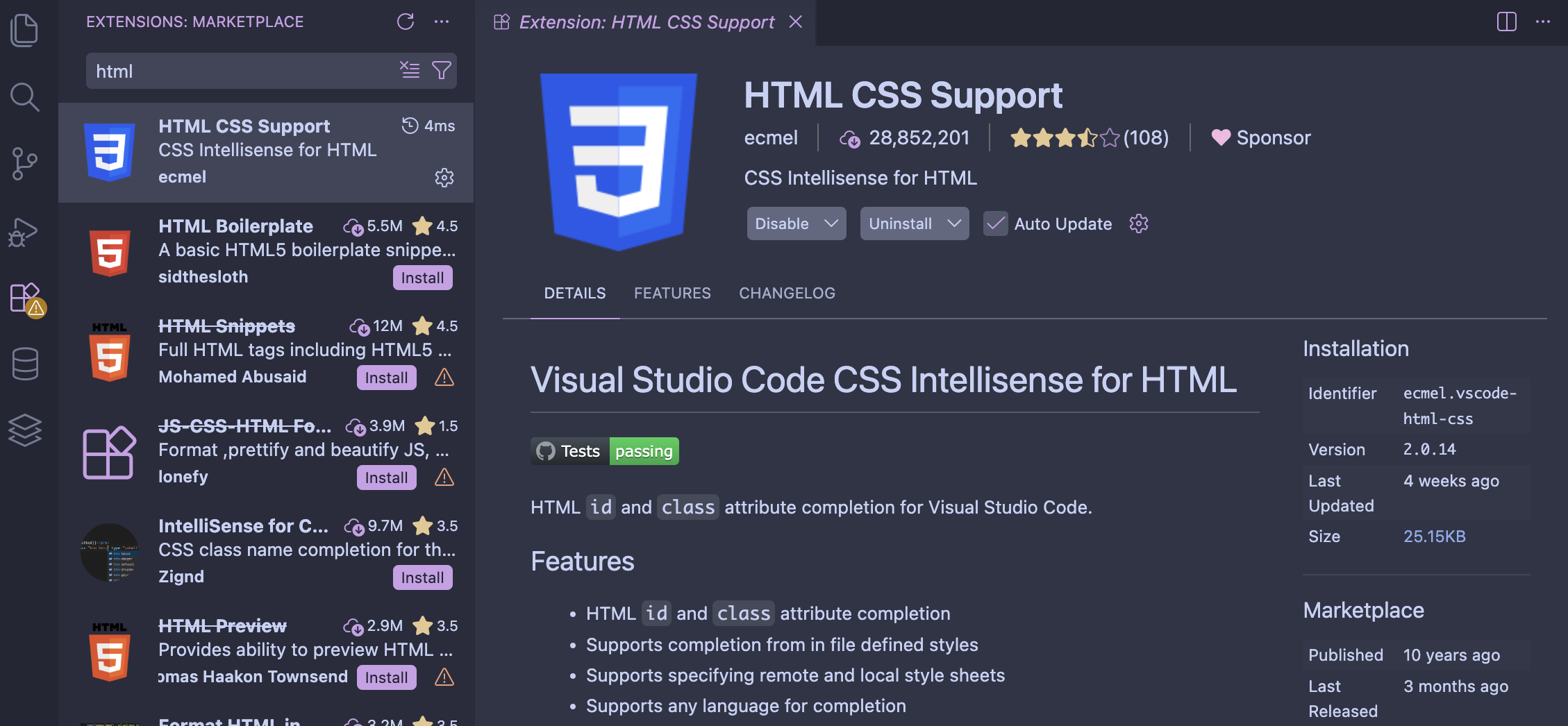
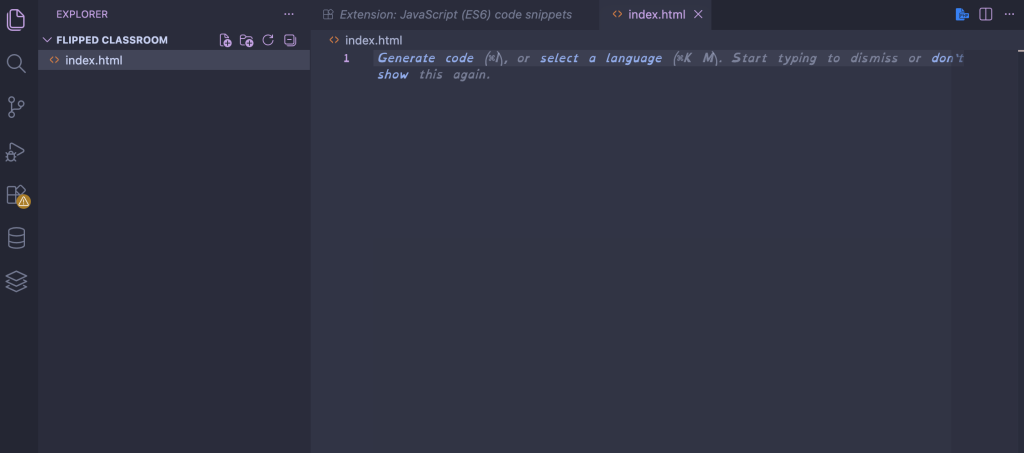
To make the coding process accessible, we considered using Codecademy because it provides an online coding environment, allowing participants to work without installing Visual Studio Code.
Week 04/05 – 07/05
Development
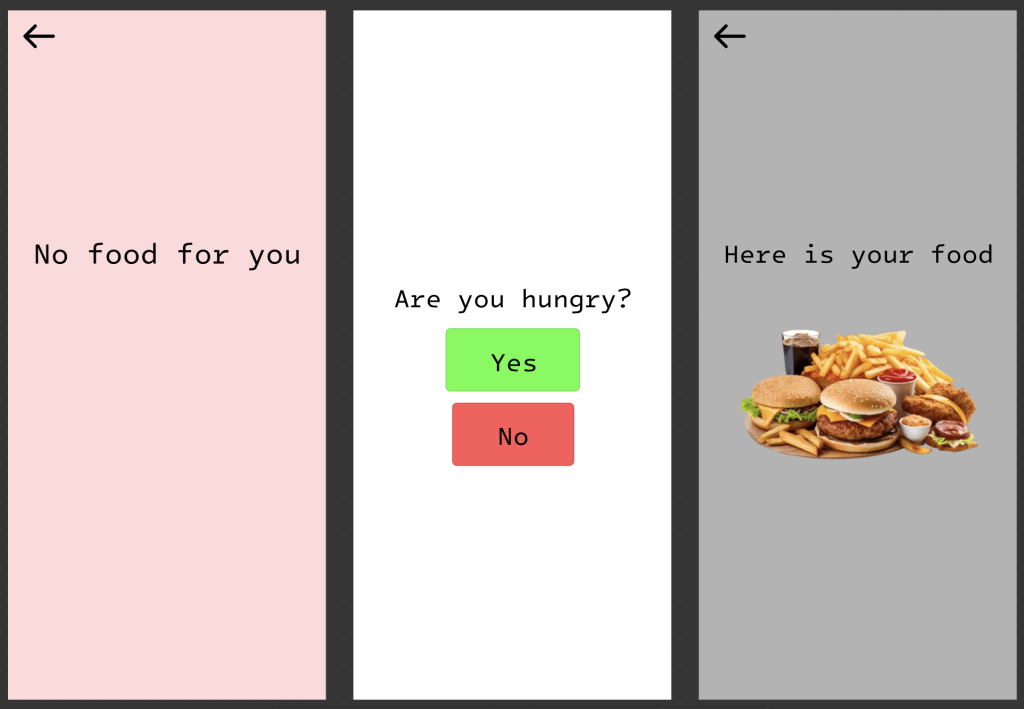
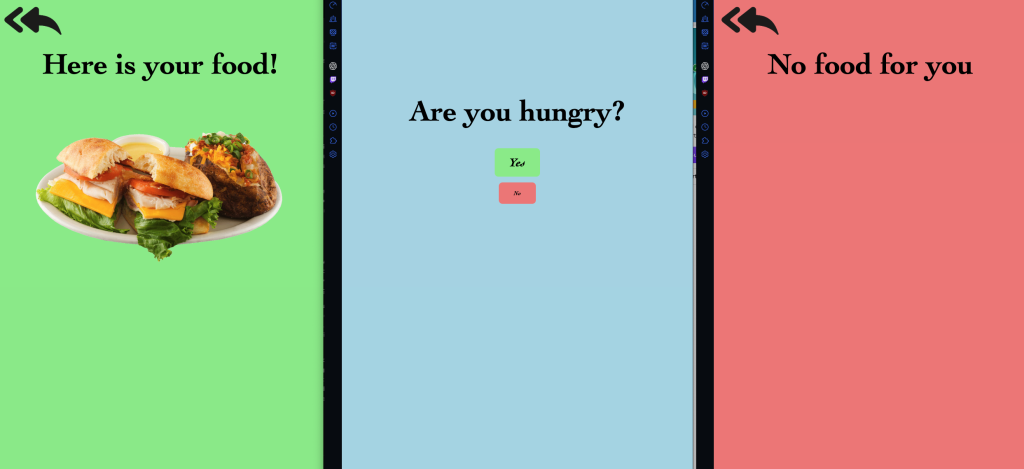
During this week, we discussed the best approach for developing both the lesson content and the presentation. After selecting a presentation style and design, we began building the website that participants would create during the session.
The design was relatively simple, which allowed us to focus on creating clear explanations and ensuring that the coding process would be easy to follow for beginners. The website development progressed smoothly and according to plan.
Week 11/05 – 13/05
Refinement
This week focused on reviewing our work and preparing for the final presentation. We compared and refined the code and practised our presentation in front of a small audience on Wednesday.
The practice session went well and provided valuable feedback, especially from Linh. Based on this feedback, we improved both the presentation and the coding exercise. After implementing the suggested changes, we finalised the materials for the actual flipped classroom.
Week 18/05 – 21/05
Execution
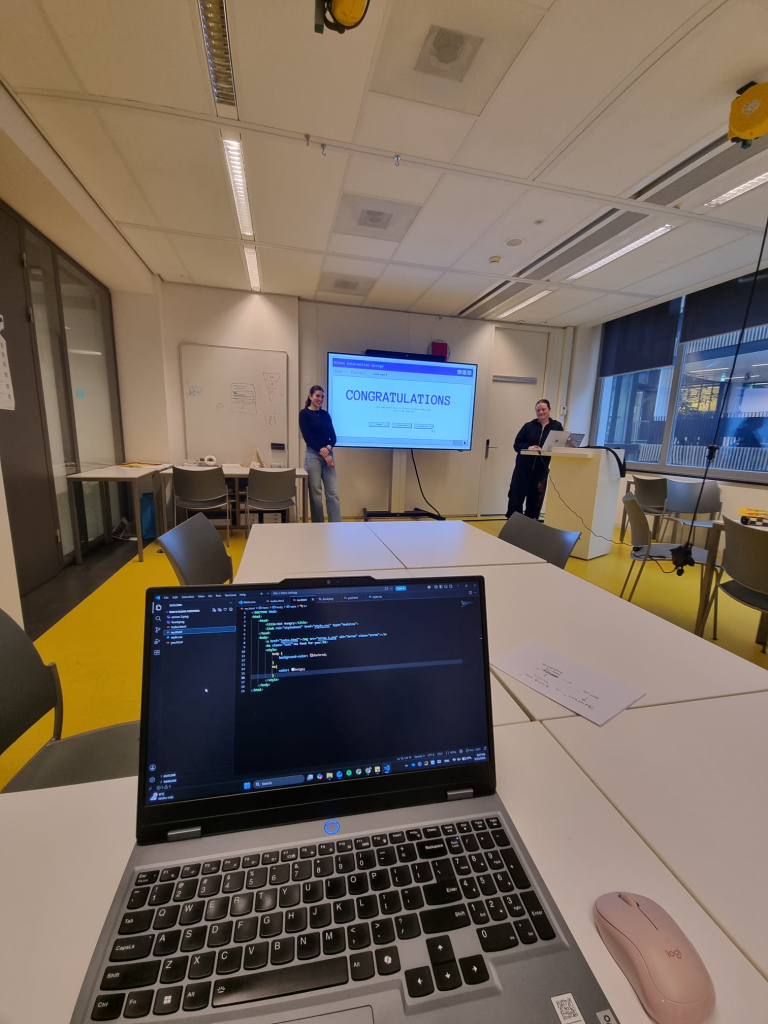
Our flipped classroom was originally scheduled for Tuesday but was moved to Wednesday due to other commitments. We presented directly after Katinka’s session.
Although we had practised extensively and carefully planned the lesson, the presentation did not go as well as expected. We noticed that many participants seemed disengaged during the live coding exercises. Looking back, this may have been because a large number of students already had coding experience and found the beginner-level pace too slow.
In hindsight, it might have been beneficial to create separate tasks for participants with different experience levels. This could have kept everyone engaged and made the learning experience more effective for both beginners and advanced participants. Despite the challenges, the experience provided valuable insights into lesson planning and audience engagement.
Reflection
Creating and delivering our own flipped classroom was a valuable learning experience. Throughout the process, I learned that preparing educational content requires more than simply understanding the topic yourself. It is important to consider the prior knowledge, interests, and learning pace of the audience.
The preparation phase went smoothly because Elena and I worked well together and had a clear division of tasks. Practising the presentation beforehand helped us identify weaknesses and improve our final materials. Although the actual session did not go as well as we had hoped, it taught me an important lesson about adapting content to different experience levels.
Looking back, I would create additional challenges for more advanced participants while keeping the basic exercises accessible for beginners. This would likely increase engagement and allow everyone to learn at their own pace. Overall, the experience improved my presentation, planning, and teaching skills and gave me a better understanding of how difficult it can be to keep an entire group engaged during a practical lesson.
Learning Outcome
2.2 The student shares relevant knowledge and skills from their own discipline to help others develop new ways of working and thinking.
Together with Elena, I developed and presented a flipped classroom about creating a simple website. This allowed me to share knowledge from my ICT and Game Development background with other student. By explaining the basics of website creation and guiding participants through practical exercises, I helped other gain insight into web development and digital design.


2.4 The student reflects on their own development, the transdisciplinary collaboration, and develops a vision of themselves as a designer.
Giving a workshop made me realise that being able to do something yourself is different from teaching it to others. I learned that communication, adaptability, and understanding the audience are important design skills.

2.5 The student demonstrates critical ability regarding their own contribution to the group work.
After presenting the workshop, I reflected on both the final result and my own contribution. Although the workshop was successful in some areas, I noticed that certain explanations could have been clearer and that the pace was not ideal for everyone.
Attended Flipped Classroom
Linh | Rapid Prototyping in Figma | 07/05
Summary
Linh’s flipped classroom focused on rapid prototyping in Figma. During the session, we created a simple interactive mobile experience where users could navigate between screens using buttons.
Reflection
I had not worked with interactive prototyping in Figma before, so this session introduced me to a useful skill that I can apply in future design projects.
Pien & Jaydey | Storyboarding | 12/05
Summary
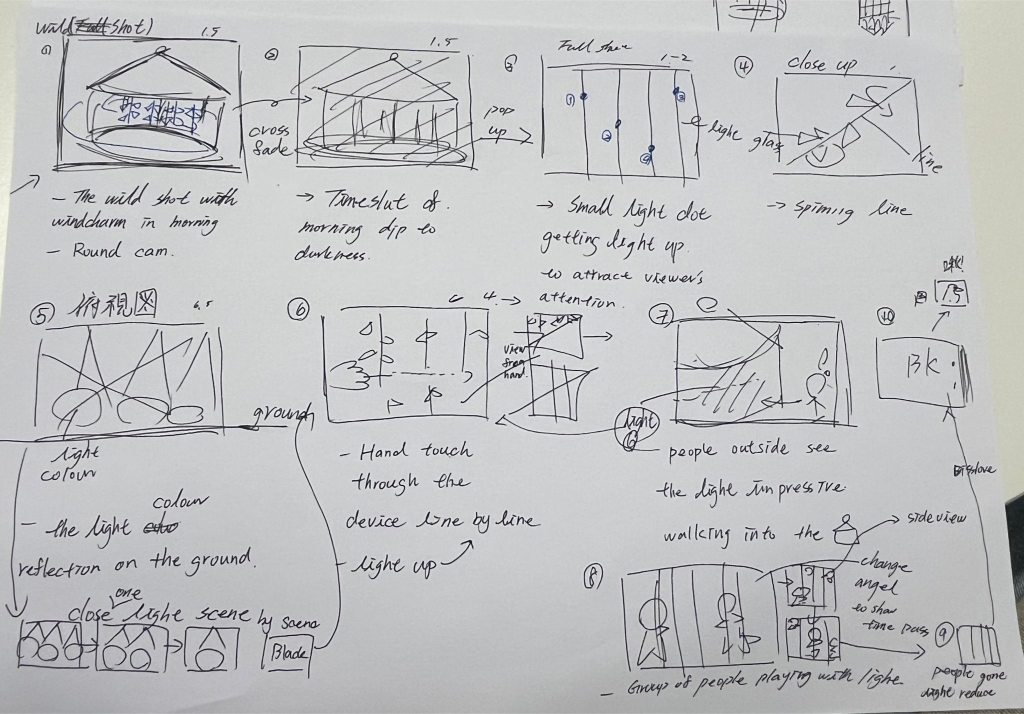
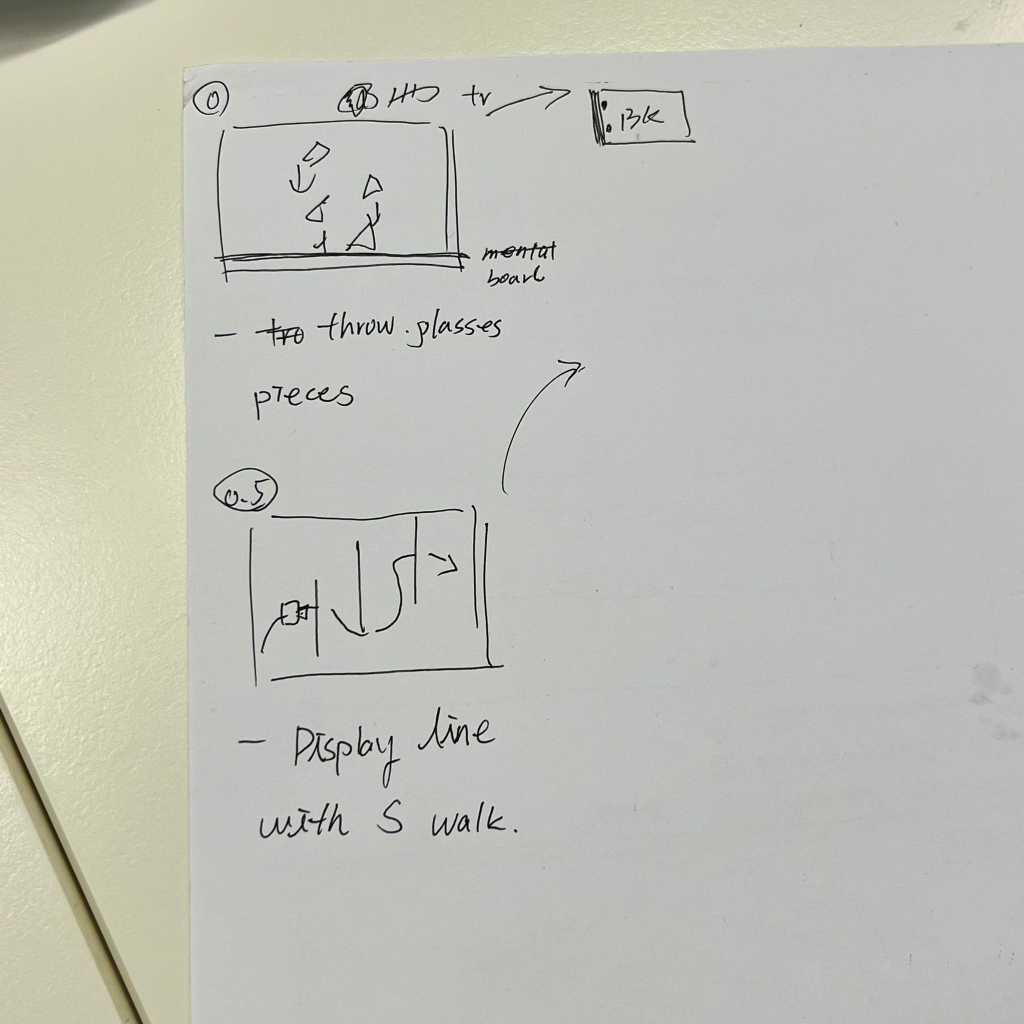
Pien and Jaydey introduced storyboarding techniques and guided us through creating both a simple storyboard and one related to our final project.
Reflection
This session taught me that storyboards do not need to be perfect. Clear communication is more important than detailed drawings, which helped me work more efficiently.
Angela | AI in Urban Interaction | 12/05
Summary
Angela discussed the impact of AI on jobs and society and encouraged us to think about how different groups of people may experience these changes. We were asked to consider how people would react if AI replaced parts of their jobs and what effect this could have on their lives.
Reflection
The session broadened my perspective on AI and helped me understand concerns that people in other professions may have about technological developments.
Rachel | Interactive Screens in Urban Environments | 18/05
Summary
Rachel discussed the use of interactive screens in urban environments and the principles behind their design. As part of the session, we designed our own interactive information screens for museums in Berlin.
Some groups created quizzes to help visitors choose a museum, while others focused on presenting information about different exhibitions.
Reflection
Since this topic closely relates to my major in game development, I found it particularly engaging and inspiring. It motivated me to continue improving my own interactive designs.
Katinka | Nudging in Urban Environments | 20/05
Summary
Katinka’s flipped classroom focused on nudging and behavioural influence in urban spaces. We explored how design interventions can encourage positive behaviour, such as reducing littering or discouraging people from feeding wild animals.
We also discussed our own ideas for encouraging better behaviour in public spaces.
Reflection
The session made me think differently about urban interaction design and how subtle interventions can positively influence people’s behaviour. It also made me reflect on previous projects and how they could be improved using these principles.
Haru | 21/05
Unfortunately, I was unable to attend Haru’s flipped classroom.
Joep | Accessibility in Urban Spaces | 28/05
Summary
Joep’s session focused on designing urban spaces with accessibility in mind. We discussed the importance of wheelchair access and considered situations where accessibility could be improved.
One example was the lift at our school, which can make wheelchair users feel singled out because it is rarely used.
Reflection
This session highlighted how easily accessibility can be overlooked when designing experiences. It reinforced the importance of including accessibility considerations from the beginning of the design process rather than as an afterthought.
Tomas | Interviewing Techniques | 28/05
Summary
Tomas introduced basic interviewing techniques and effective questions that can be used when conducting field research. We then practised these techniques by interviewing each other.
Reflection
As I had limited experience with interviews before this minor, I found this session very useful. It gave me practical tools that I can use in future research and design projects.
Stijn & Sol | Safety, Trust, and Preceived Control | 28/05
Summary
Stijn and Sol explored the factors that influence how safe people feel in urban environments. They discussed topics such as visibility, escape routes, and the presence of other people.
The session concluded with a quiz that tested our understanding of the concepts covered during the lesson.
Reflection
The session helped me understand that safety is not only about actual danger but also about how people perceive their environment. This knowledge can be useful when designing public spaces.
Adam | Habit Formation and Behaviour Change | 01/06
Summary
Adam’s flipped classroom focused on habit formation and behaviour change. The session explored how habits are formed and how interventions can encourage positive behavioural changes.
Reflection
This session helped me reflect on my own habits and showed how behavioural design principles can be applied to influence positive change in both individuals and groups.
Noa & Julia | 02/06
Unfortunately, I was unable to attend Noa and Julia’s flipped classroom.
Doha & Fien | Feeling Safe in Urban Spaces | 03/06
Summary
Doha and Fien’s flipped classroom focused on safety and comfort in urban environments. The session began with a Wooclap activity, which immediately encouraged participation and discussion.
We explored different public spaces and discussed what makes them feel inviting and safe. One activity involved identifying cities from aerial photographs.
Reflection
Overall, this session was engaging and informative. It provided valuable insights into how urban environments can be designed to promote a greater sense of safety and comfort for the people using them.
Phoebe | 08/06
Unfortunately, I was unable to attend Phoebe’s flipped classroom.
Zoe | Visual communication for public behaviour | 09/06
Summary
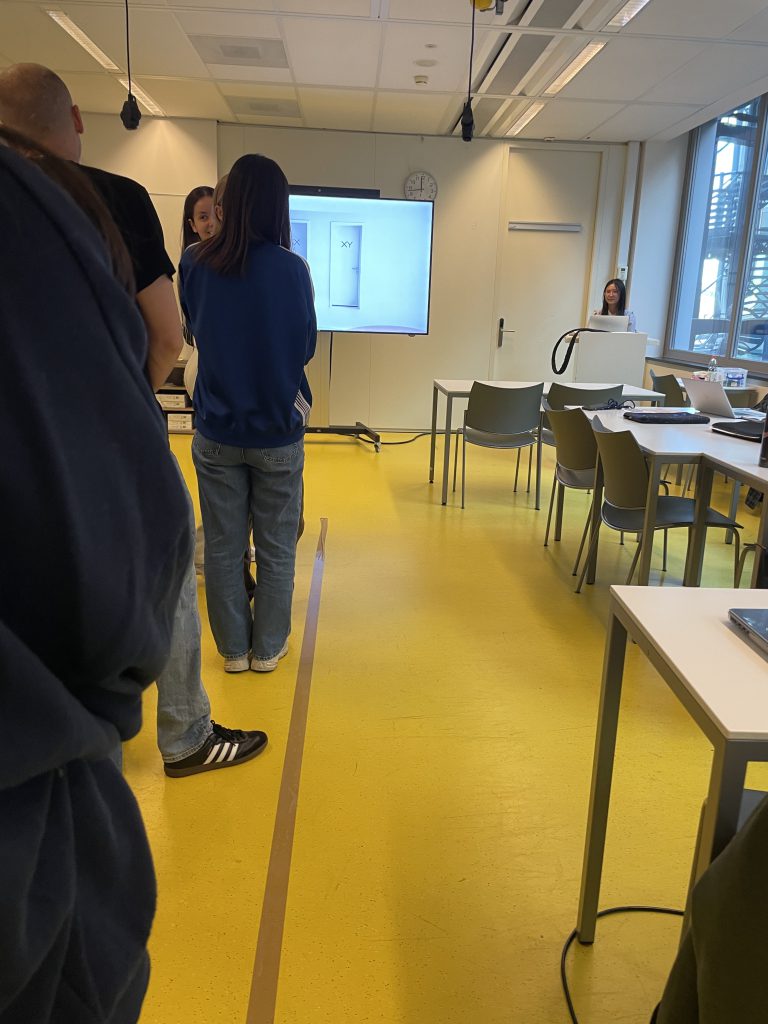
Zoe’s flipped classroom focused on the use of symbols and signs in public spaces. She explained why symbols are often preferred over text, as they can be understood more quickly and by people from different countries and language backgrounds.
We then participated in an interactive activity where we analysed different restroom signs from around the world. Some signs were clear, while others relied too heavily on colour. Zoe demonstrated how people with colour blindness perceive these signs, highlighting the importance of using visual cues beyond colour alone. To finish the session, we designed our own restroom signs and tested them with other students.
Reflection
This session helped me understand the importance of designing signs that are clear and accessible for everyone. It showed how relying too much on colour or text can create problems for some users. I will keep these principles in mind when designing future user experiences and visual communication.
Reflection
The flipped classrooms exposed me to a wide variety of topics that all connected to urban interaction design in different ways. Although some subjects were closer to my interests than others, each session provided a new perspective on how people interact with products, services, technology, and public spaces.
Several flipped classrooms stood out to me because they challenged the way I normally think about design. The sessions on accessibility, safety, and nudging showed me how important it is to consider the needs and experiences of different users. They reminded me that good design is not only about creating something functional or visually appealing, but also about making it accessible, inclusive, and comfortable for as many people as possible.
I also learned practical skills that I can apply in future projects. The sessions on prototyping, storyboarding, and interviewing provided useful methods for developing and testing ideas. These techniques will help me better understand users and communicate design concepts during future projects.
Looking back, the flipped classrooms gave me a broader understanding of the design process and the many factors that influence user experiences. They encouraged me to think more critically about my own work and helped me develop skills and insights that I can apply throughout my studies and future career.
Learning Outcome
1.4 The student demonstrates the value of the design from the perspective of the different stakeholders.
Many of the workshops focused on how different groups experience products, services, and public spaces. Through discussions, exercises, and examples, I learned to look beyond my own perspective and consider the needs of different stakeholders. This helped me better understand how design decisions can affect users, residents, visitors, and other people involved.
2.1 The student acquires knowledge from other disciplines and masters methods to develop new work.
During the flipped classroom, I attended workshops on a variety of topics outside my own field of expertise. These sessions introduced me to new perspectives, methods, and ways of thinking about design. Learning about subjects such as accessibility, behavioural design, urban safety, and artificial intelligence broadened my understanding of Urban Interaction Design and provided tools that I can apply in future projects.