Week 20/04 – 23/04
Concept Exploration
This week focused on forming teams and exploring possible directions for the final project. My group consisted of Angela, Linh, Zoe, and myself.
We started by brainstorming different concepts related to relaxation, movement, and sound. One of the most promising ideas came from Linh: creating a space where people could relax by listening to sounds while being surrounded by visual projections of natural environments such as forests or beaches. The original concept involved an indoor room with screens, speakers, and beanbags to create an immersive experience.
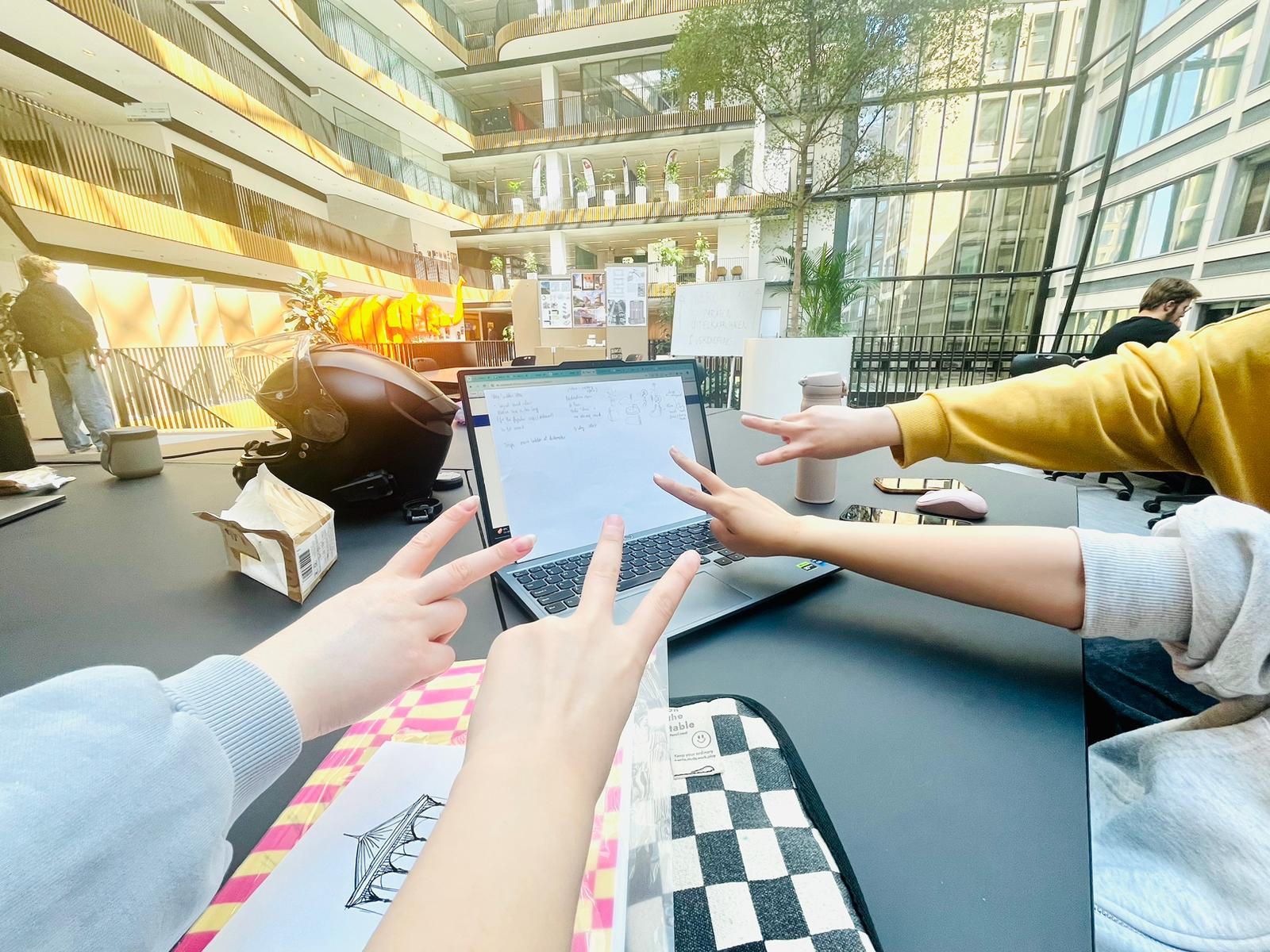
After discussing multiple concepts, we selected this idea as the foundation for our final project because it combined sensory experiences with social interaction and relaxation.
Week 04/05 – 07/05
Refinement
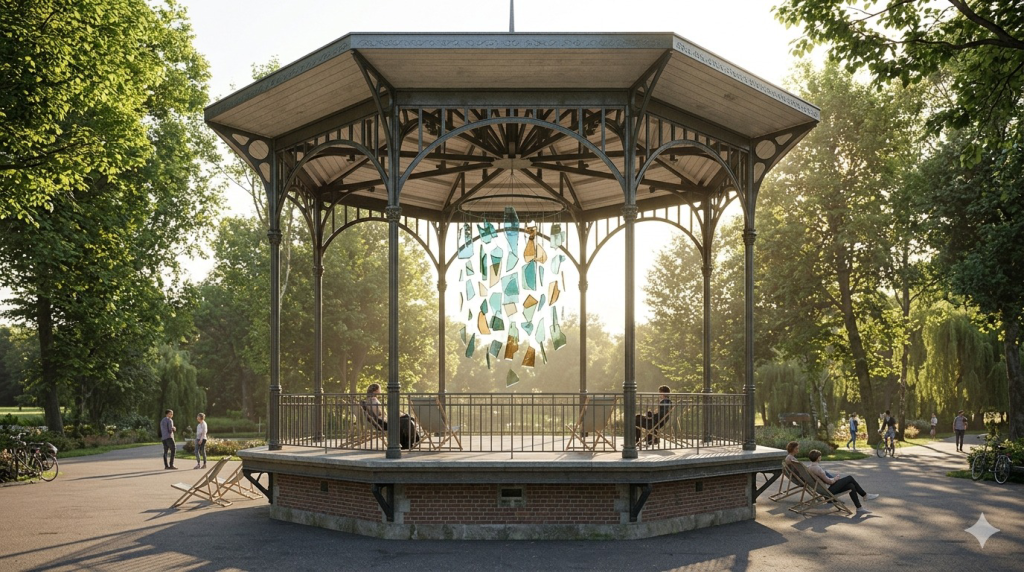
This week we focused on refining the concept. Through discussions within the group and feedback from teachers and Lars, we realised that the original indoor installation would be difficult to realise within the available time and resources.
We therefore simplified the concept and moved it to an outdoor setting. We selected the pavilion in Oosterpark as our location. At the same time, we shifted our focus from an individual relaxation experience towards a shared experience. The goal became creating a place where people could listen to sounds or music together while observing the environment around them.
This helped us create a concept that was more realistic while still maintaining the original intention of encouraging people to slow down and connect with their surroundings.
Week 11/05 – 13/05
Field Research
After selecting Oosterpark as our location, we conducted field research to better understand the site and its users.
Visiting the pavilion gave us a much clearer picture of the scale of the location. We discovered that the pavilion was significantly larger than we had imagined. Because it functions as a performance stage, people naturally appeared small within the space. This led us to question whether visitors would feel comfortable simply sitting there and listening to sounds.
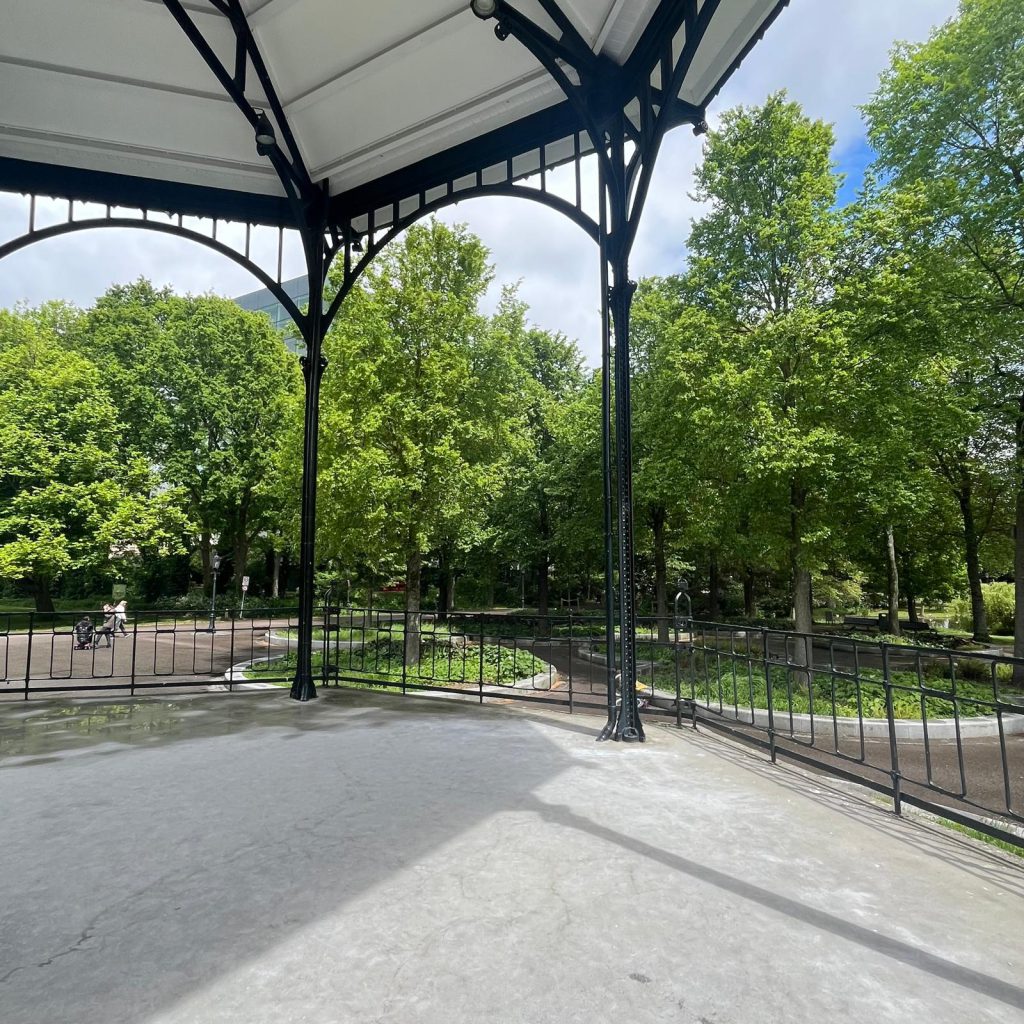
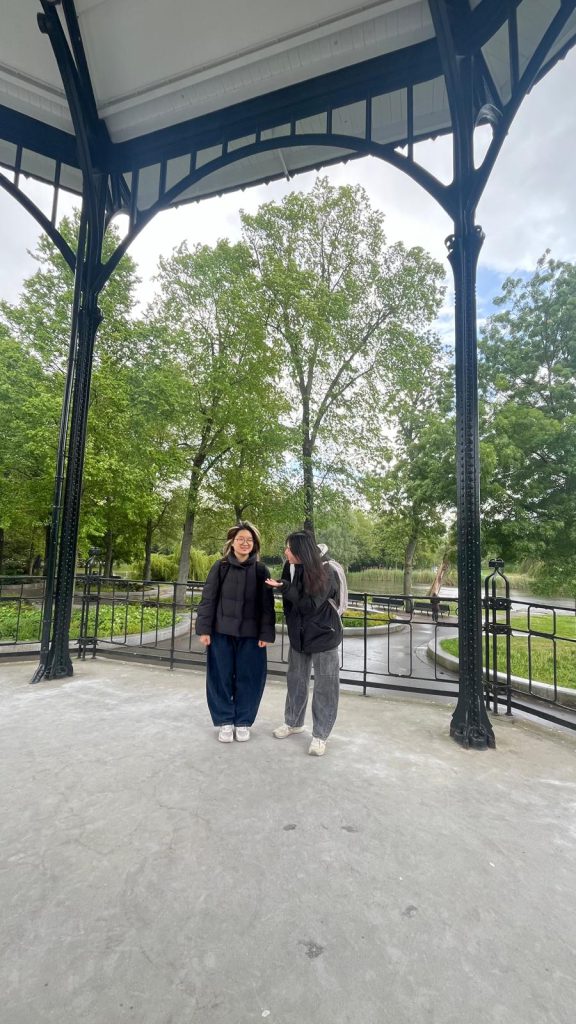
This research highlighted the importance of experiencing a location firsthand rather than relying solely on assumptions. It also showed us that context strongly influences how people interact with a space.
Week 18/05 – 21/05
Reframing
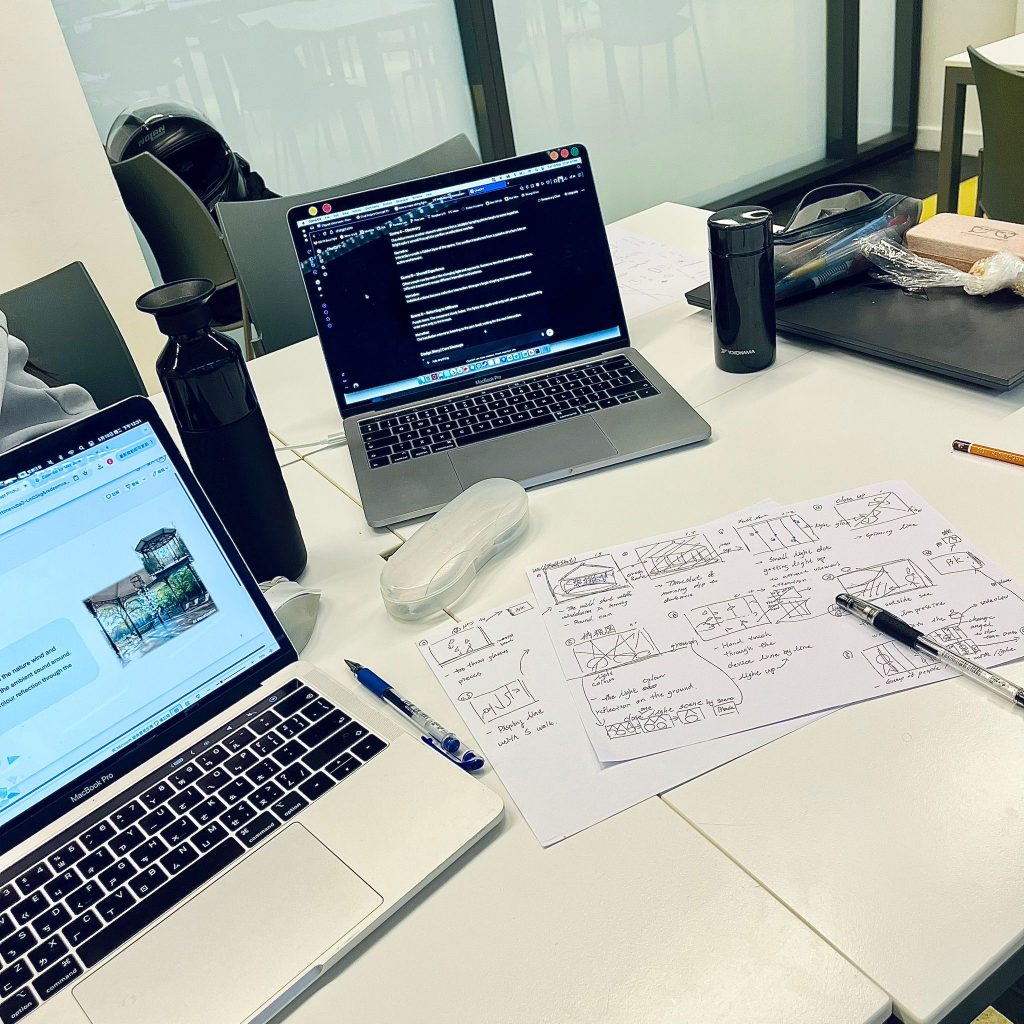
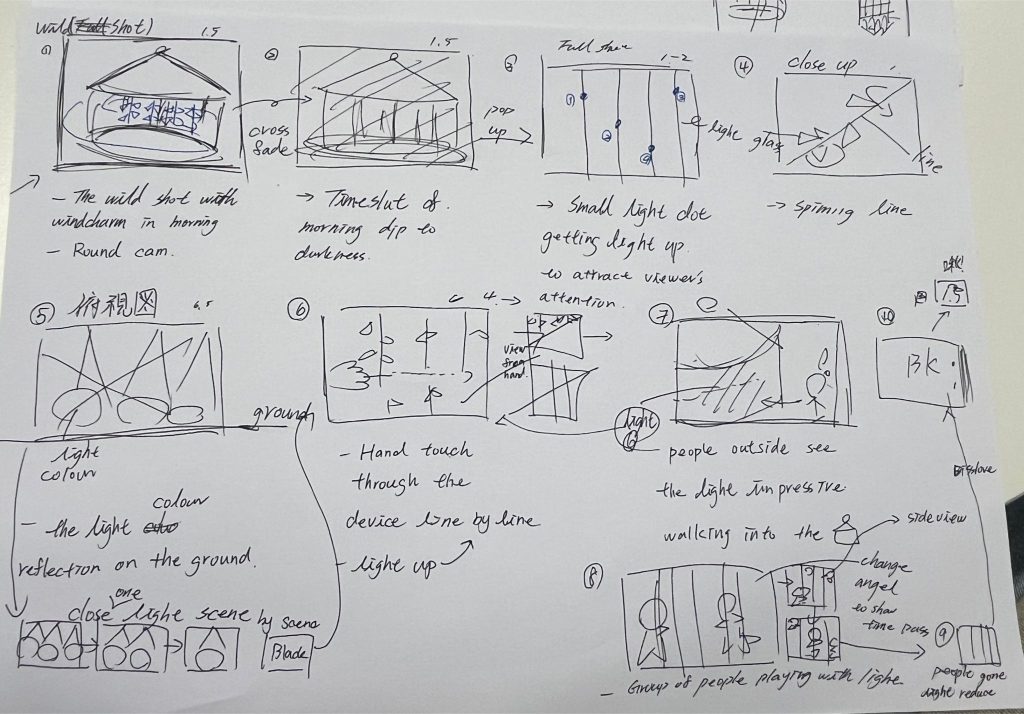
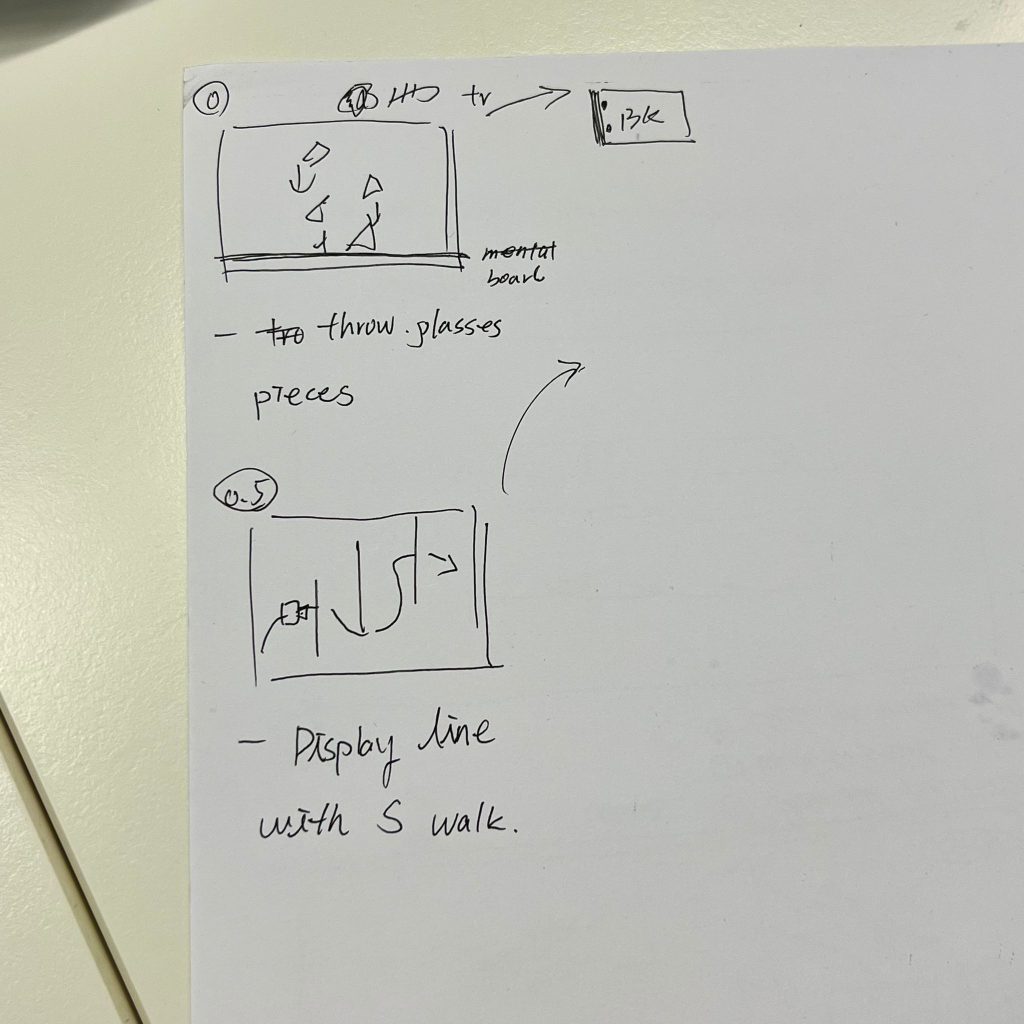
After presenting our concept, we received extensive feedback from Lars and the teachers. Although the relaxation concept had potential, it lacked a strong interaction element.
As a result, we returned to the drawing board and developed a new concept centred around interactive wind chimes. The idea was that visitors could interact with the chimes, causing both sound and light to respond. We wanted the lighting to subtly react to movement, with gentle interaction producing a small light response and stronger interaction creating a brighter response.
This concept better aligned with the themes of Urban Interaction Design because it encouraged active participation while still promoting mindfulness and awareness of the environment.
During this week, we also finalised both our visual storyboard and a detailed filming storyboard. Creating a separate filming plan ensured that every scene and interaction was clearly documented before production began.
Week 26/06 – 28/06
Prototyping
Following another feedback session, we were advised to move quickly into production.
We therefore focused on creating both the physical wind chimes and the maquette. By Thursday, the maquette and wind chime structure were completed. The lighting system took longer than expected because the components had to be ordered online and arrived later than planned.
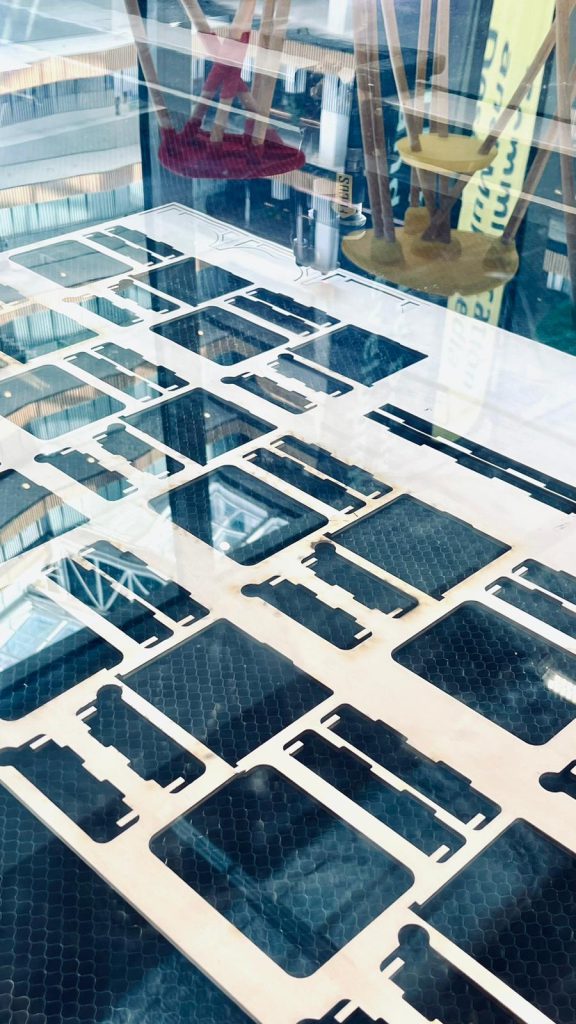
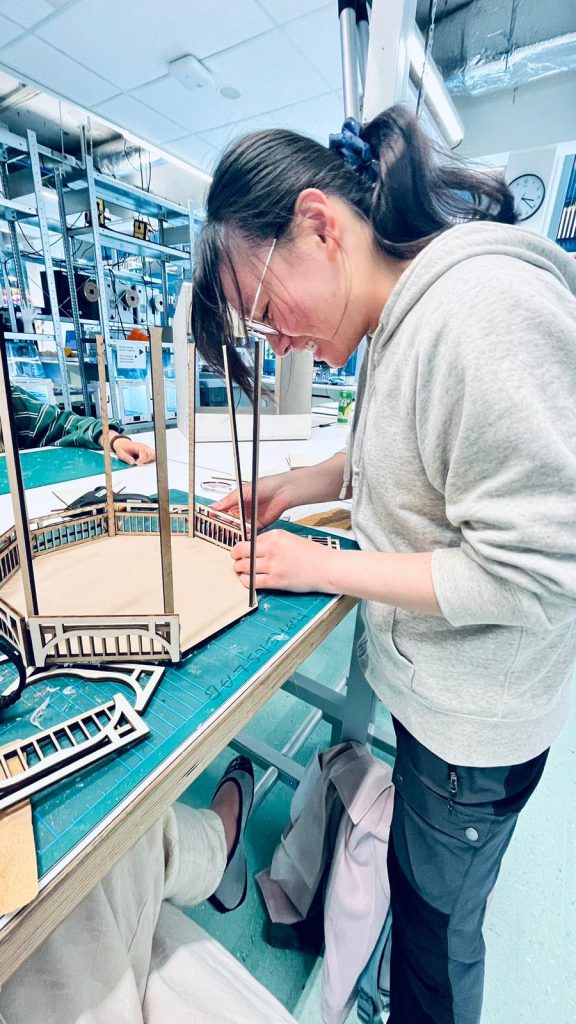
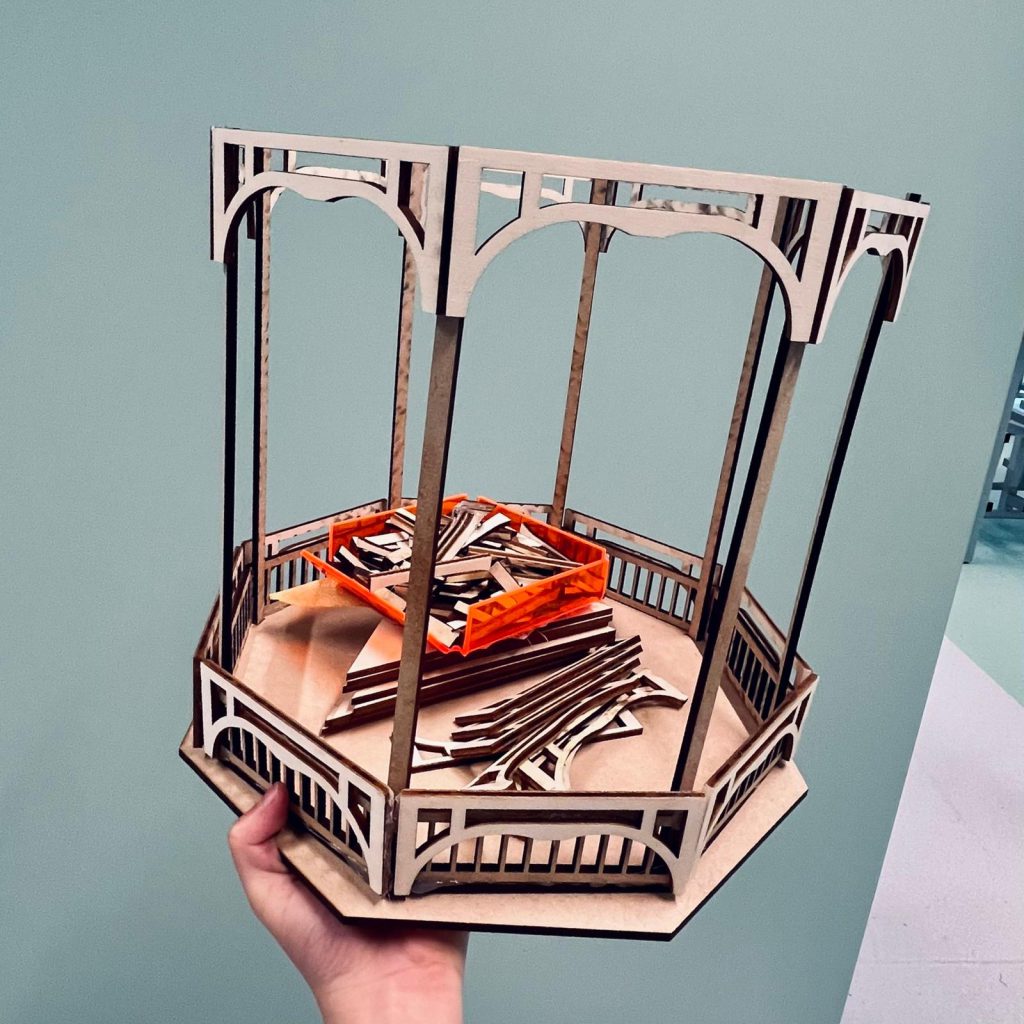
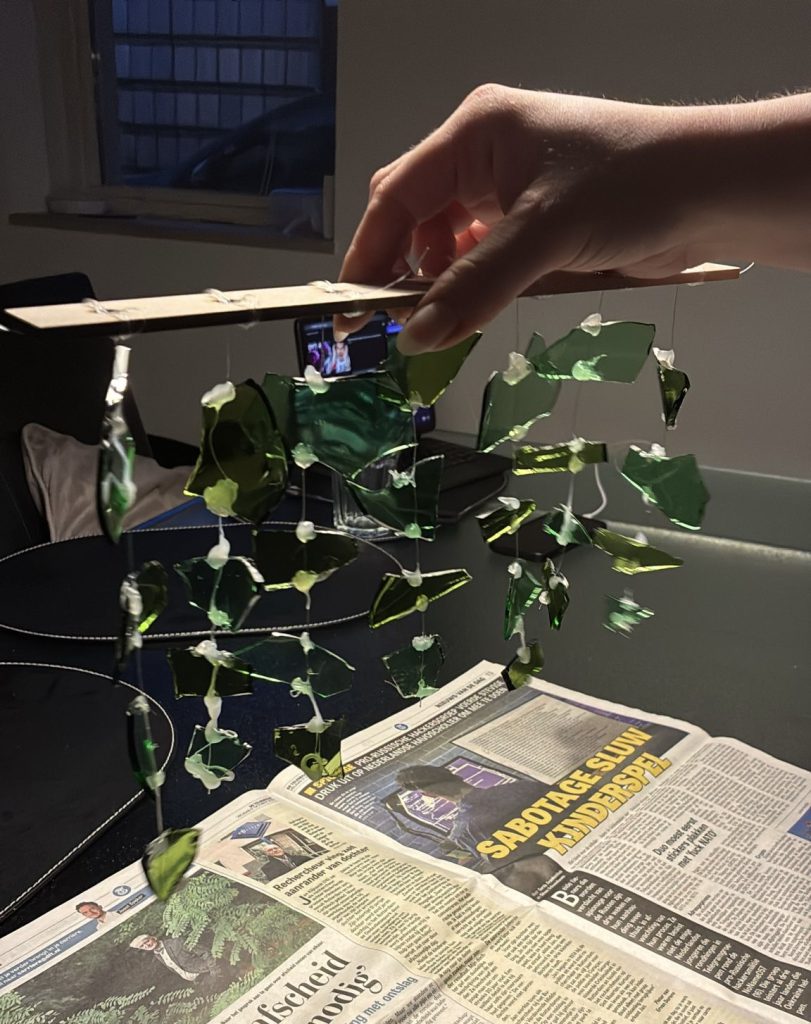
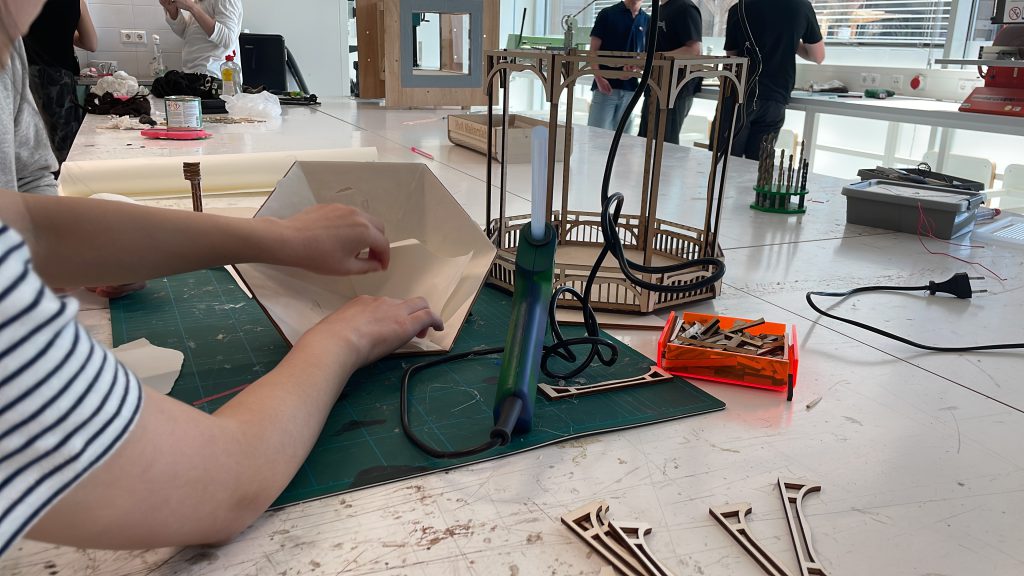
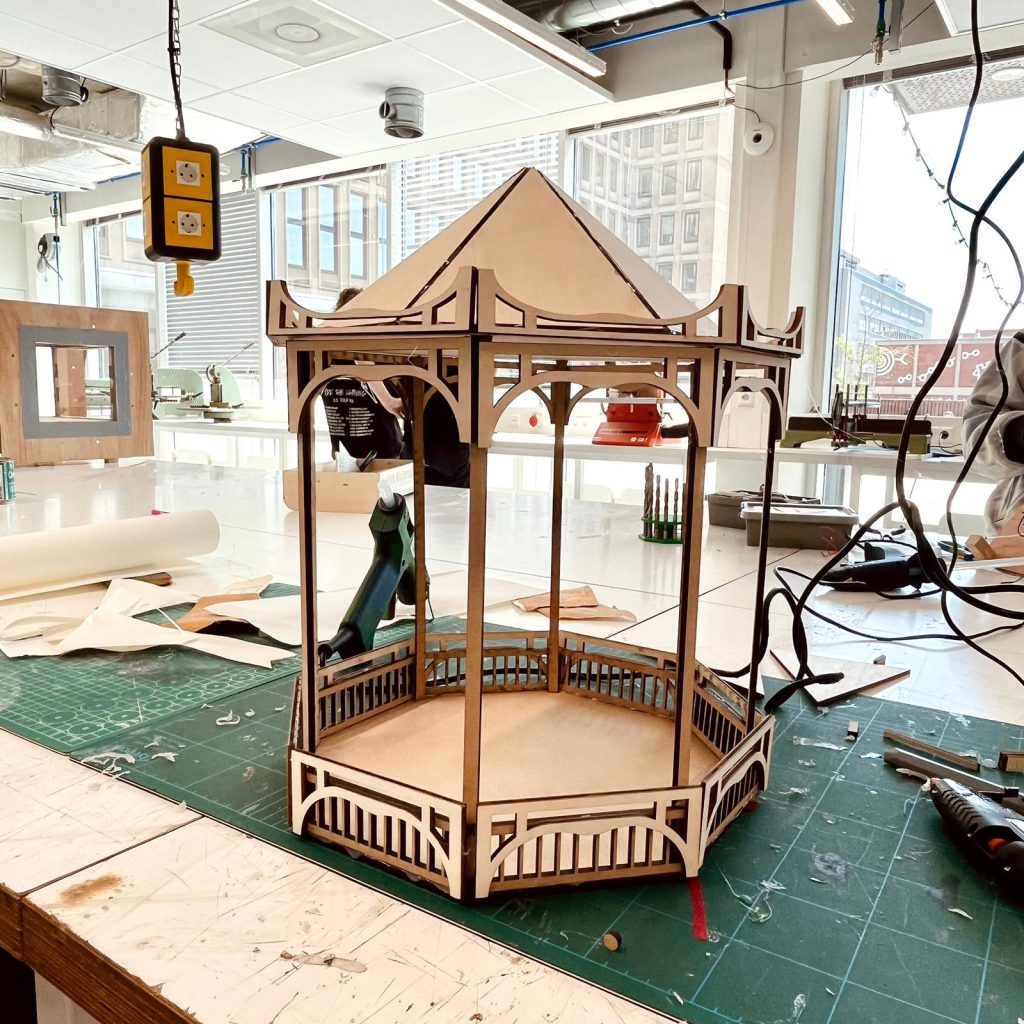
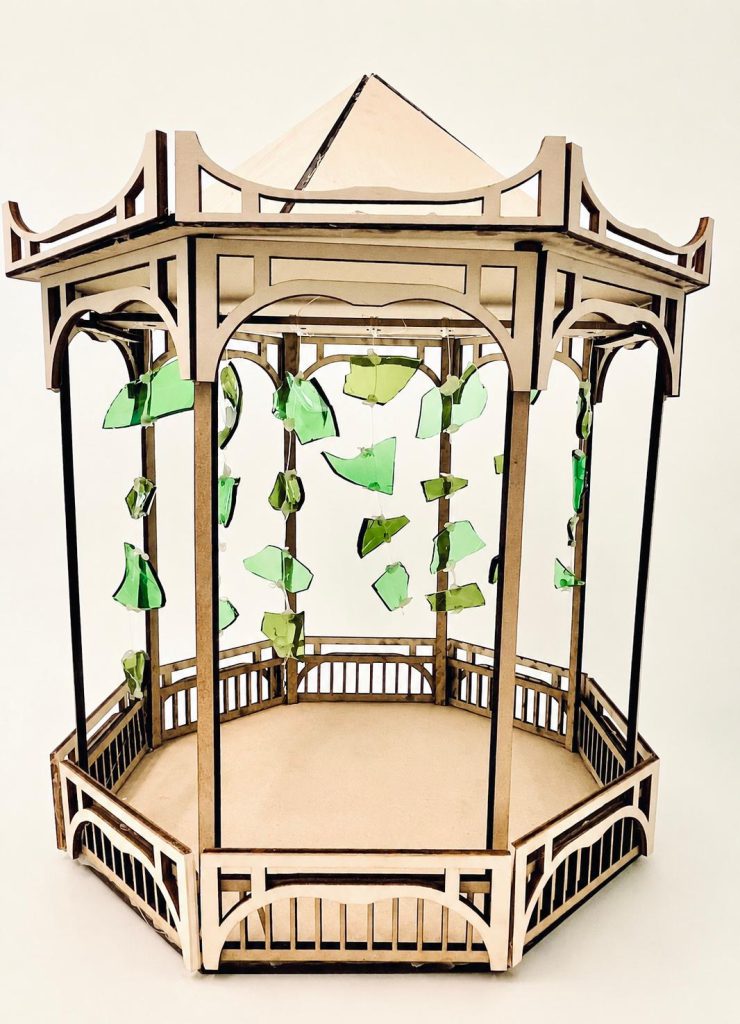
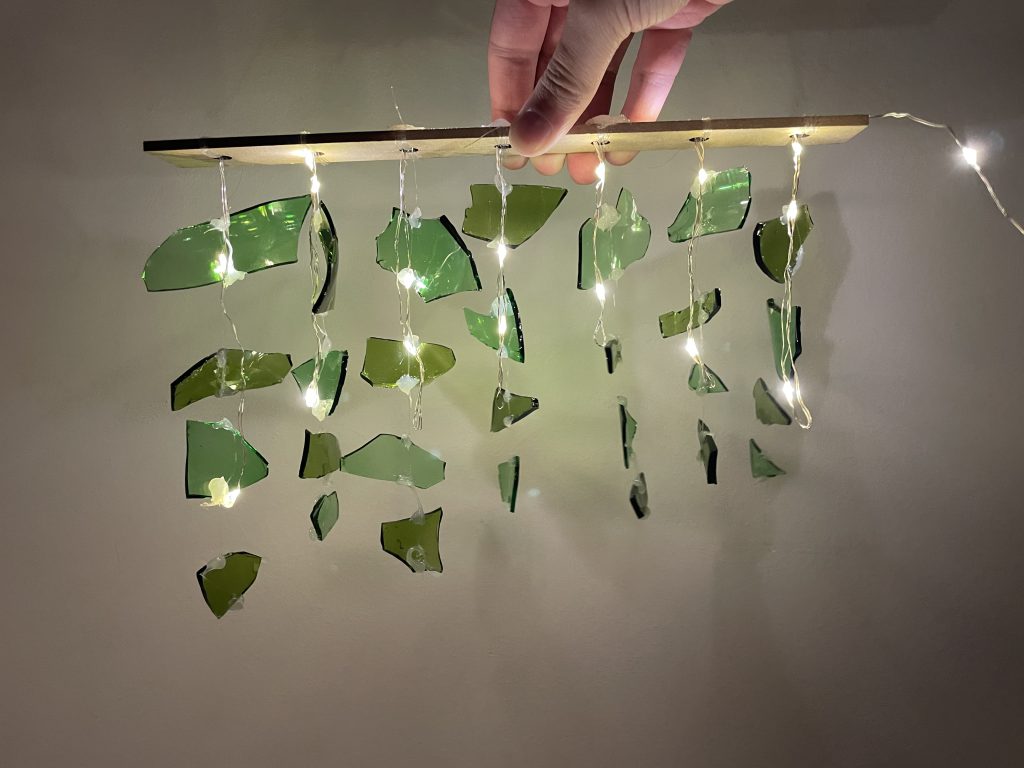
Although the physical prototype was completed successfully, this week demonstrated how dependent projects can be on external factors such as material deliveries. In future projects, ordering components earlier would help reduce this risk.
Week 01/06 – 04/06
Production
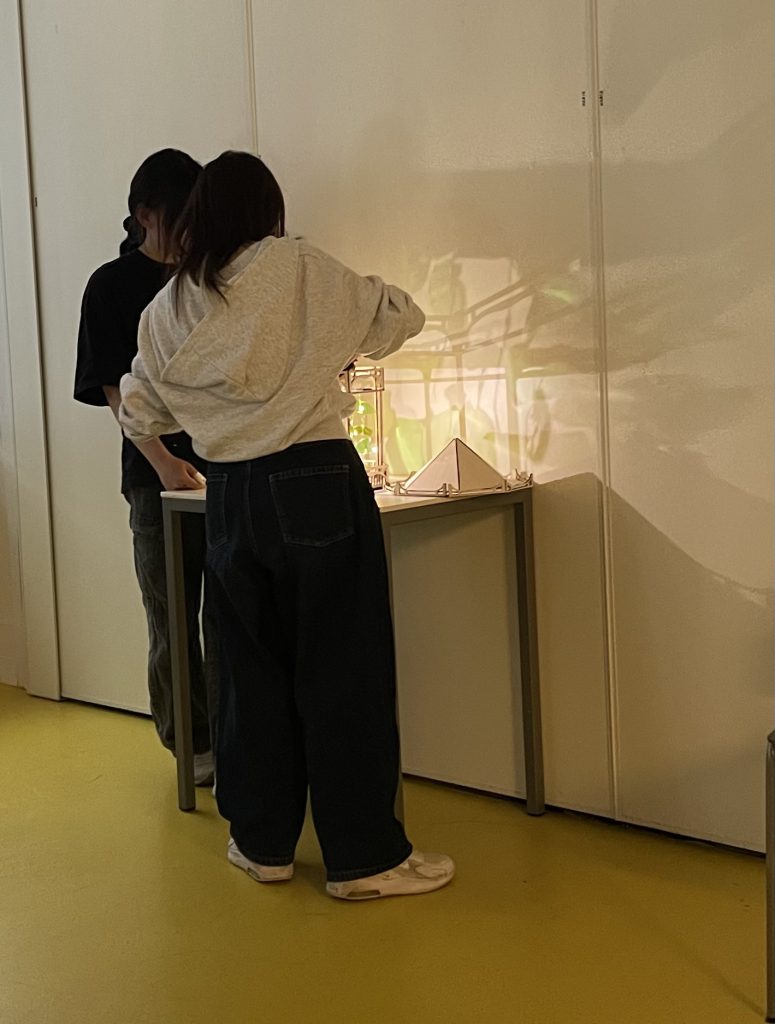
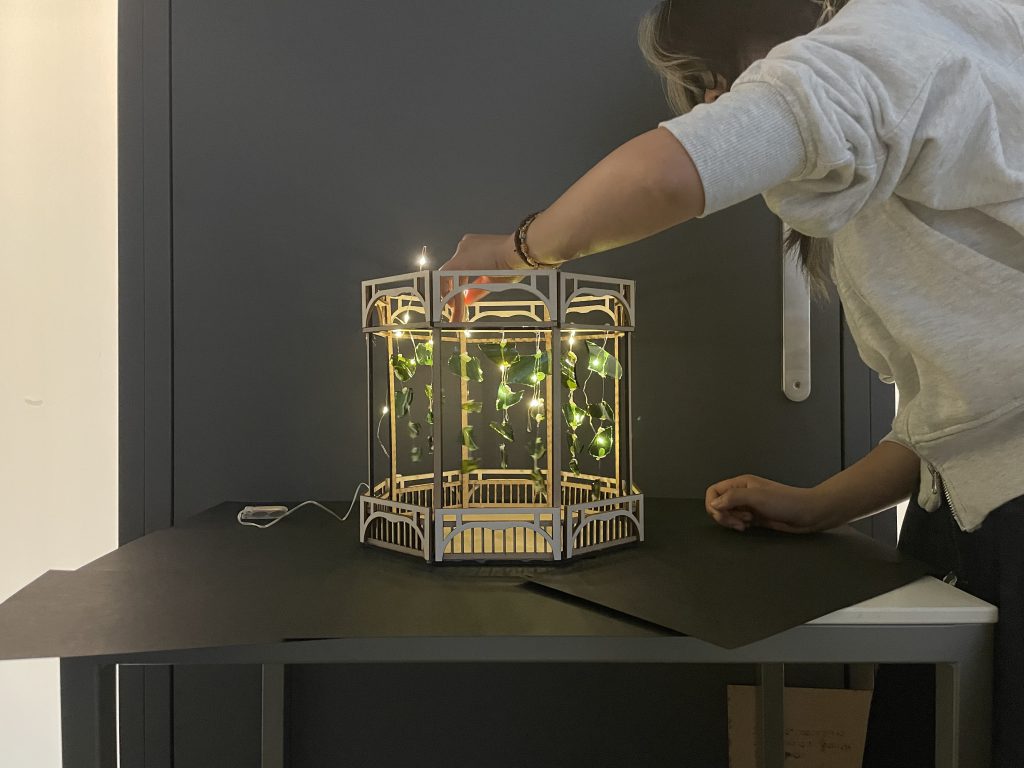
On Monday, we completed all required filming and started editing the footage on Tuesday.
During filming, we encountered a significant problem. The LED strip we had purchased functioned as a single light source, meaning we could not make individual wind chimes light up separately. This made it impossible to properly demonstrate one of the key interactions in our concept.
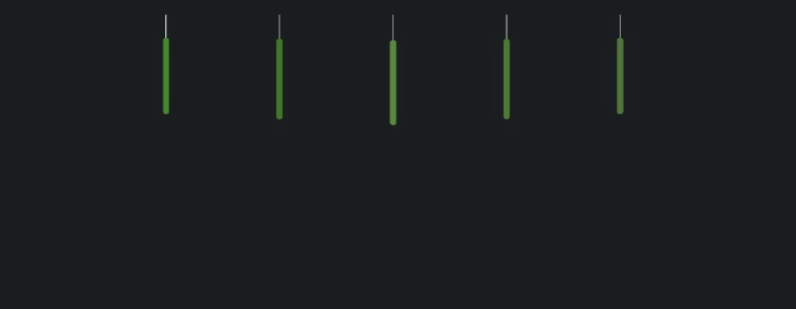
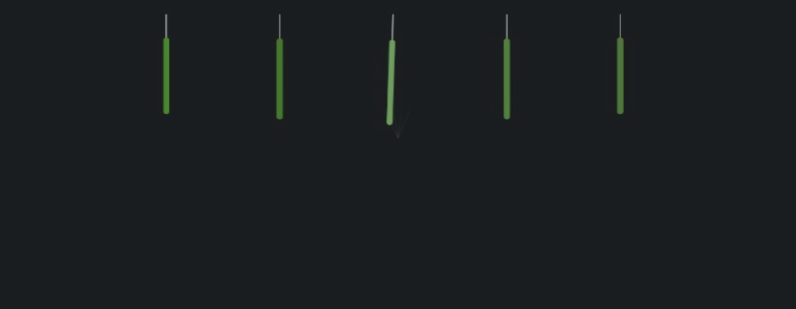
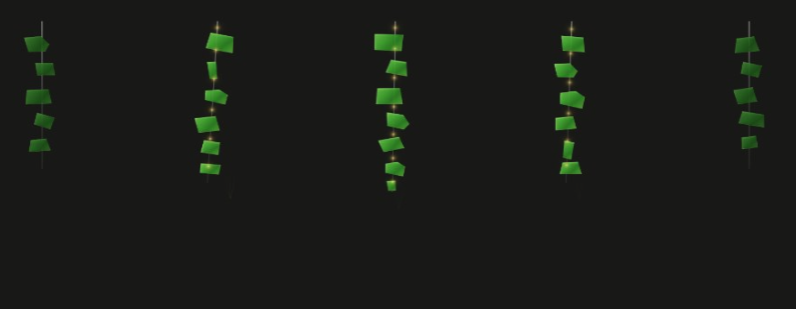
Rather than changing the concept again, I proposed creating a small interactive webpage that would visually demonstrate how the wind chimes were intended to function. After discussing this solution with the team, everyone agreed it would strengthen the final presentation.
I then started developing the webpage independently. The goal was to simulate the interaction we originally wanted to achieve: individual chimes lighting up and reflecting light when touched. Although I was able to create a convincing visual representation, I did not have enough time to implement one feature we originally envisioned: having the light intensity gradually increase depending on the amount of movement.
Week 08/06 – 11/06
Finalisation
This week focused on completing and preparing all final deliverables.
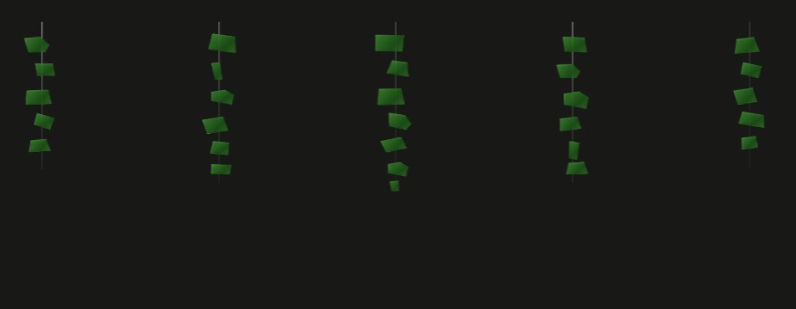
Angela worked on creating a circuit board representation together with an explanatory video. Meanwhile, I continued improving the webpage. On Monday, I completed the visual aspects, and on Tuesday I added the sound interactions to better simulate the intended user experience.
On Wednesday, we realised that we were missing a clear overview of our process and production methods. To address this, we created a poster explaining the development process, construction methods, and technical components. Everyone contributed to writing summaries and preparing the final presentation materials.
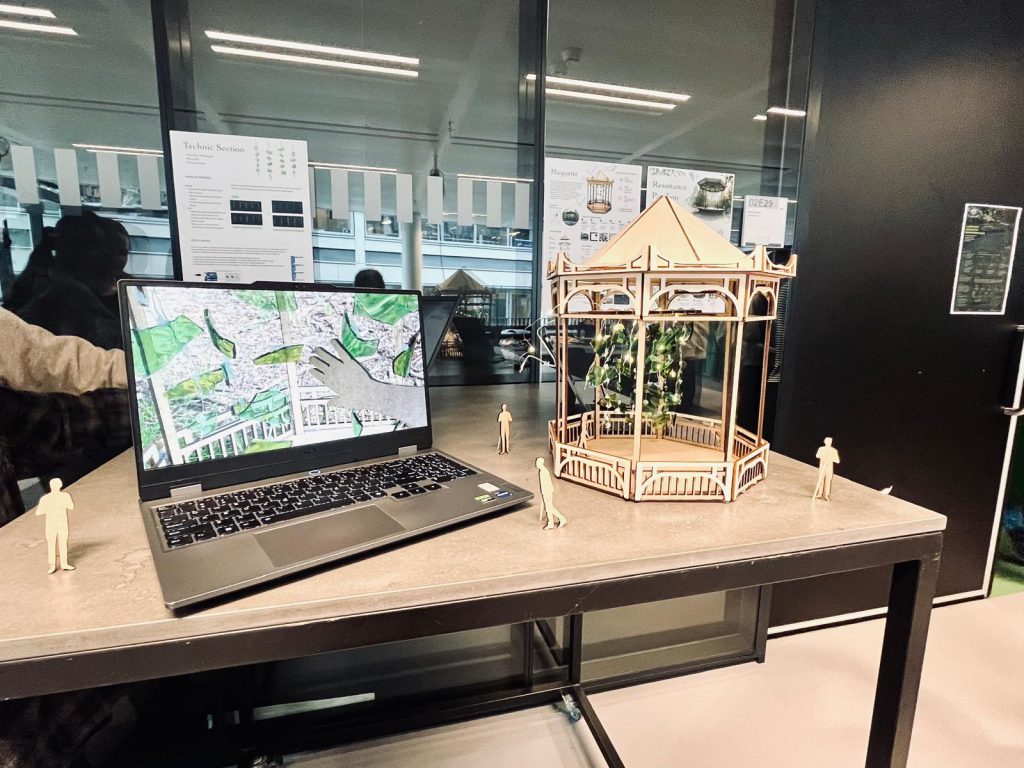
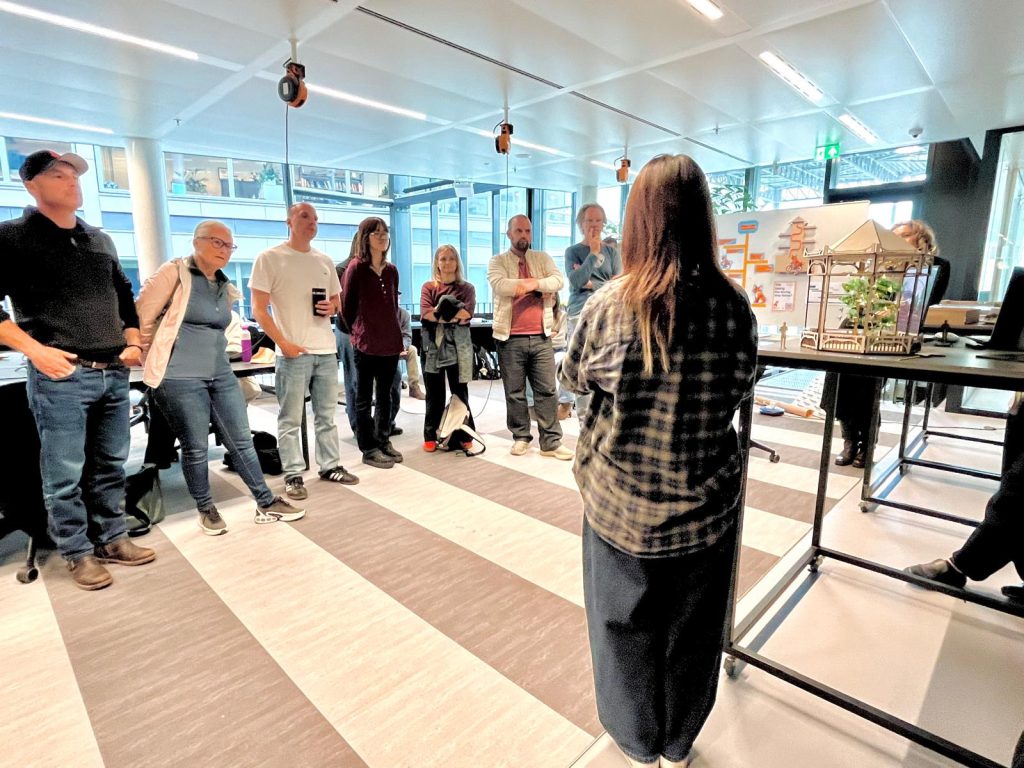
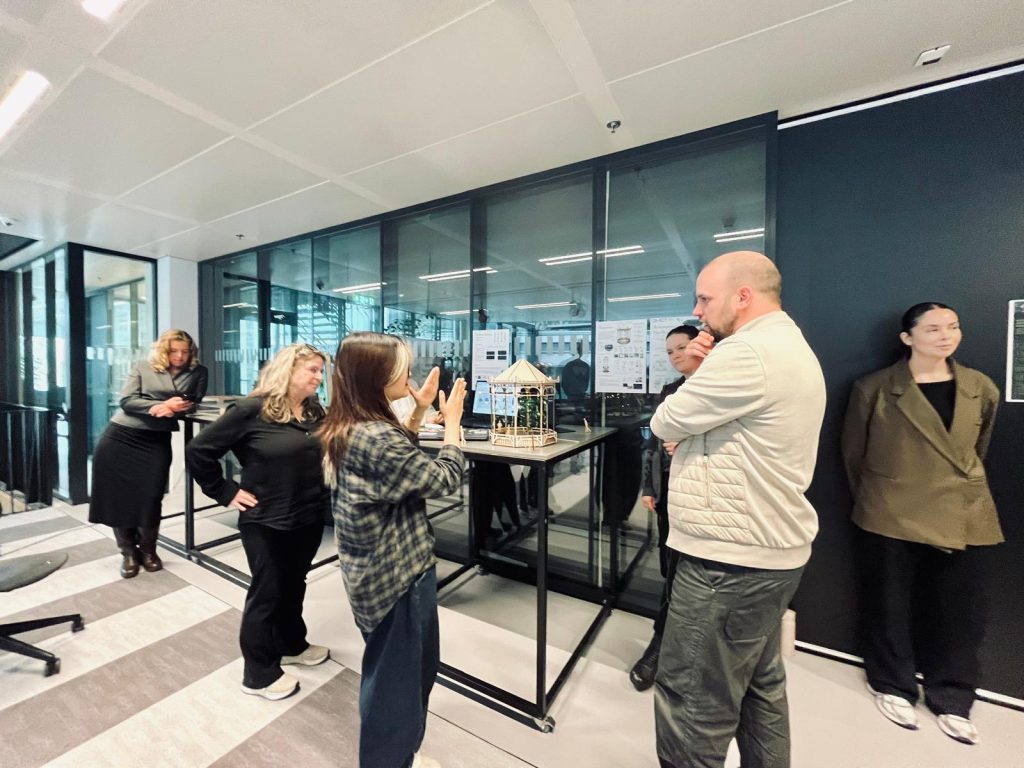
On Thursday, we presented our project during the final exhibition. The final presentation included:
- The concept video
- The interactive webpage
- The physical wind chime prototype
- The maquette
- A micro simulation
- A circuit board visualisation
- Process and development posters
Together, these elements communicated both the concept and the design process behind the project.
Reflection
Looking back, the biggest challenge of this project was the concept development phase. We spent a significant amount of time discussing ideas, changing directions, and refining concepts before settling on the wind chime installation. Although these discussions helped improve the final concept, they also reduced the amount of time available for prototyping and technical development.
One consequence of this was that some aspects of the project were realised through multiple separate components rather than one fully integrated prototype. The final result consisted of a video, a physical model, a webpage, posters, and technical visualisations. While these elements together communicated the concept effectively, I believe the project would have been stronger if we had been able to develop a more complete working prototype.
Another challenge was discovering technical limitations late in the process. During filming, we realised that the lighting system could not function in the way we originally intended. This forced us to quickly find an alternative solution. The webpage solved this problem, but ideally this issue would have been discovered earlier through more extensive prototyping.
From a teamwork perspective, the project went well. Communication remained strong throughout the process, even when group members were absent. Tasks were divided clearly and everyone contributed to different aspects of the final result.
If I were to do this project again, I would focus on making decisions earlier, testing technical components sooner, and building prototypes earlier in the process. This would leave more time for refinement and increase the likelihood of creating a fully integrated final product rather than several separate representations of the concept.
Learning Outcome
1.1 The student applies knowledge and design methods from various disciplines to create sustainable urban experiences in which the physical and digital are intertwined.
This project combined physical interaction, sound design, lighting, digital visualisation, and urban research into a single concept. By integrating physical wind chimes with digital feedback and an interactive webpage, I explored how technology can enhance experiences in public spaces.


1.3 The student tests and iterates the design using various prototypes in an urban context.
Throughout the project, the concept changed multiple times based on feedback, field research, and technical limitations. Each iteration helped us better understand what was feasible and how users might interact with the installation.
1.4 The student demonstrates the value of the design from the perspective of the different stakeholders.
The project aimed to create a calming and interactive experience for visitors of Oosterpark. Through feedback sessions and presentation, I learned how to evaluate the concept from the perspective of users, teachers, and design professionals.

2.2 The student shares relevant knowledge and skills from their own discipline to help others develop new ways of working and thinking.
Drawing from my Game Development background, I proposed and developed the interactive webpage that visualised the intended behaviour of the wind chimes. This solution helped communicate the interaction more clearly and allowed the group to present an aspect of the concept that could not be fully demonstrated with the physical prototype.
2.5 The student demonstrates critical ability regarding their own contribution to the group work.
I reflected critically on my role within the project, particularly regarding the webpage solution. While I successfully developed a visual simulation of the interaction, I also recognised that some technical challenges could have been identified earlier through more extensive testing.