Day 1
Sketching
The first day focused on drawing. We went outside to sketch buildings and streets in Amsterdam.
During this session, I learned a lot about perspective drawing, especially how to better represent depth, height, and spatial relationships between buildings and streets.
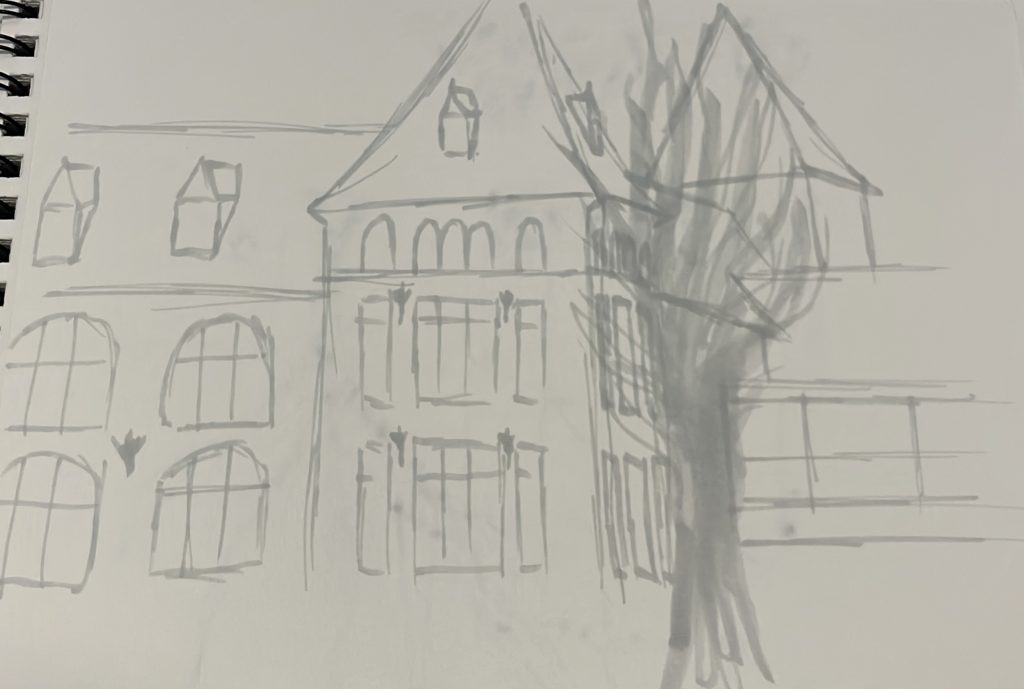
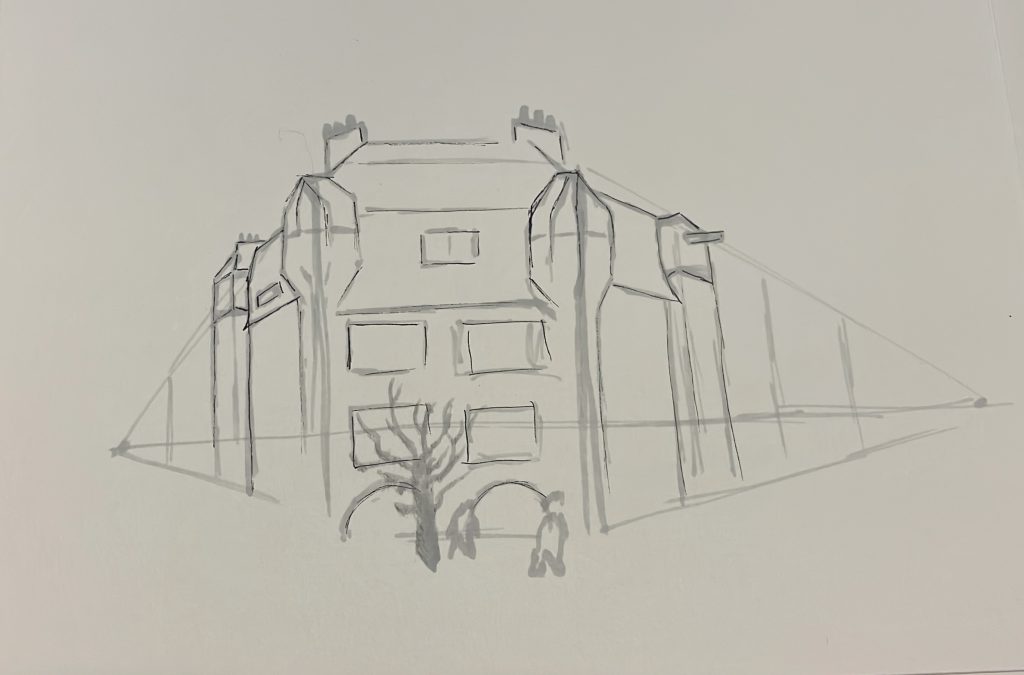
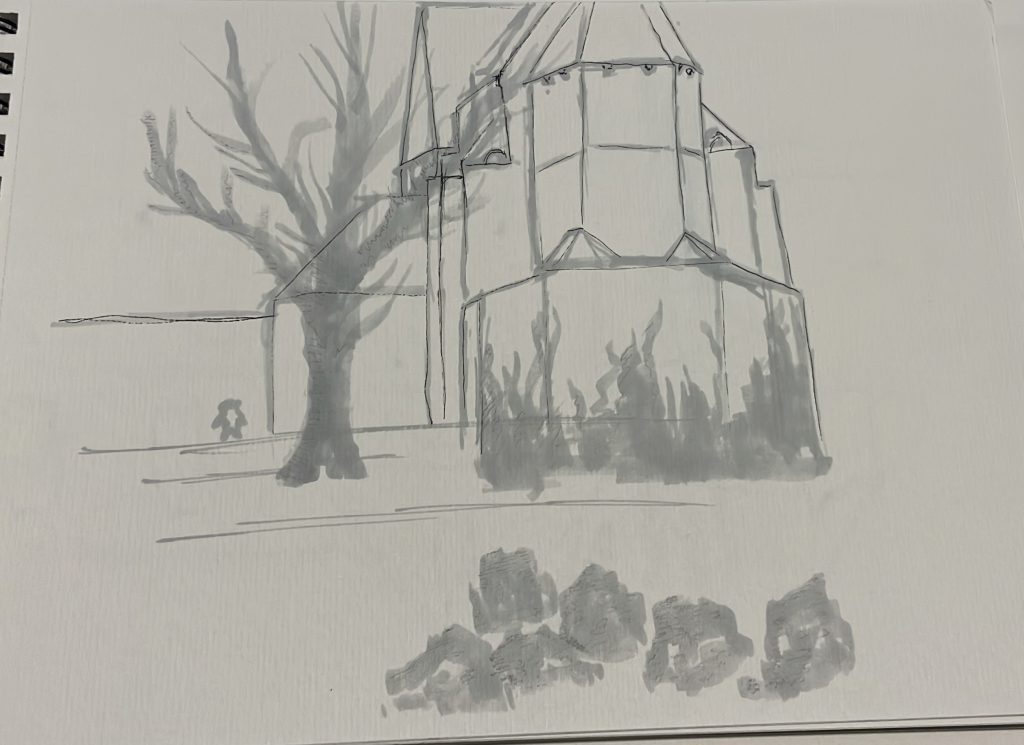
The exercise also made me pay closer attention to architectural details and the way streets guide movement and sightlines.
Day 2
Exploration
The second day started with a presentation by Lars, where we got to know more about him and the work of Scape Agency. It was interesting to learn how professional urban and spatial research is approached in practice.
After that, we were assigned duos. I was paired with Angela.
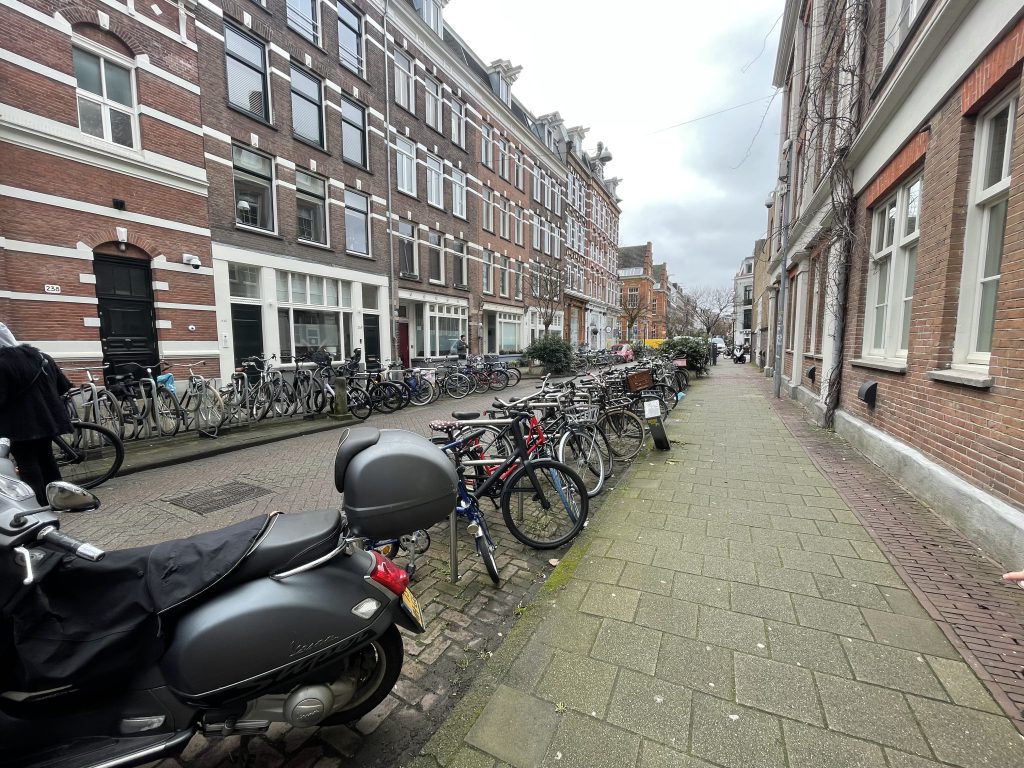
We then went outside to visit the two location provided by the teachers. We decided to walk there instead of taking faster transport so we could observe the city along the way and gather inspiration for selecting two additional locations ourselves.
While walking, we quickly found the two extra locations we wanted to use for the project.
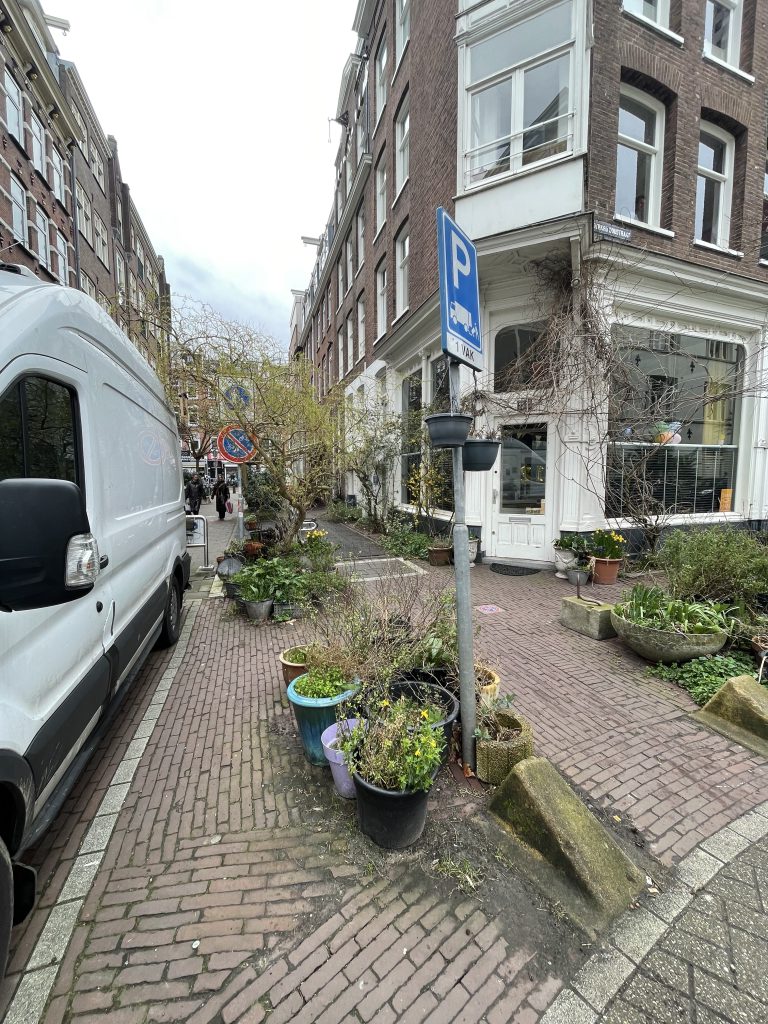
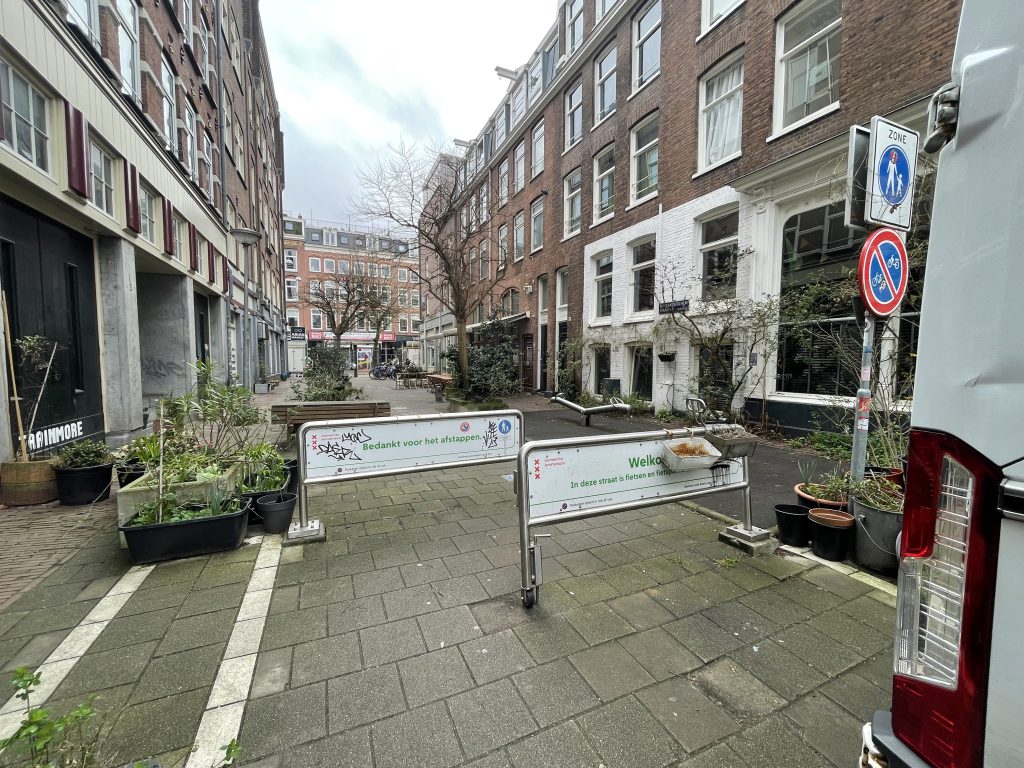
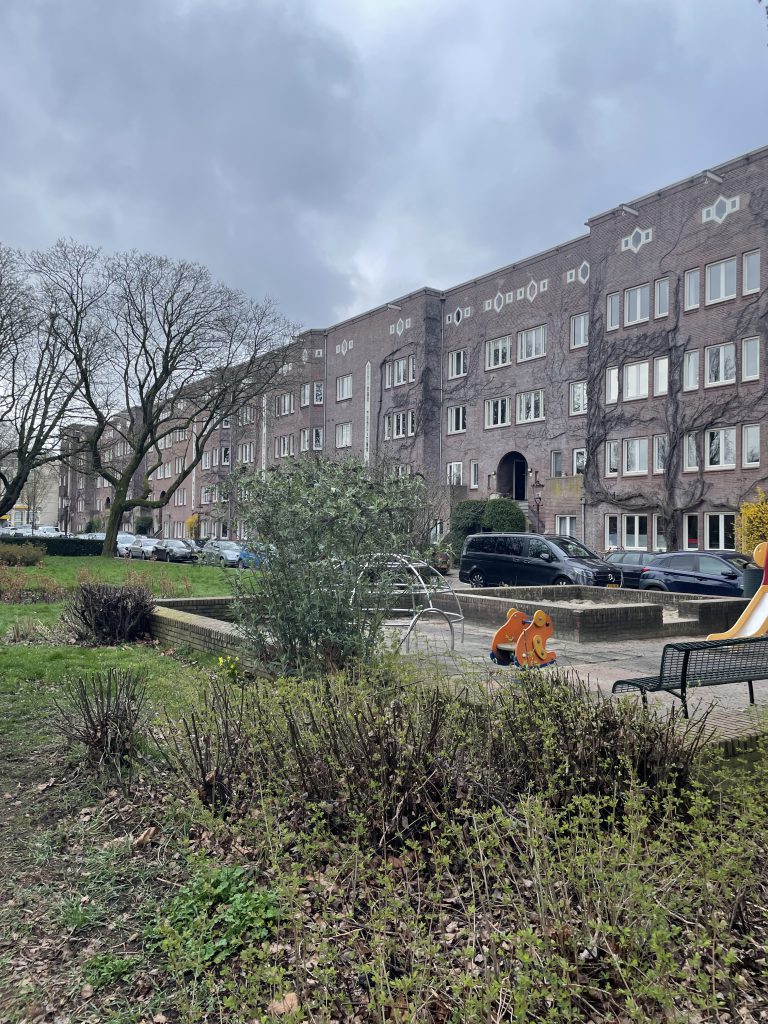
The first location was Gerard Doustraat, close to our school. This street stood out because of its small playground and the amount of greenery. Residents had placed many flowerpots throughout the street, which gave the space more color and personality.
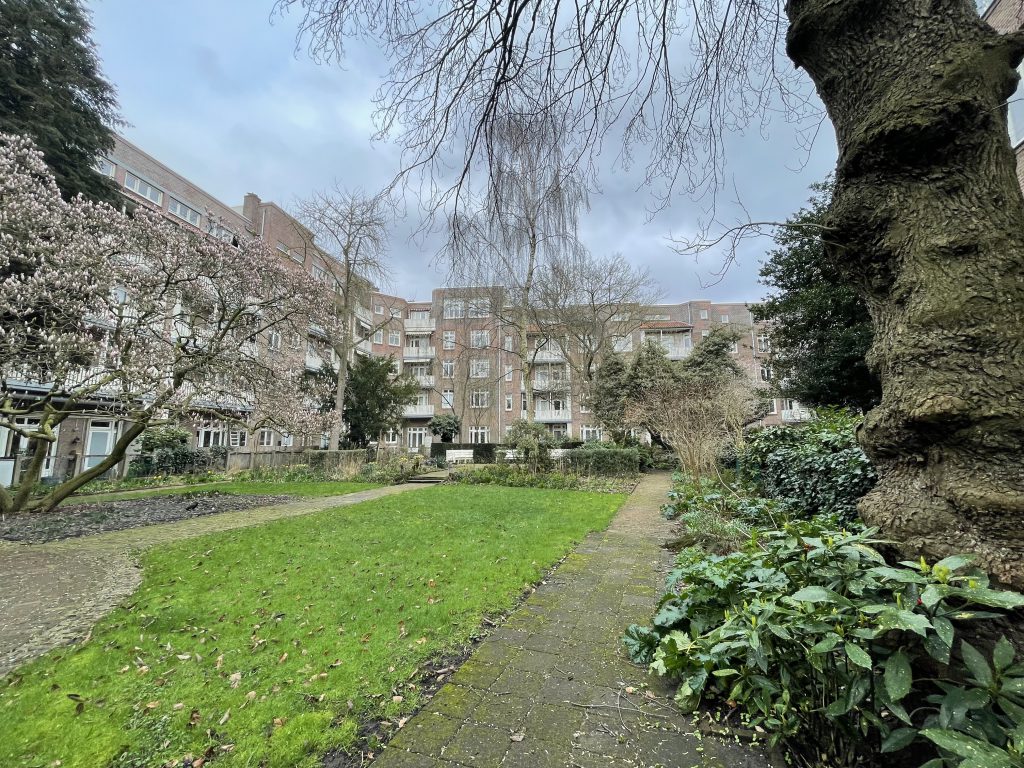
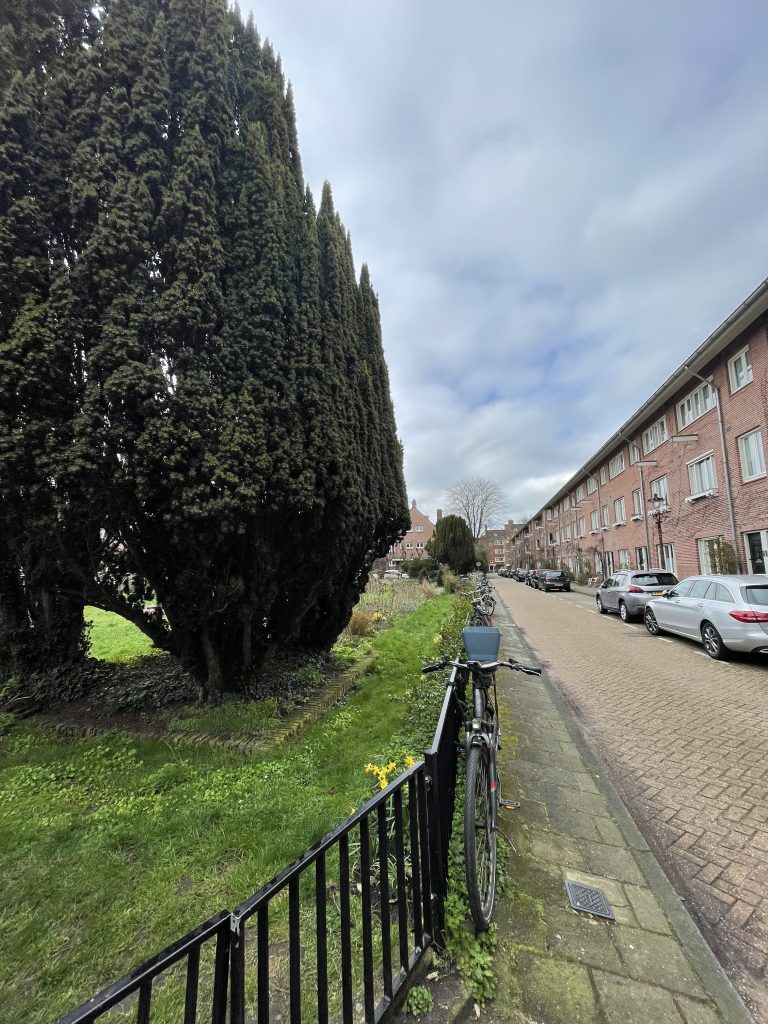
Our second location near Gerard Terborgstraat. What inspired us most were the residential buildings in that area. Plants climbed all the way up the façades, and in the middle of the housing block there was a small inner garden. This garden felt calm and quiet, making it a pleasant place to relax away from traffic and the busy city atmosphere.
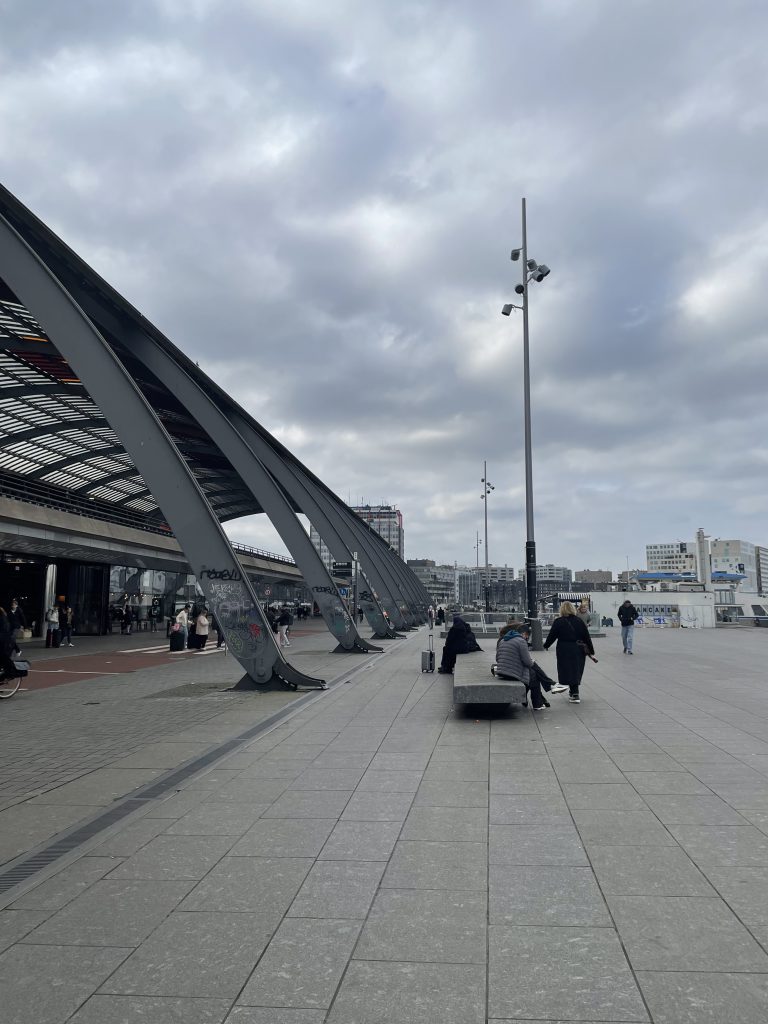
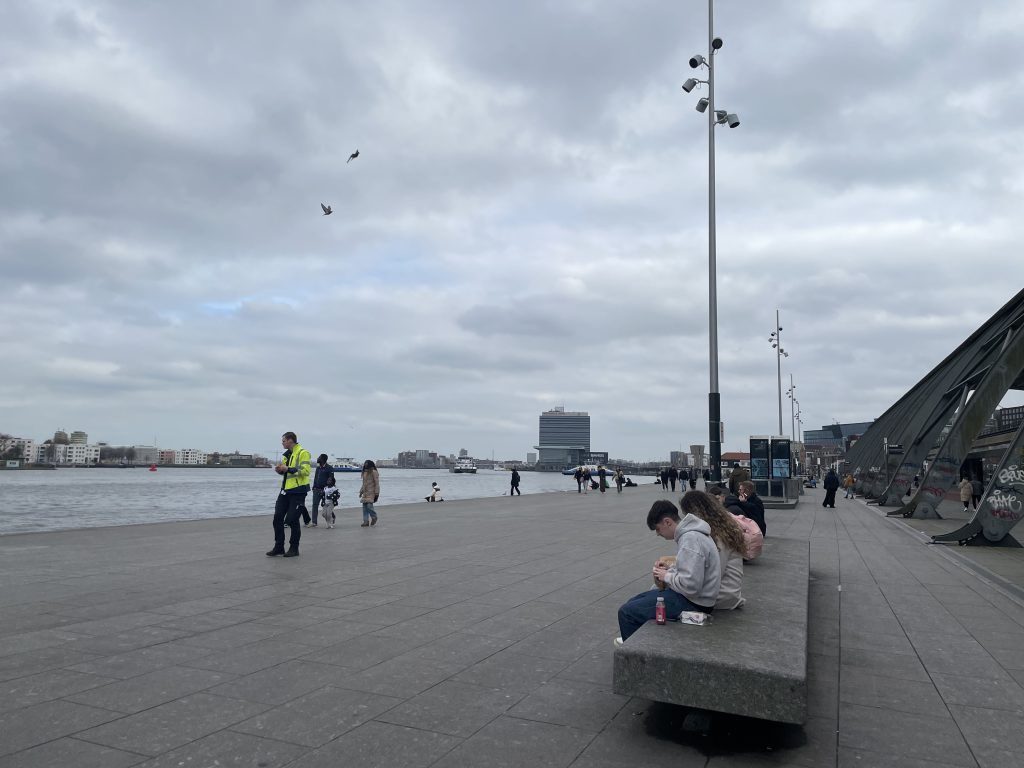
After picking both locations we continued walking to Amsterdam South. Once we were done walking through the city at Amsterdam South we went back to Amsterdam Central for the IJ Boulevard. At both locations we looked at the three layers the teacher gave us for the research.
Day 3
Analysis
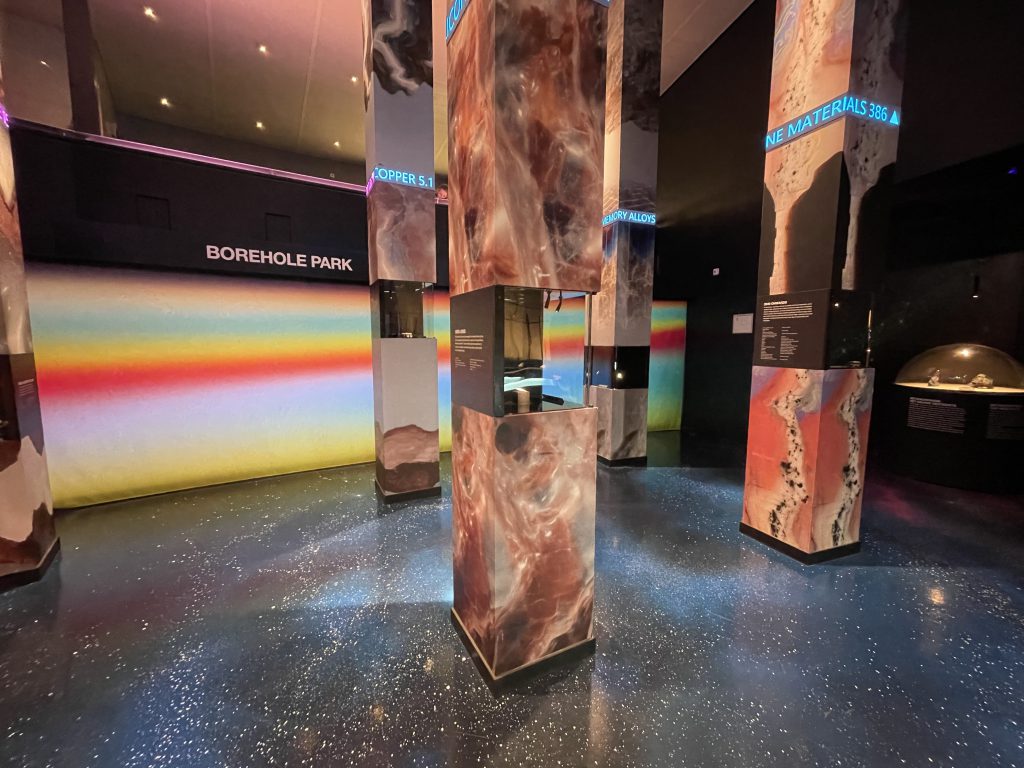
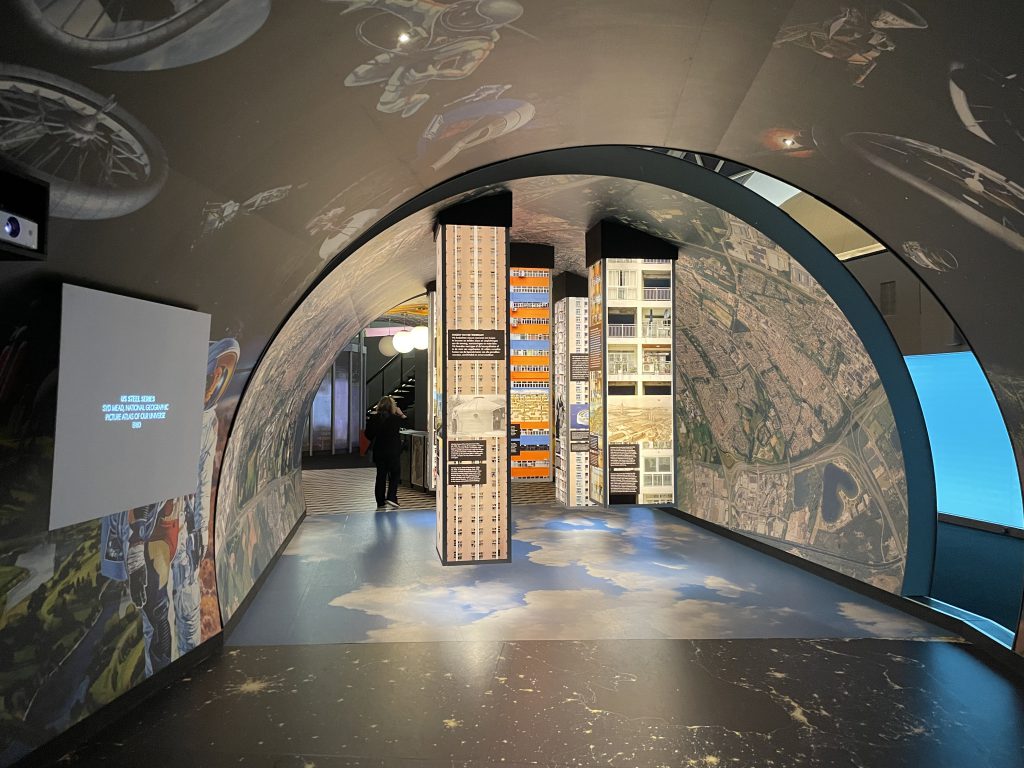
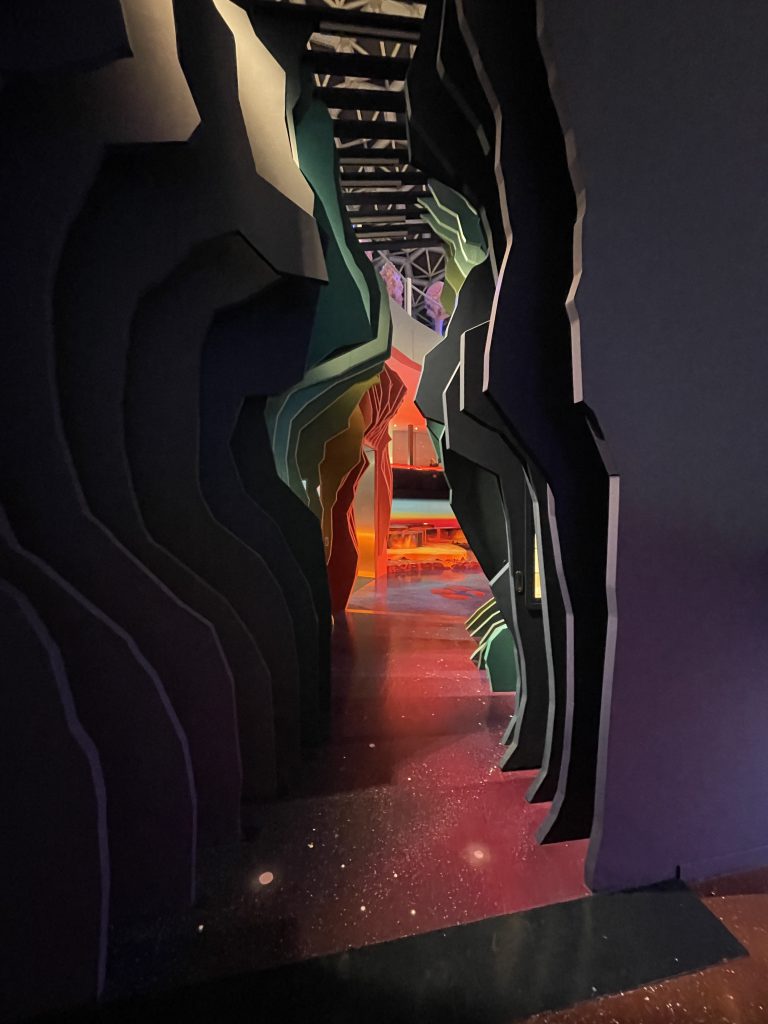
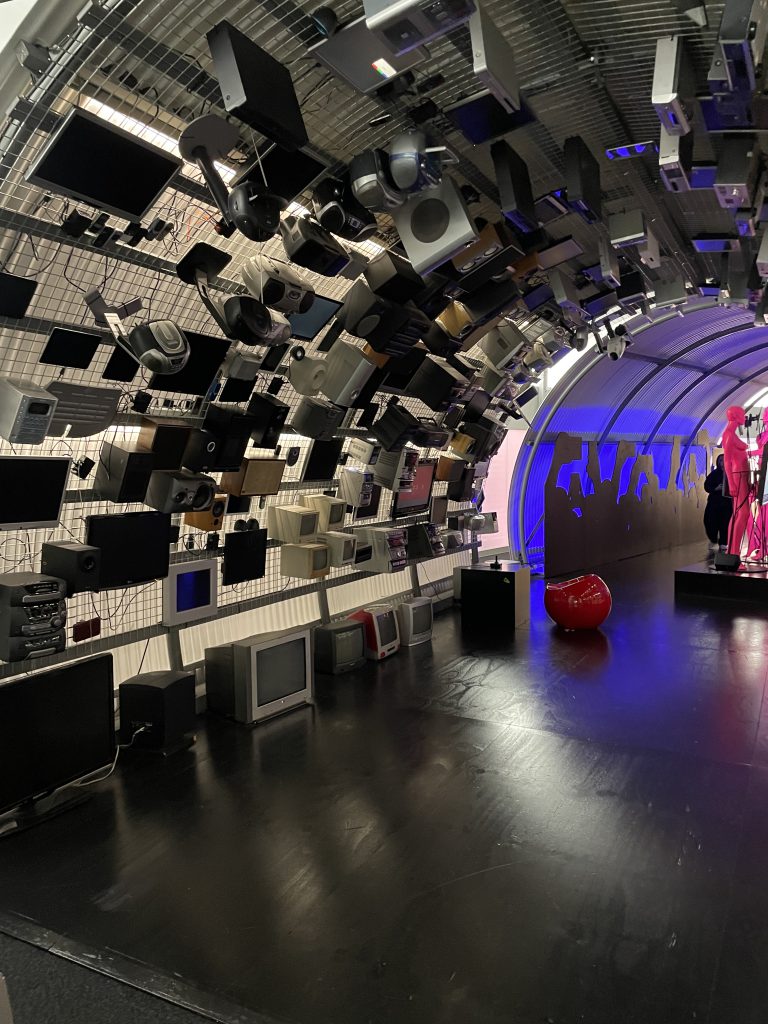
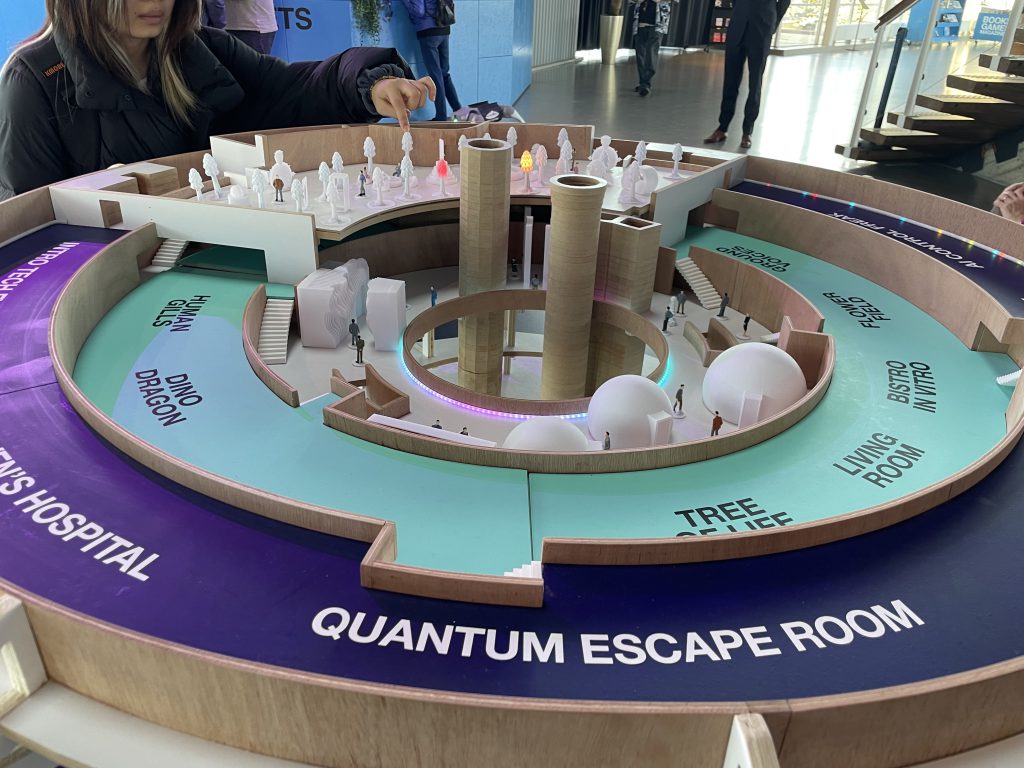
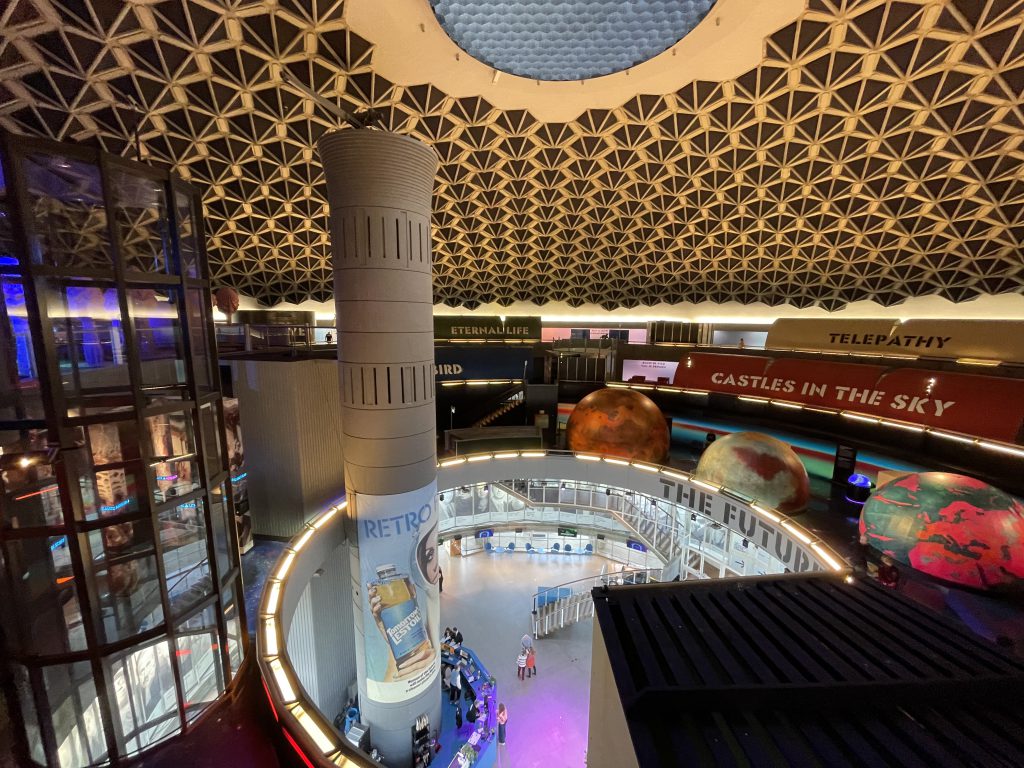
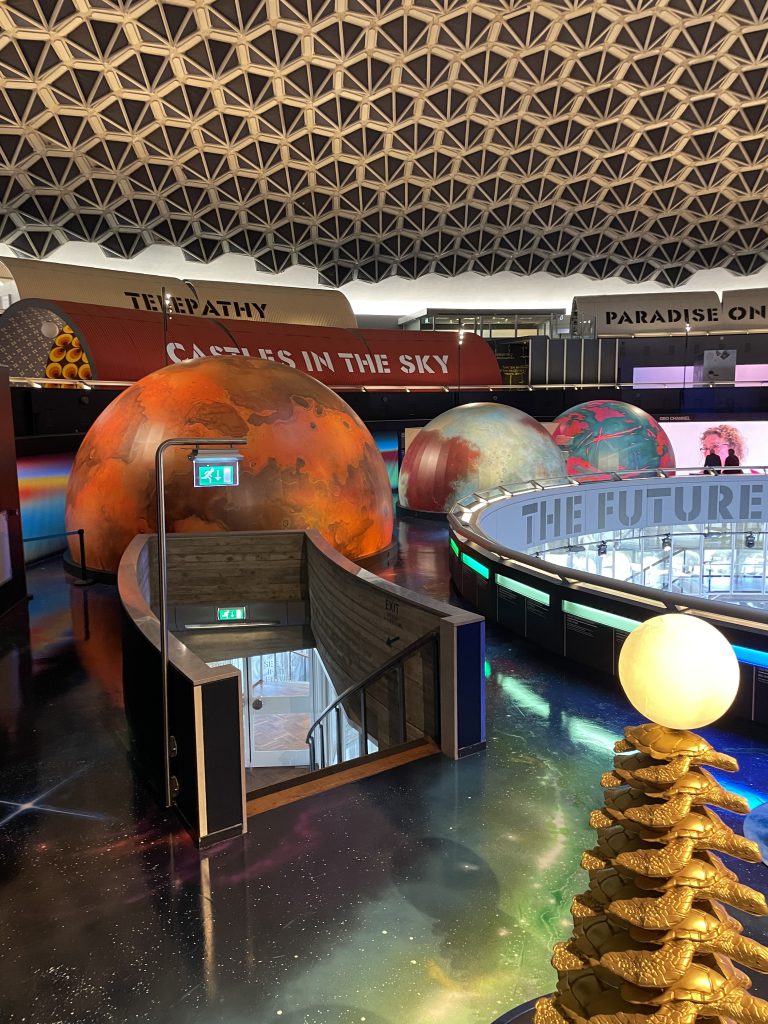
Today we traveled to Evoluon with the entire class.
Our assignment is to compare the Evoluon to Futurium in Berlin, looking at how both locations present future-oriented ideas and experiences.
After visiting the exhibition, Angela and I worked on our presentation focusing on Amsterdam Central and Amsterdam South.
We analysed both locations through different layers that were important for the assignment:
- nature
- human
- artificial intelligence
This layered way of analysing space helped us better understand how different systems coexist and influence each other in the city.
By the end of the evening, we had completed the presentation for the next day.
Day 4
Presentation
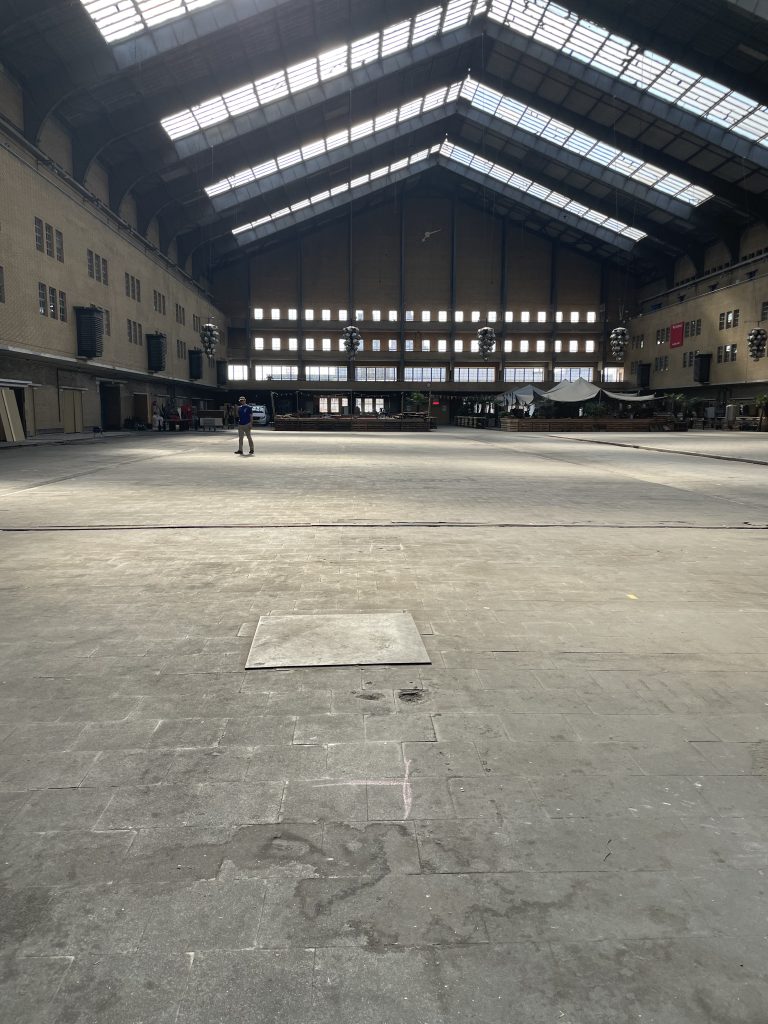
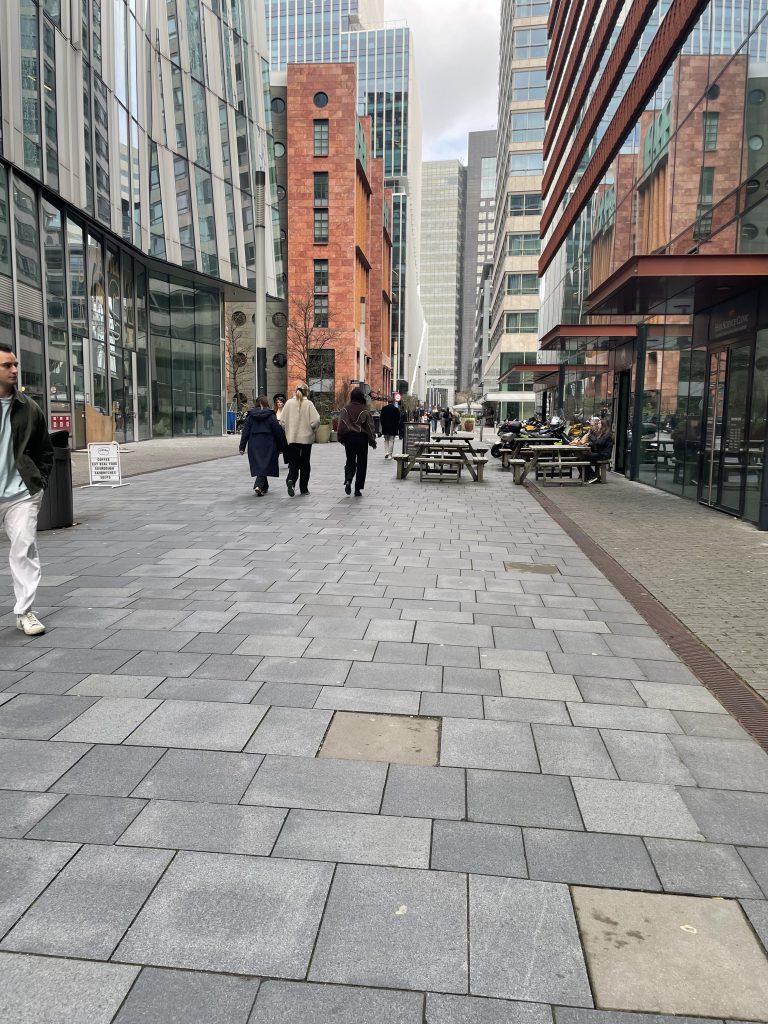
We presented our work at Centrale Markthal, at the office of Scape Agency.
Most groups had similar presentation structure, focusing on the different layers of analysis, but each group chose to go into detail on different aspects of the city.
Angela and I focused more deeply on:
- the movement of people
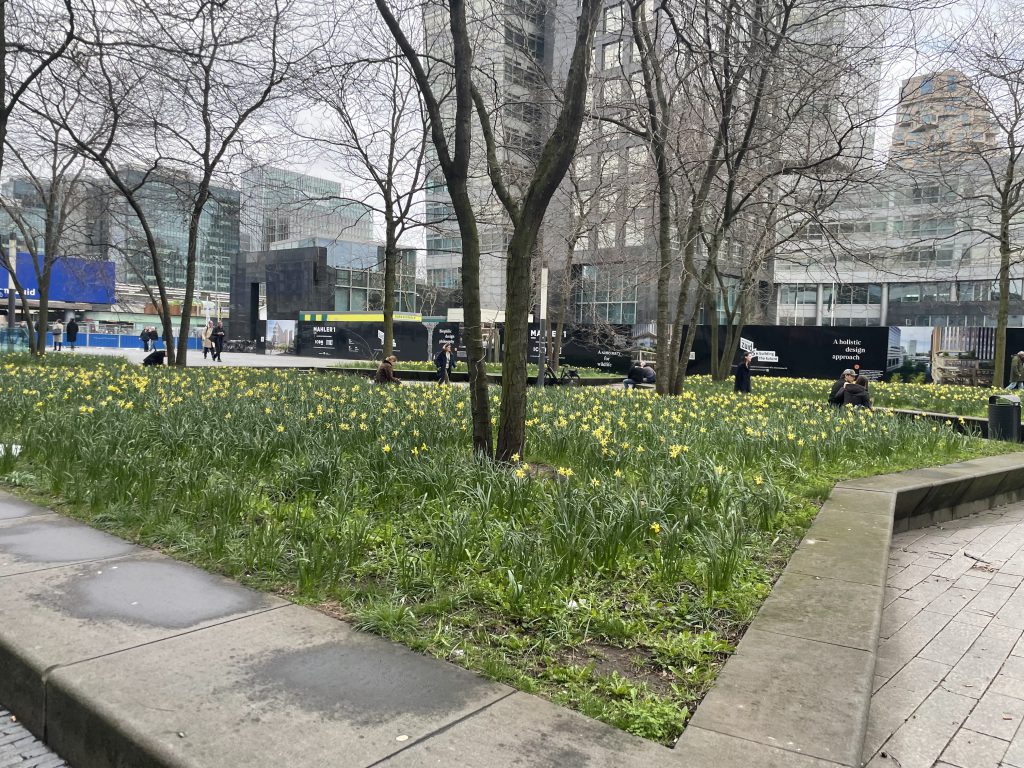
- the role of nature
- how these systems influence the feeling and use of space
It was interesting to compare our findings with those of other groups and see how different perspectives highlighted different urban qualities.
Reflection
This week helped me develop a stronger understanding of field research as part of urban design.
The drawing classes on the first day improved my ability to observe urban spaces in more detail. Learning about perspective not only helped my sketching skills, but also made me more aware of how buildings, streets, and open spaces relate to each other.
The field visits with Angela were valuable because they taught me how much information can be gathered by simply walking through the city and paying attention to the atmosphere, movement, and environment qualities. I found it especially interesting how different locations can create different experiences. For example, one area felt lively and social because of the playground and greenery, while another felt calm and restorative because of the inner garden and quiet atmosphere.
Another important learning point was the layered analysis approach. Looking at locations through the lenses of nature, human, and artificial systems helped me better understand how urban spaces function as interconnected systems.
Presenting our findings at Scape Agency also gave the assignment a more professional context. It showed me how field research can be translated into structured analysis and visual communication.
Overall, this week strengthened my observational skills, my ability to analyse urban space, and my understanding of how different layers influence the experience of the city.
Learning Outcome
1.1 The student applies knowledge and design methods from various disciplines to create sustainable urban experiences in which the physical and digital are intertwined.
The layered analysis method helped me understand how different systems interact within cities and how these relationships influence urban design.



1.2 The student maps the wants and needs of a diverse group of stakeholders using various research methods and translates this into requirements.
By analysing multiple locations and studying movement, nature, and human activity, I learned how different urban qualities influence how people experience a space.
1.4 The student demonstrates the value of the design from the perspective of the different stakeholders.
Presenting our findings helped me understand how different groups experience the city and how urban qualities can create value for residents and visitors.
2.1 The student acquires knowledge from other disciplines and masters methods to develop new work.
Learning perspective drawing and spatial analysis gave me new ways to observe and understand urban environments.