Day 1
Arrival
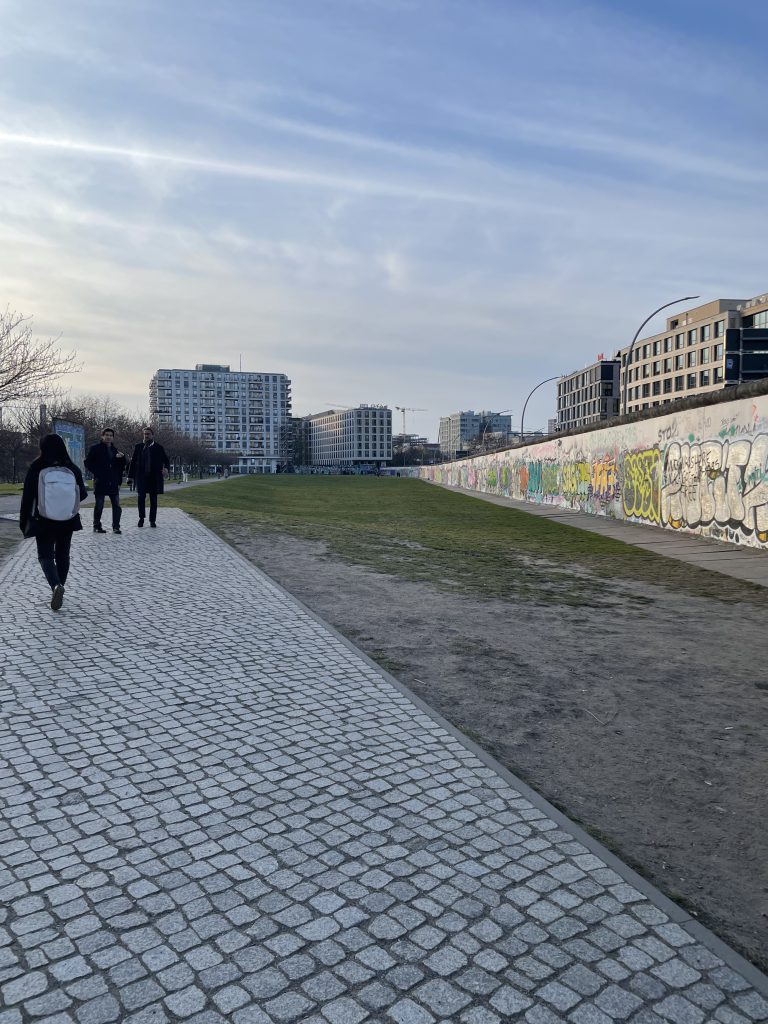
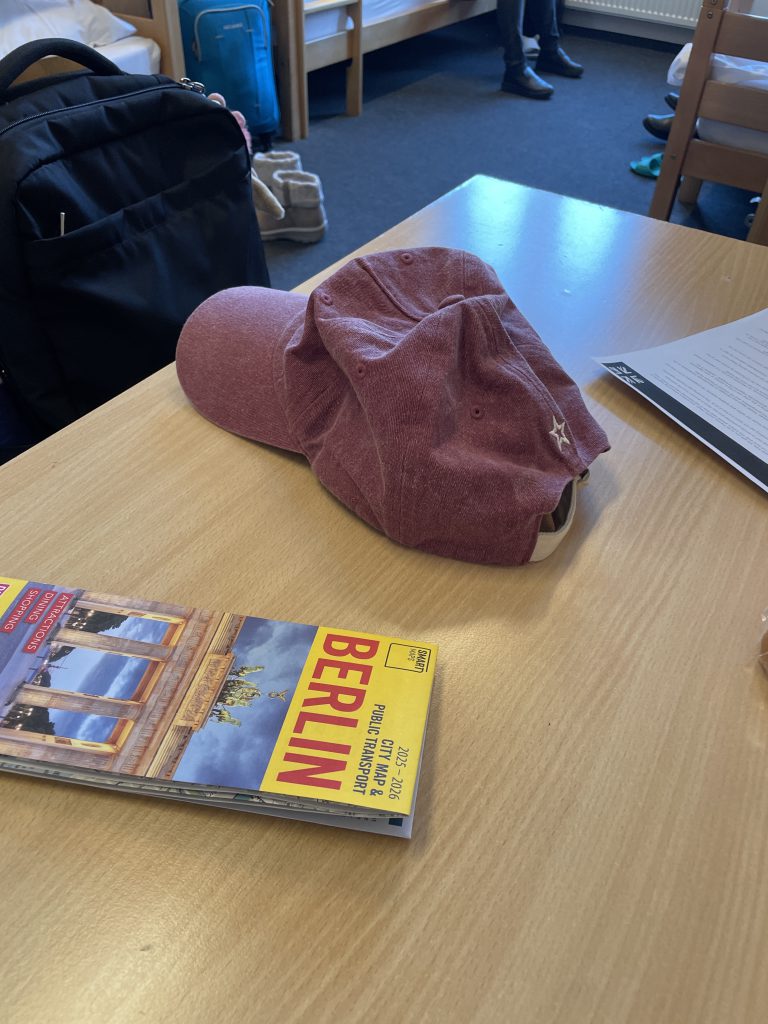
We travelled to Berlin by train and arrived at our hostel, Industriepalast. After arriving, we immediately started our first field research task.
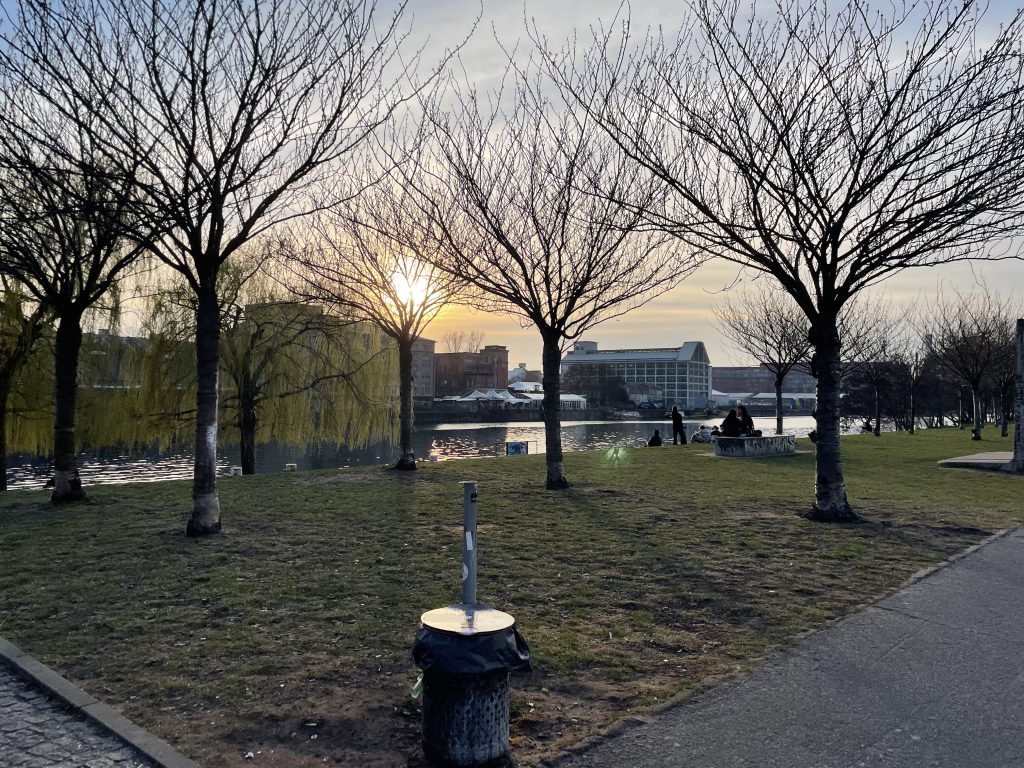
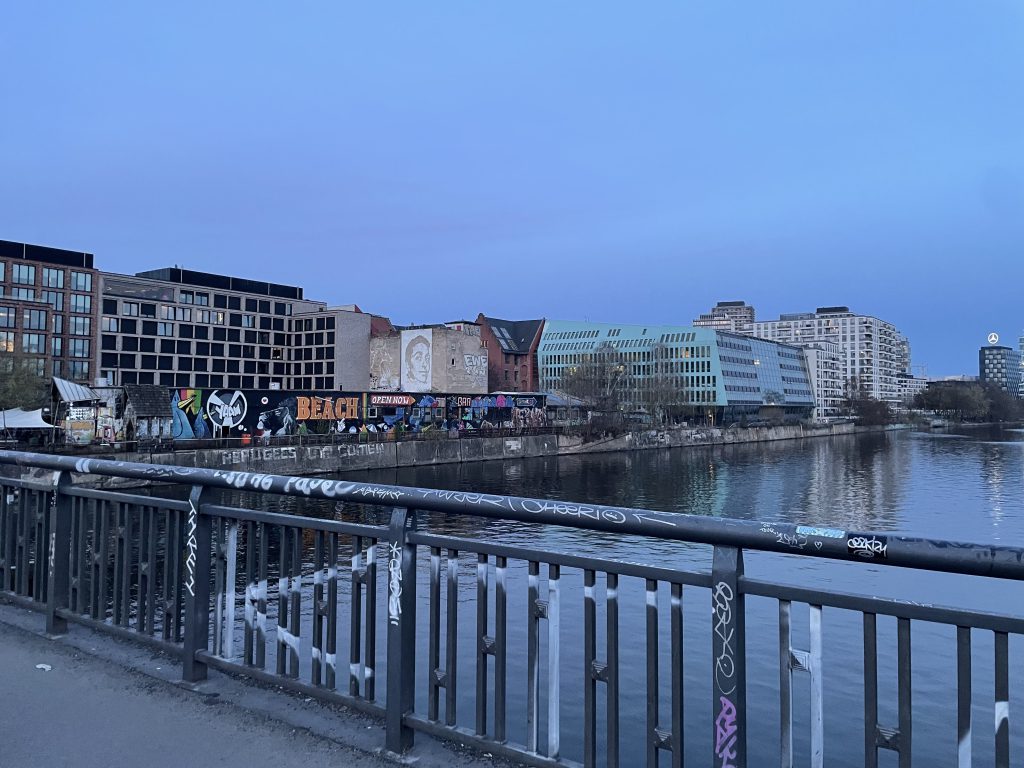
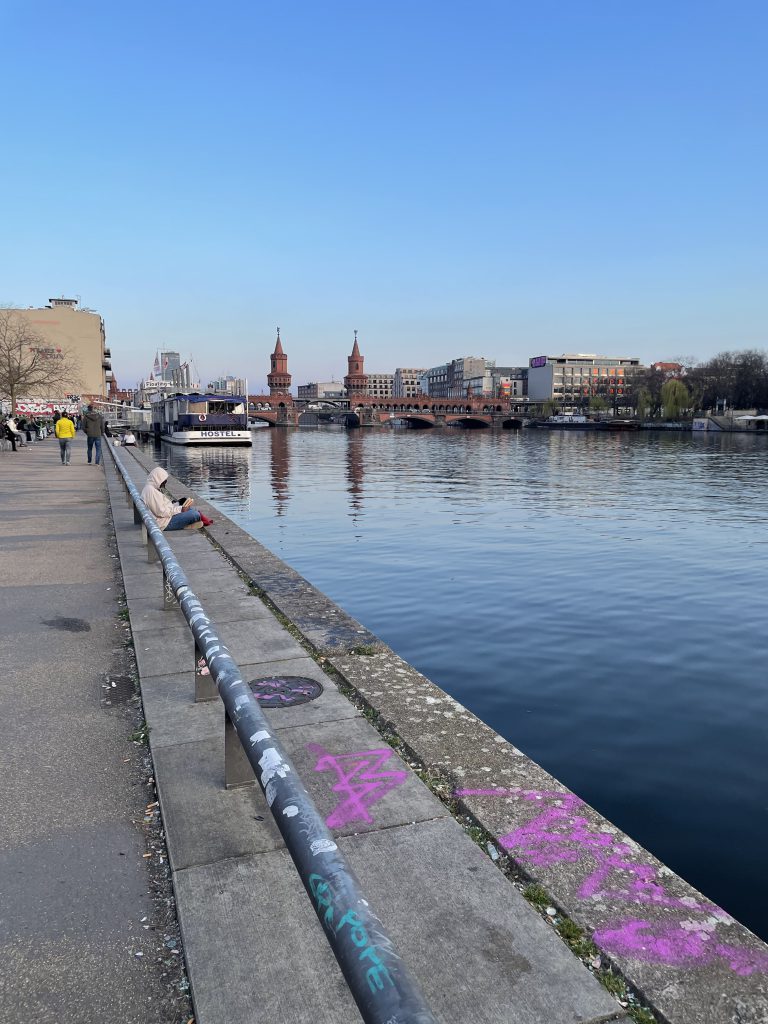
We visited the first location provided by the teachers, situated between two bridges near the hostel: Oberbaum bridge and An der Schillingbrucke.
Day 2
Exploration
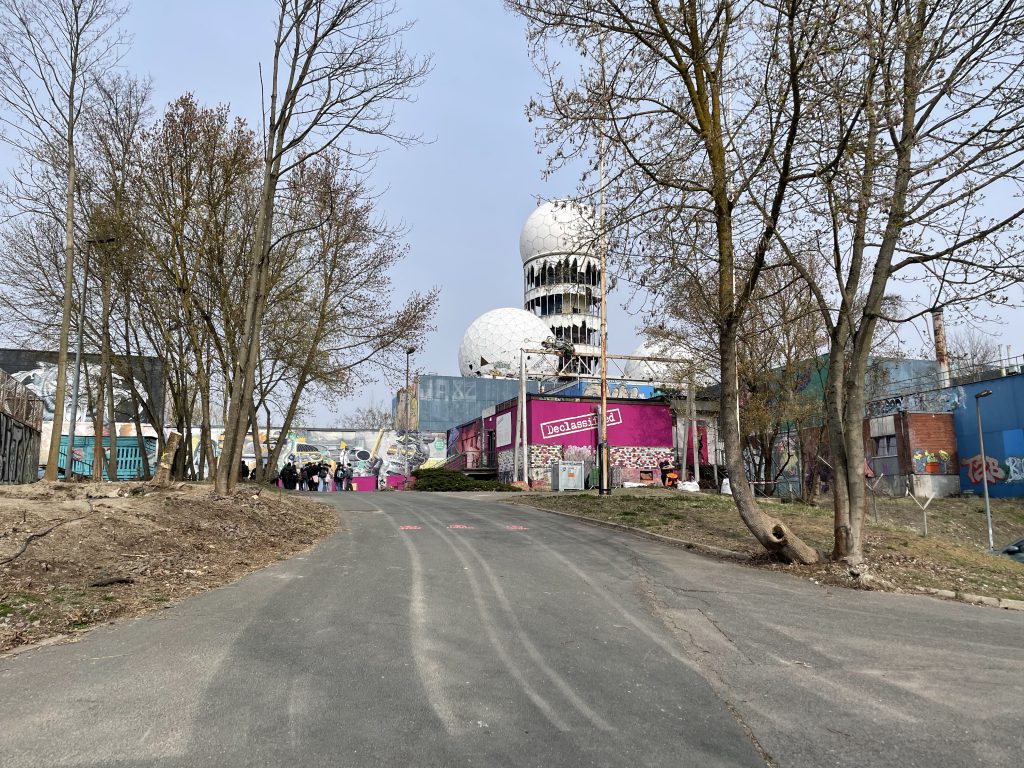
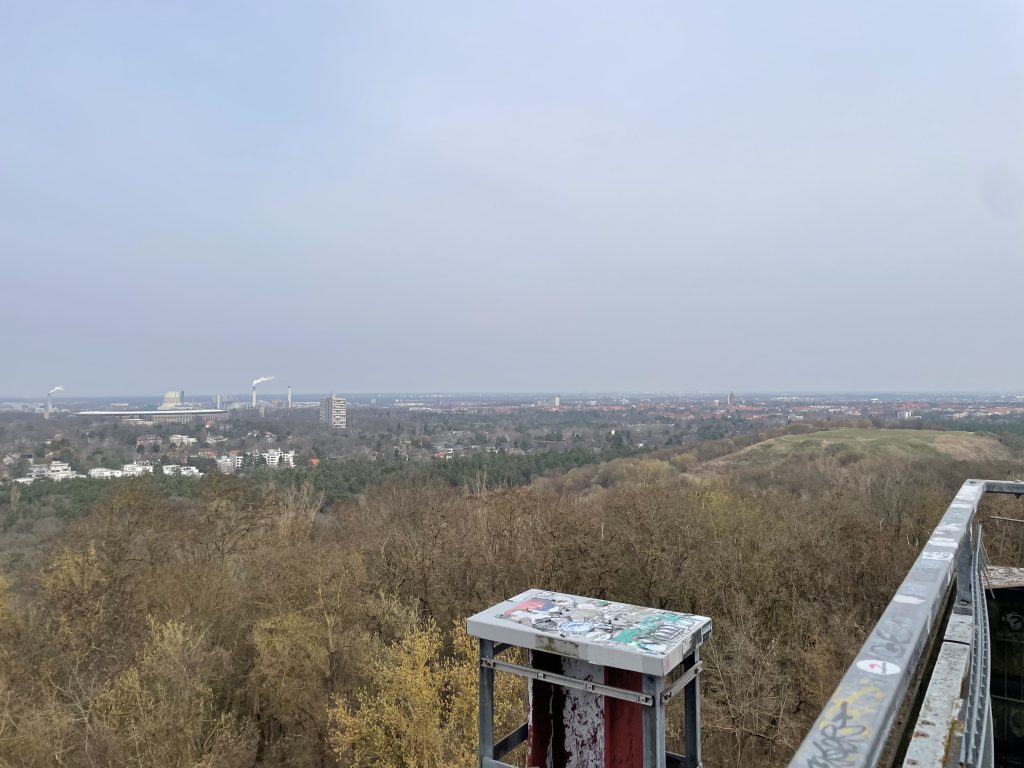
Today we visited Teufelsberg. It involved quite a long walk, but the location offered an impressive view of the city.
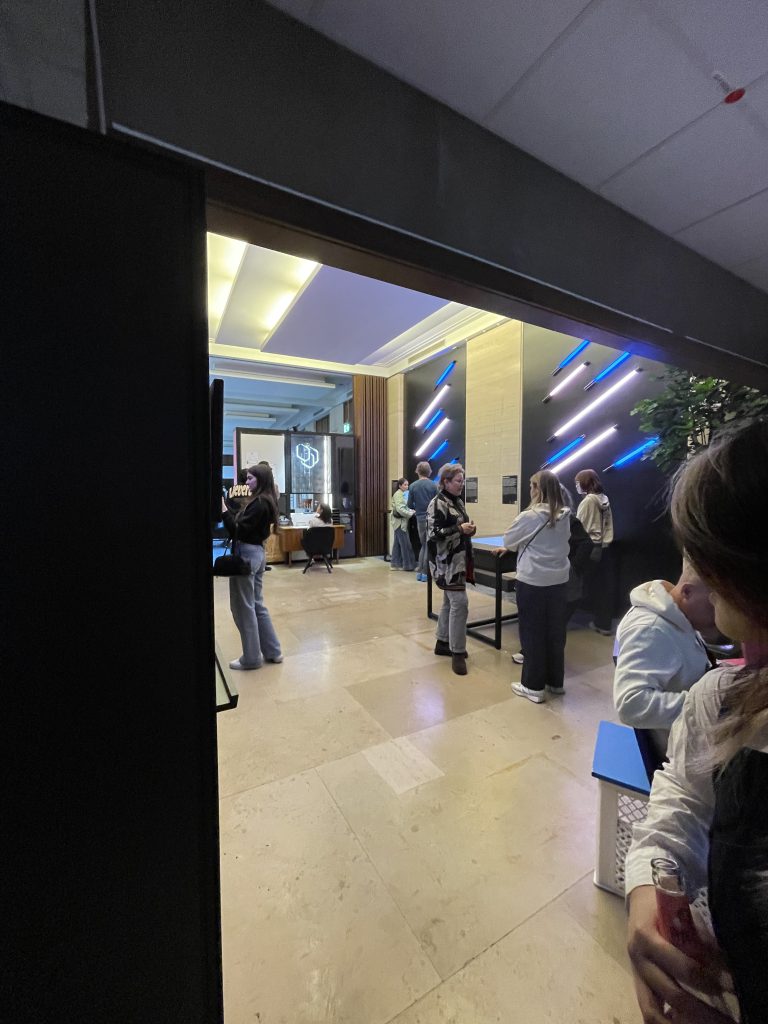
After that, we visited CityLab Berlin, where we explored the exhibition and attended a short lecture/talk with the person who works there.
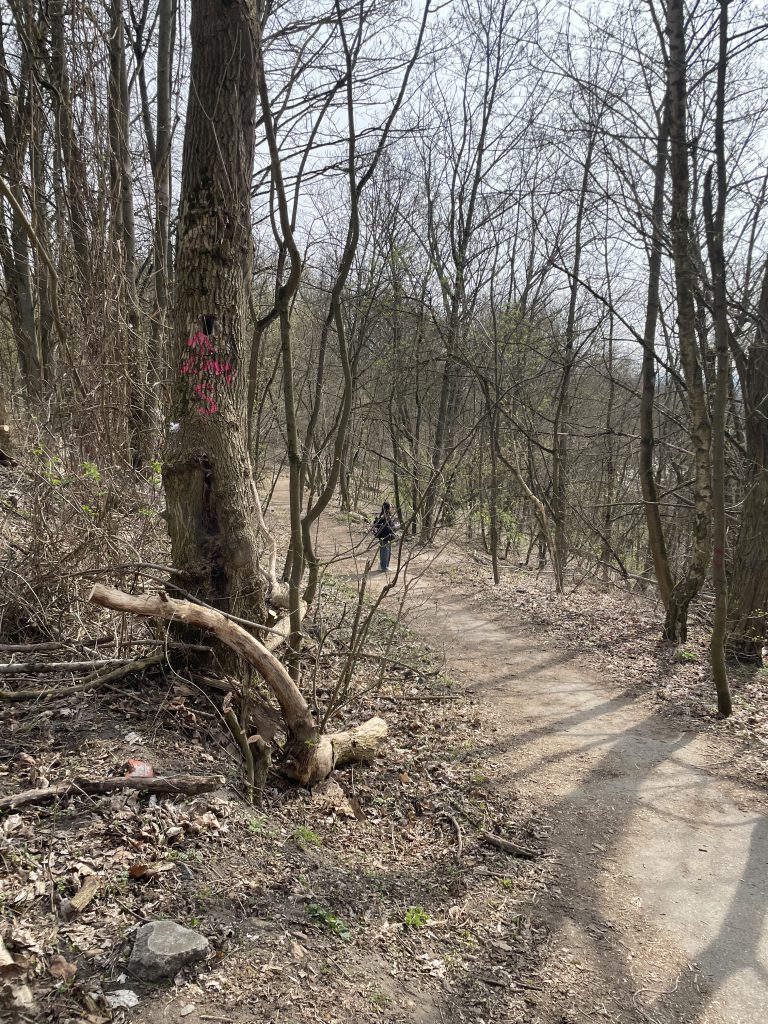
Later that day, we started searching for our own field research locations.
We selected:
- Bayernring, small gardens inside the housing block
- Bundesring, green path/forest-like walkway in the middle of the street
- along Mehringdamm
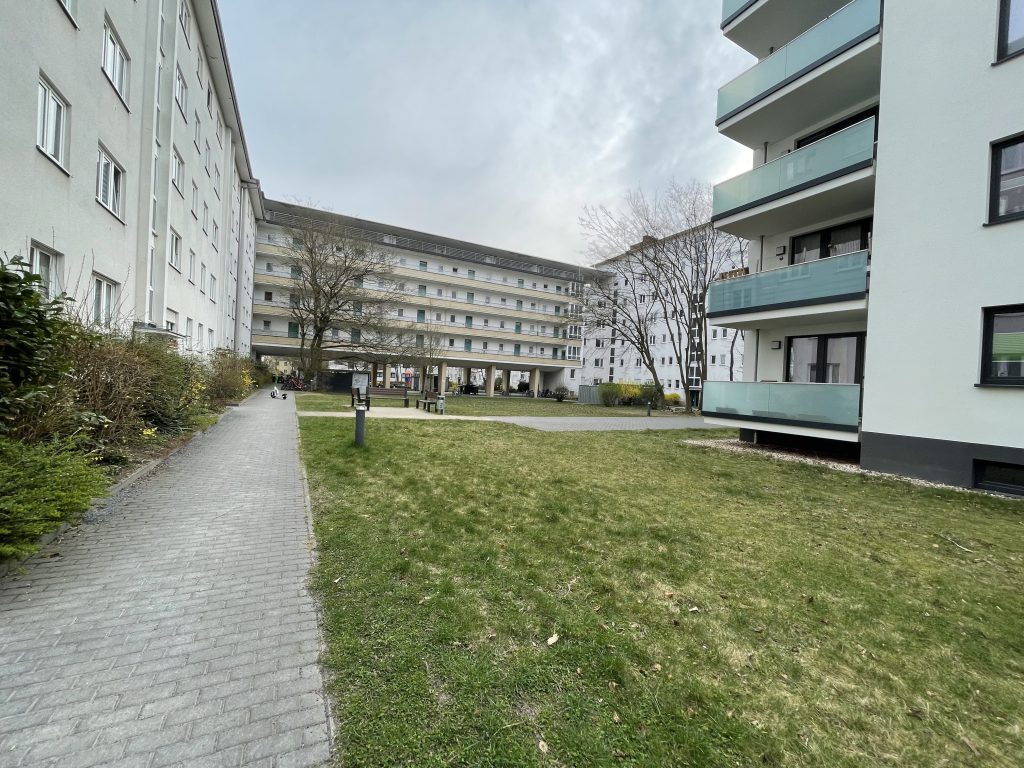
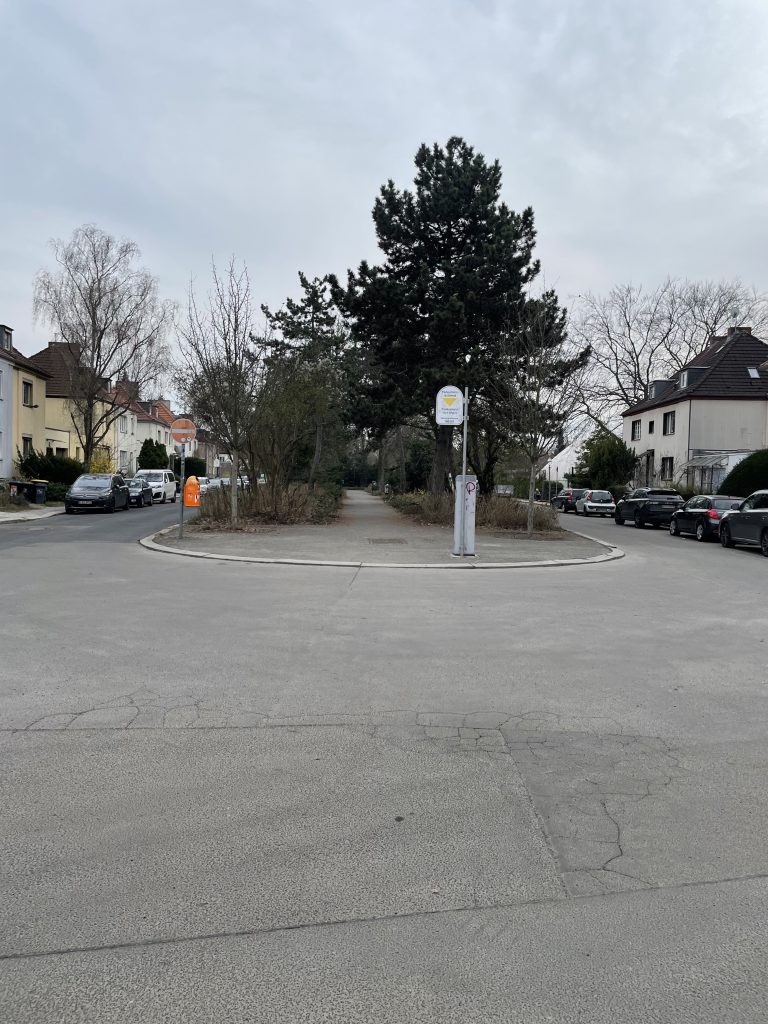
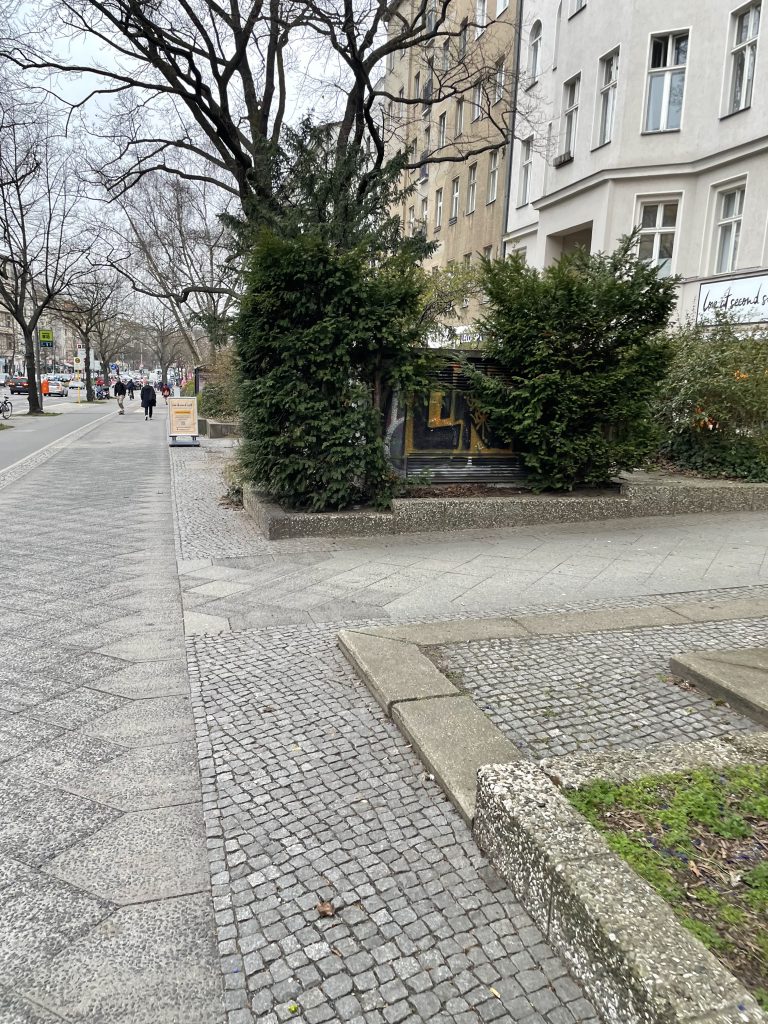
These locations were chosen because of their contrast between urban density and green, quiet spaces.
Day 3
Comparison
Today we visited Futurium and had to compare it to Evoluon from the previous week.
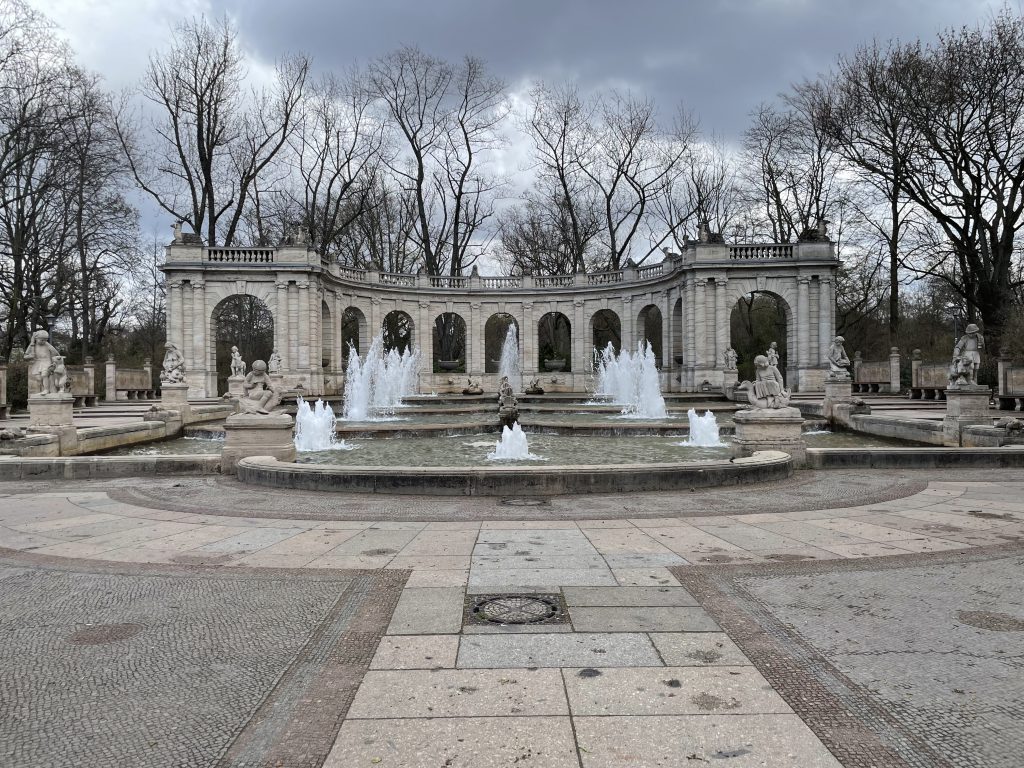
After visiting Futurium, we continued our field research by walking through Berlin to find another location for our field research. We decided to explore a park and document it as we went. We eventually selected Marchenbrunnen, because it felt like a pleasant and inviting place to spend time.
Later we decided to visit BotzowstraBe, which reminded us of a street we had selected earlier in Amsterdam.
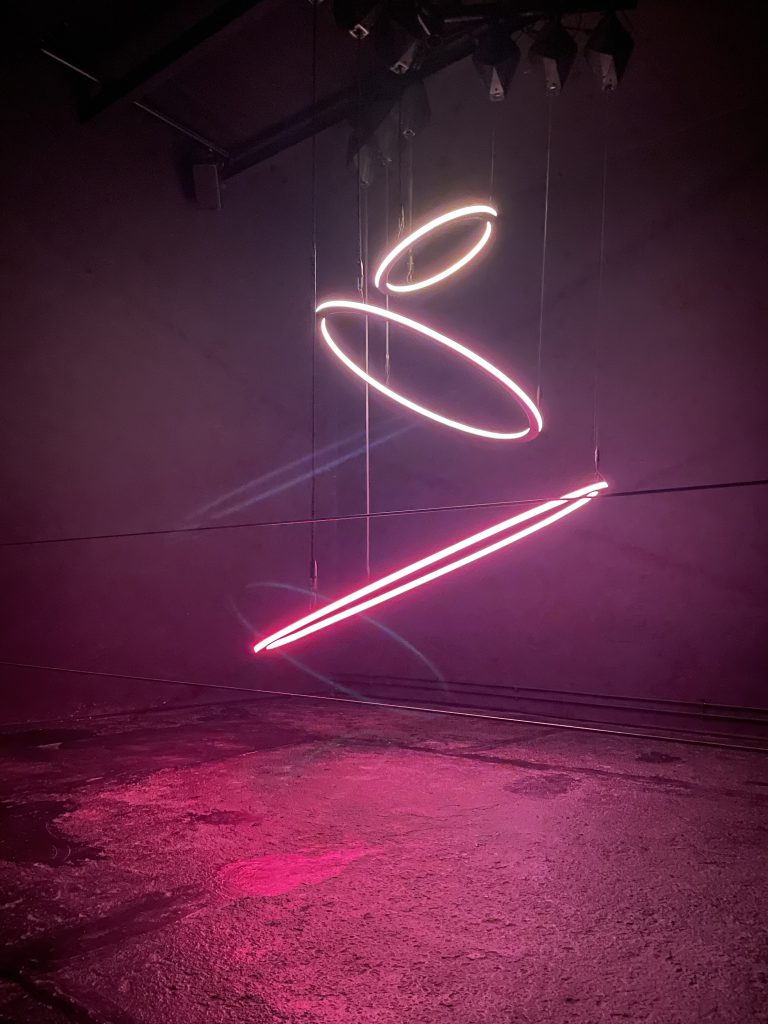
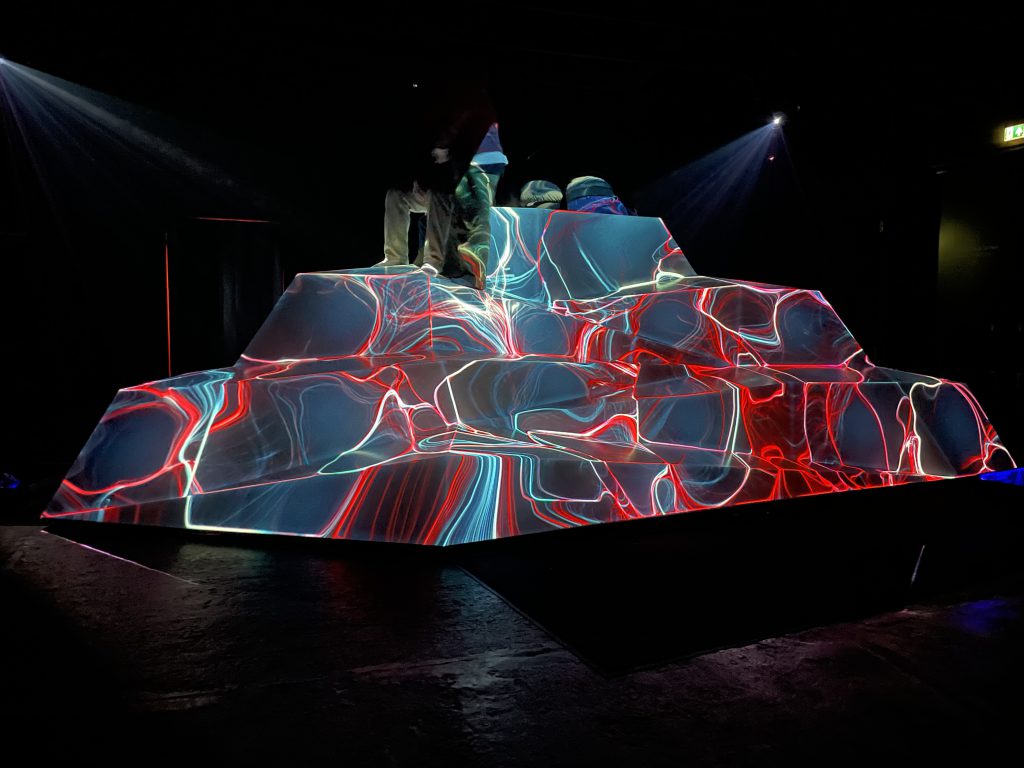
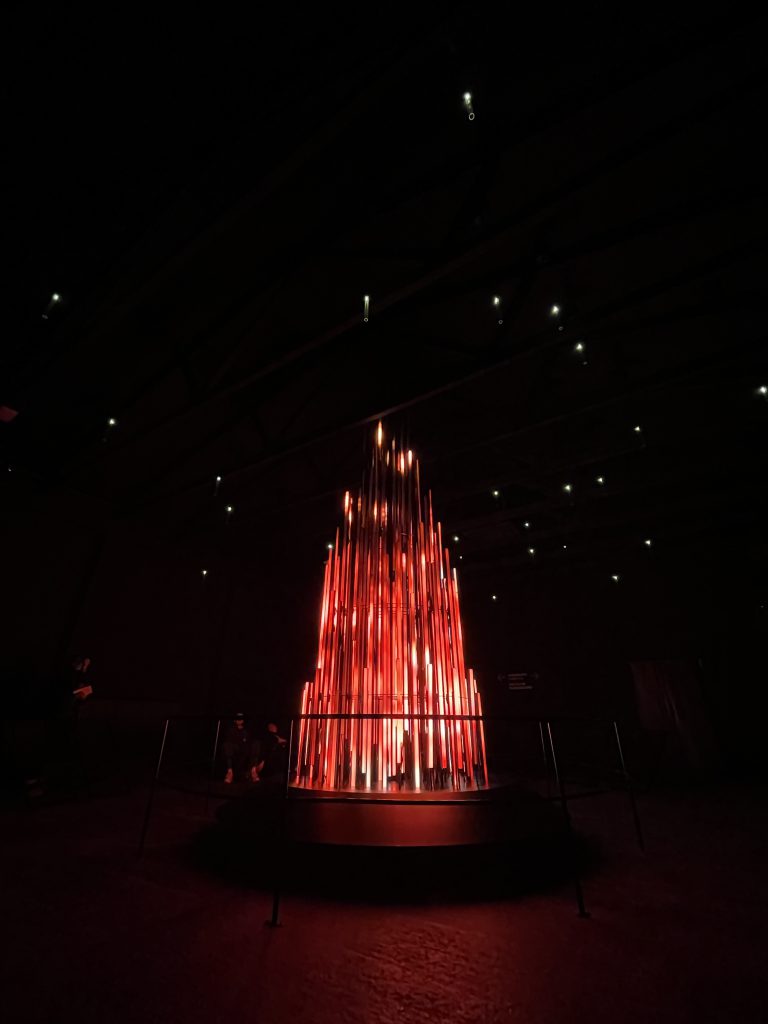
Later that evening, we visited Dark Matter with the whole group. This was one of the most inspiring experiences of the trip for me. I especially enjoyed:
- the calming campfire installation with fireflies
- the larger structure that changed when people walked on it
- the final immersive room with triangles and synchronized sound.
Day 4
Return
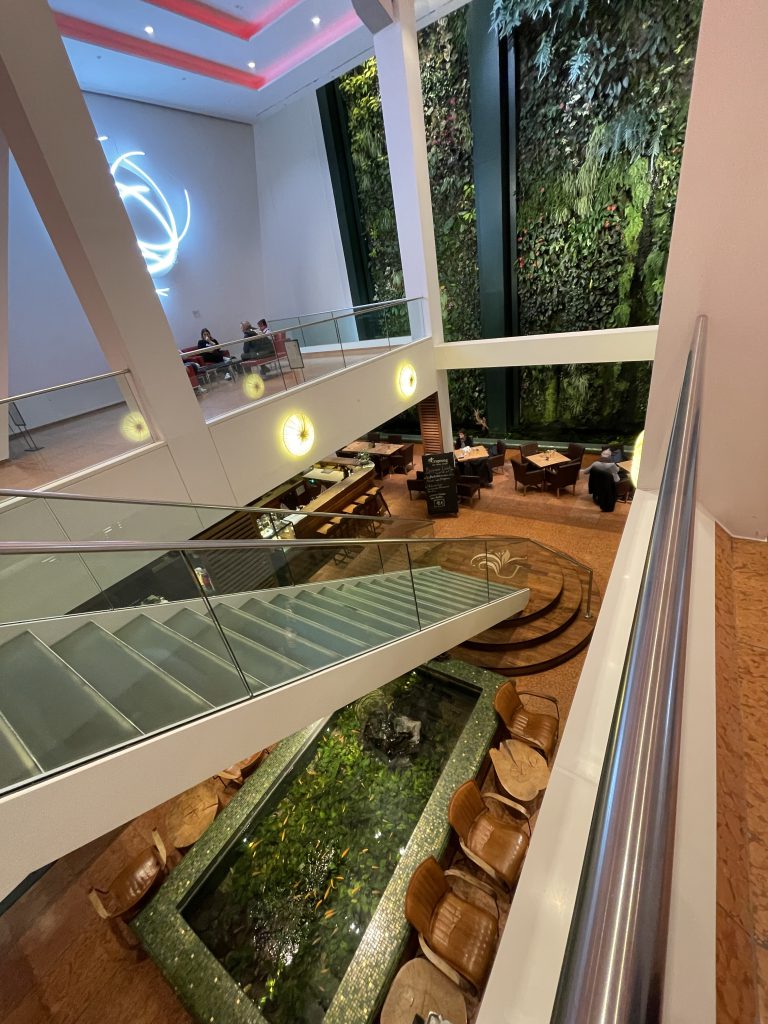
The final day was more relaxed and we focused on exploring the city. Angela and I visited a bookstore and bought some books to read at home.
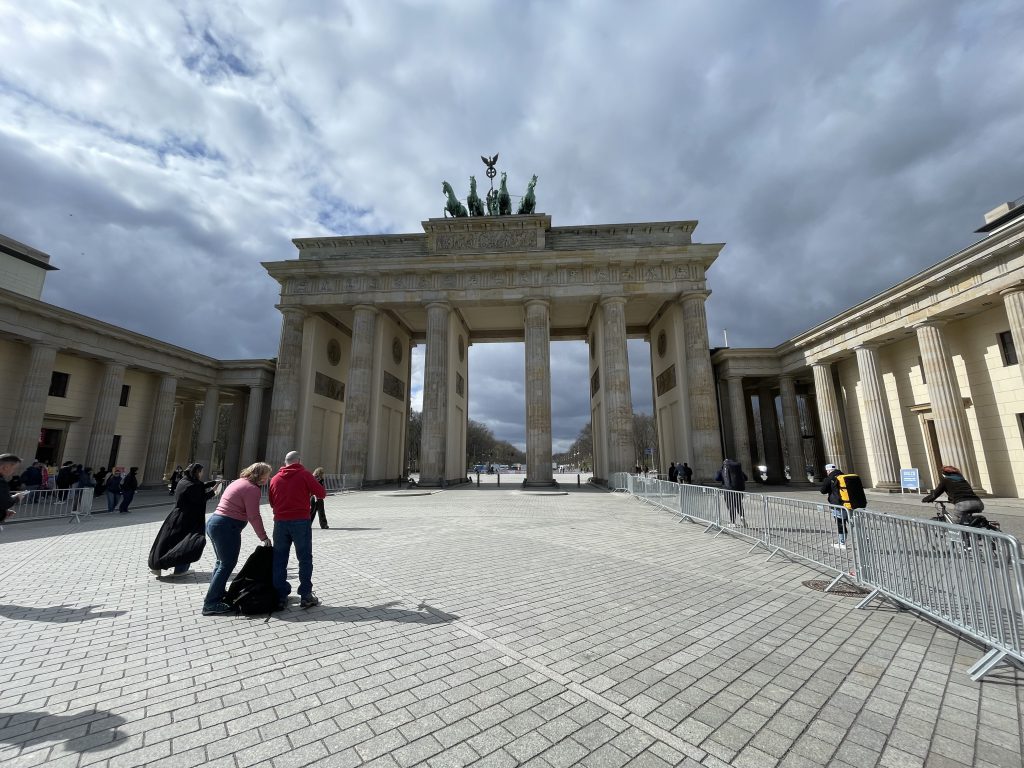
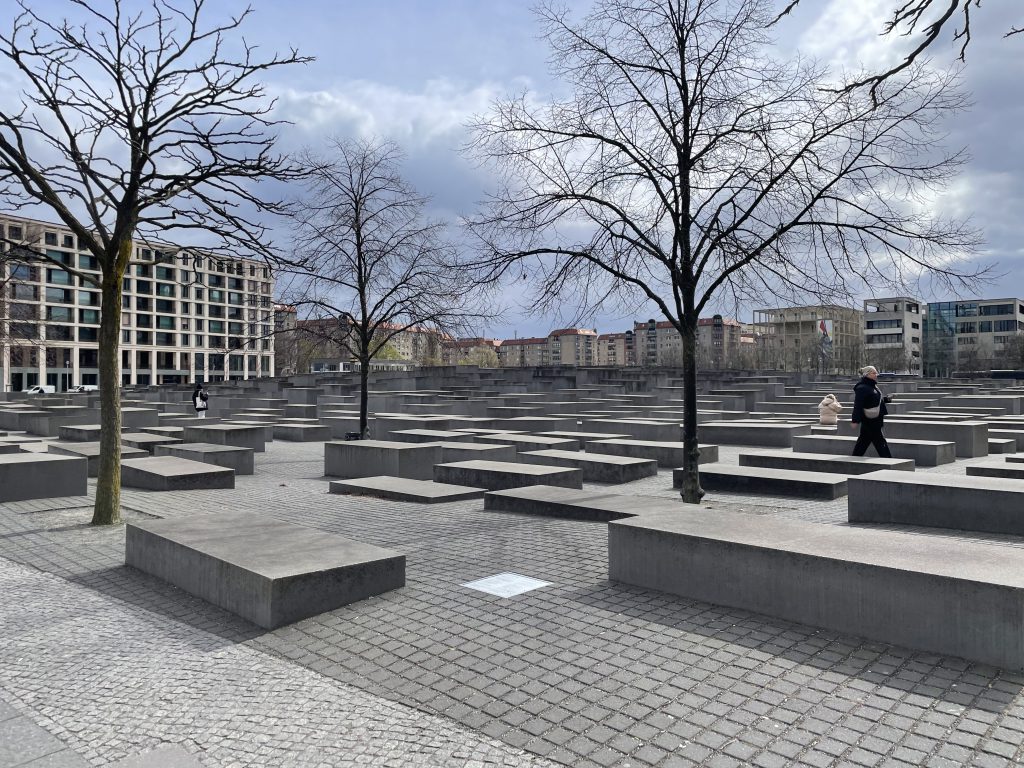
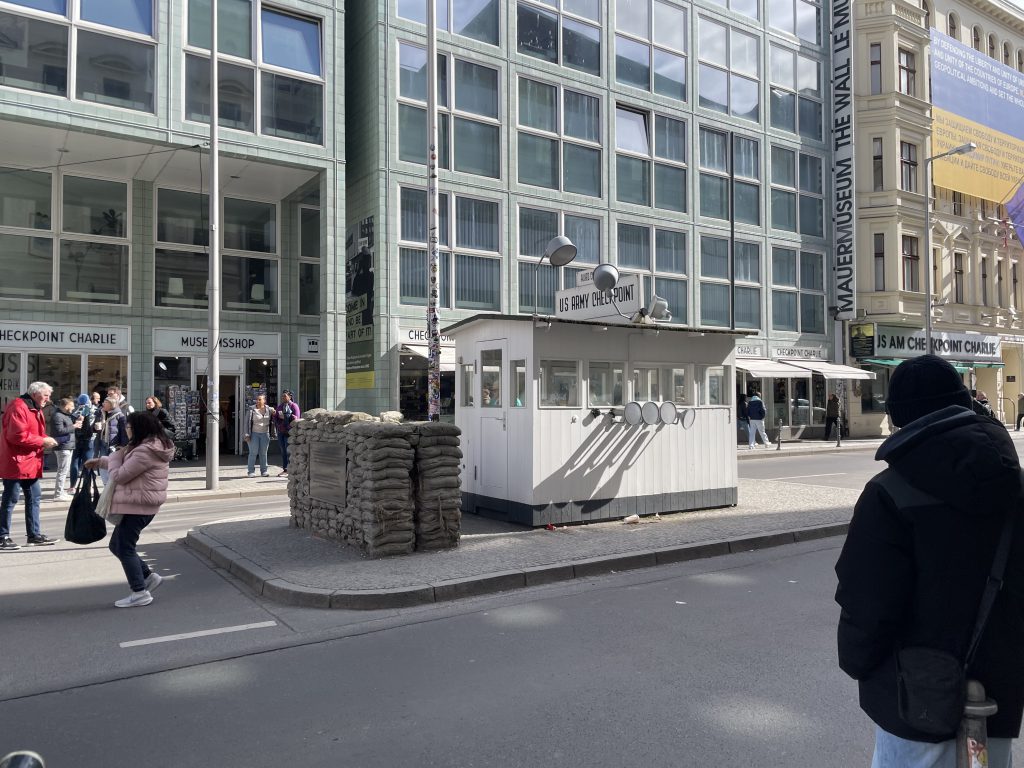
After that, we visited several sights in Berlin before heading back for lunch.
Later that day, we travelled back to Amsterdam by train. On the train I started with updating my portfolio and then reading my book.
Reflection
This trip helped me strengthen my field research and observational skills. By walking through different parts of Berlin, I learned how strongly atmosphere, greenery, architecture, and movement patterns influence the experience of a space.
One of the most valuable aspects was comparing different types of locations:
- busy roads
- quiet residential blocks
- inner gardens
- public parks
- interactive exhibitions
This made me more aware of how urban spaces can support different behaviours, such as relaxation, movement, social interaction, or play.
I also found the visit to Dark Matter particularly inspiring. The interactive installations showed how physical space and digital systems can merge into an immersive experience, which closely connects to my own interest in game development and interaction design.
Overall, this trip improved my ability to analyse urban environments, compare locations, and draw inspiration from interactive public experiences.
Learning Outcome
1.1 The student applies knowledge and design methods from various disciplines to create sustainable urban experiences in which the physical and digital are intertwined.
Visits to Futurium and Dark Matter showed how physical environments and digital technologies can create meaningful experiences.


1.4 The student demonstrates the value of the design from the perspective of the different stakeholders.
Throughout the field research, I analysed why certain locations were attractive, comfortable, or memorable. This helped me understand how urban spaces create value for the people who use them.

2.1 The student acquires knowledge from other disciplines and masters methods to develop new work.
By analysing Berlin’s urban spaces and comparing Futurium with Evoluon, I gained new perspectives on urban research, experience design, and future-oriented thinking.
2.4 The student reflects on their own development, the transdisciplinary collaboration, and develops a vision of themselves as a designer.
Experiences such as Dark Matter connected strongly with my interest in interactive experiences and game design. It helped me see how these interests could contribute to urban interaction design.