Day 1
Introduction
The first day started with an introduction by Marjolijn about the digital world and how digital systems interact with the physical world around us. We discussed how technology can influence everyday objects and spaces, including some exaggerated examples, such as a too smart bench that would throw people off or a trash can that throws trash back out.
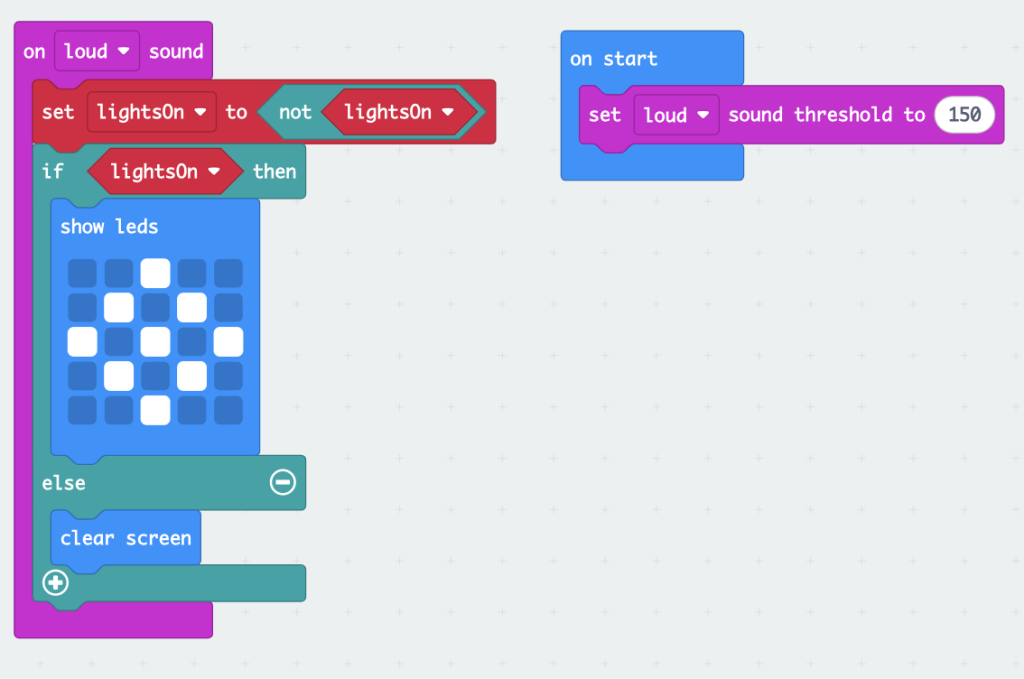
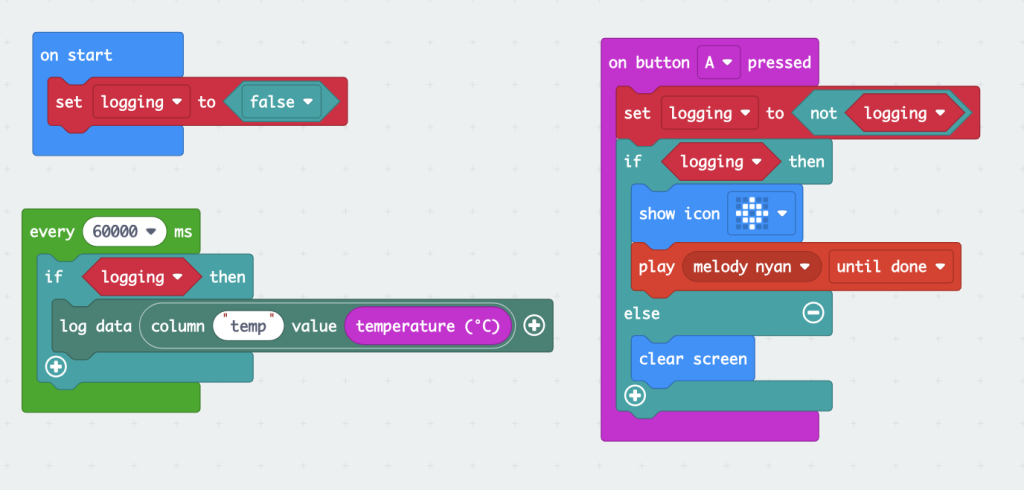
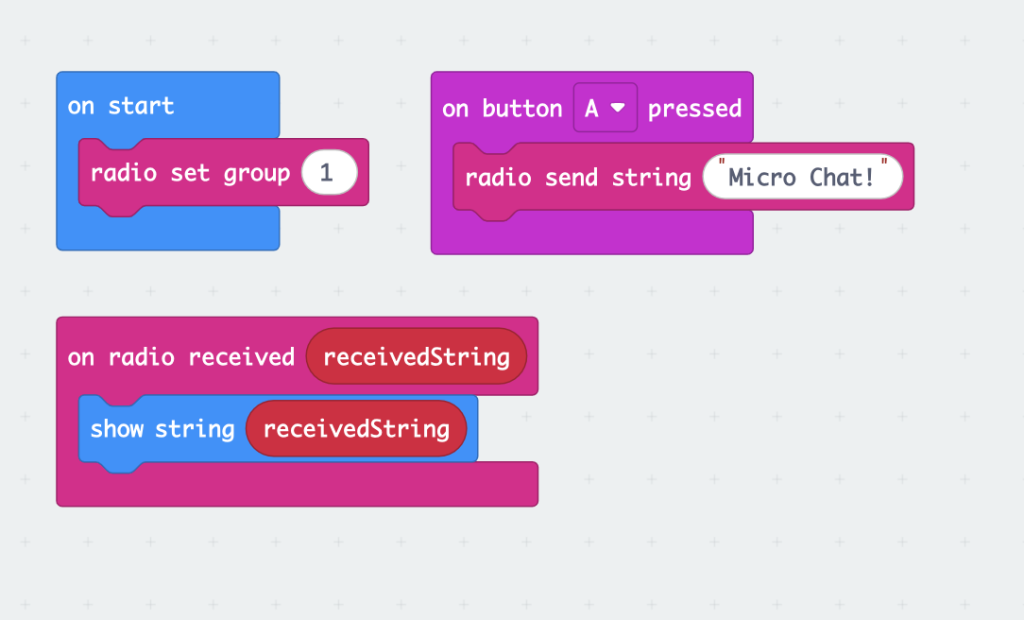
After that, Kevin gave us a short introduction to working with micro:bits. We learned about the different inputs and outputs, such as buttons, light sensors, and radio communication, before getting hands-on experience ourselves.
For homework, we had two small assignments. The first was to observe and identify digital systems in the city during our journey home. This helped us become more aware of how digital systems are already integrated into urban spaces. The second assignment was to create a project for every available input that the micro:bit has.
Day 2
Concepting
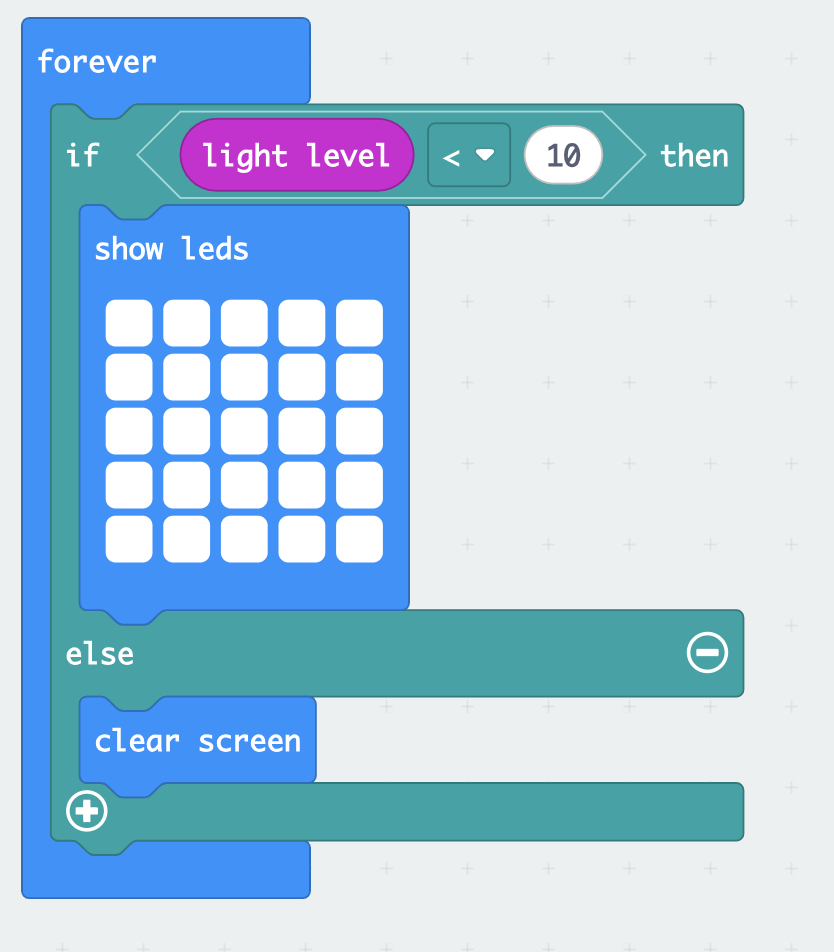
We received the explanation for the main project of the week and were assigned random groups. Fortunately, my group worked very well together and we got along immediately.
At first, we struggled to come up with a strong concept. Many of our initial ideas felt too simple or already existed in some form. To broaden our thinking, we looked online for inspiration and examples of digital systems in public space.
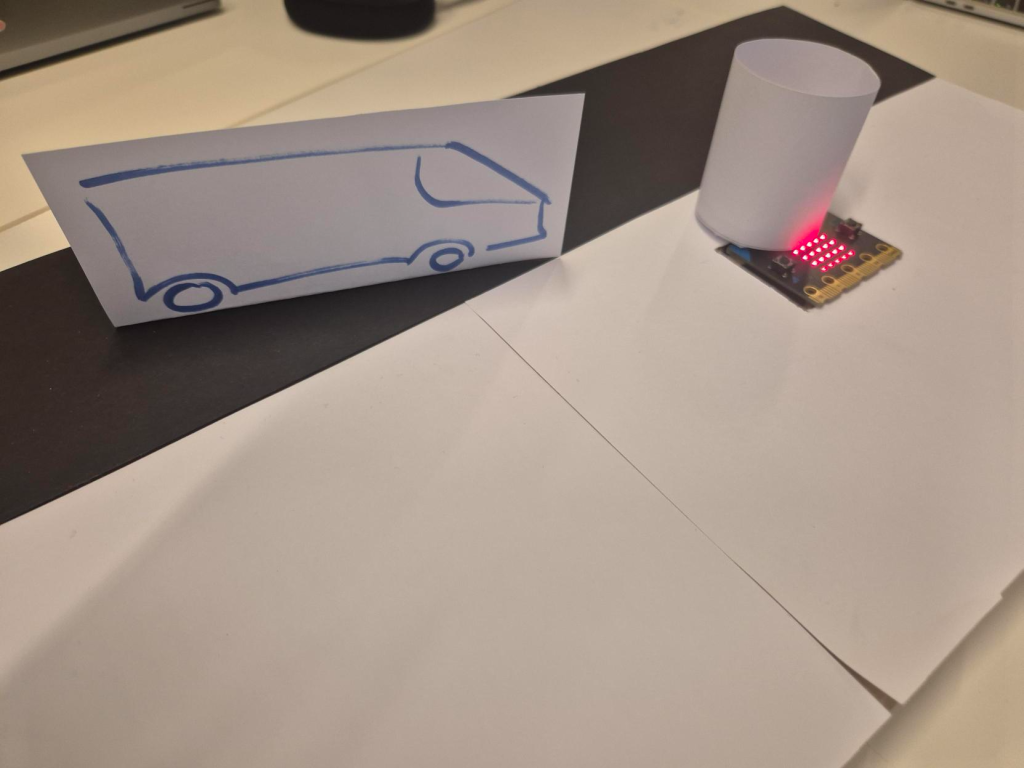
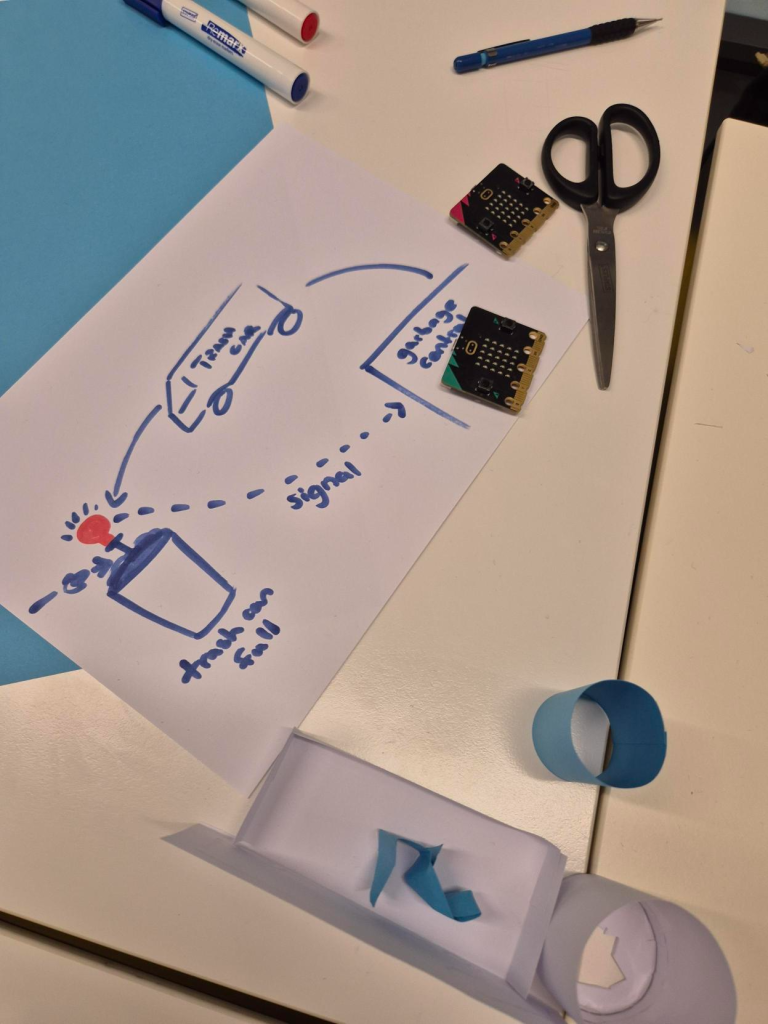
In the end, we developed the concept of a smart trash bin system. The idea was that once a trash bin is full, it shows a red light and automatically send a message to the waste disposal center, allowing them to send a collection vehicle.
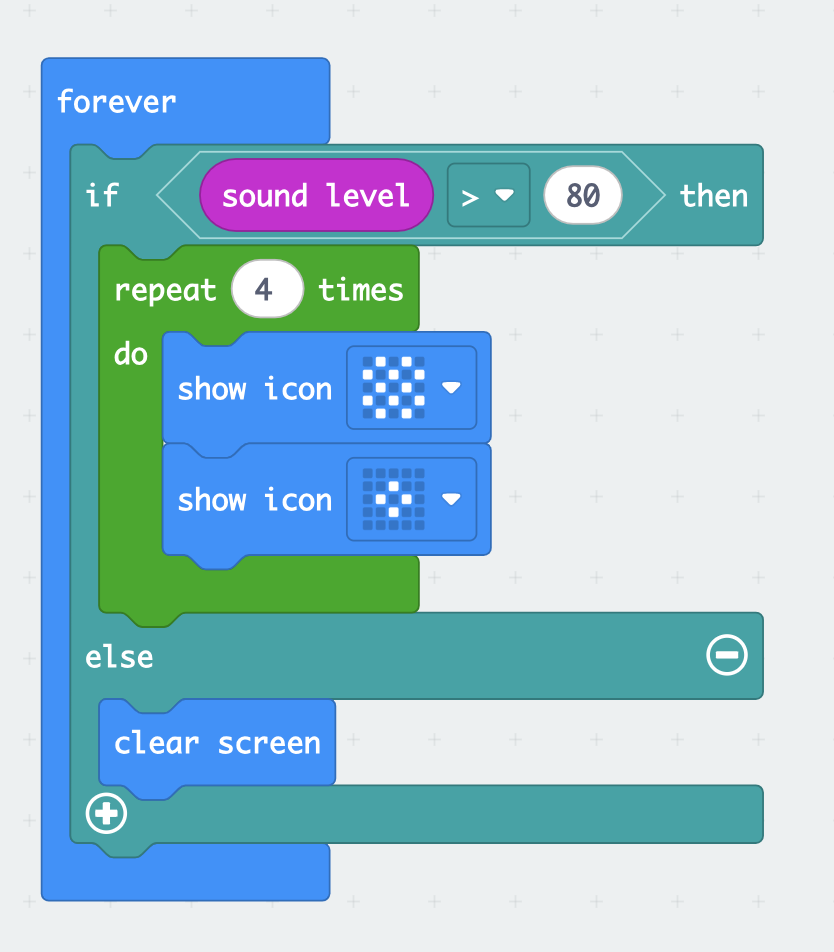
We then created our first prototype. My main contribution was working on the micro:bit coding. In this first version, the micro:bits did not yet communicate with each other. Two micro:bits responded to changes in light intensity, lighting up when it gets dark, while another micro:bit gave a signal when the sound level was high.
Day 3
Iteration
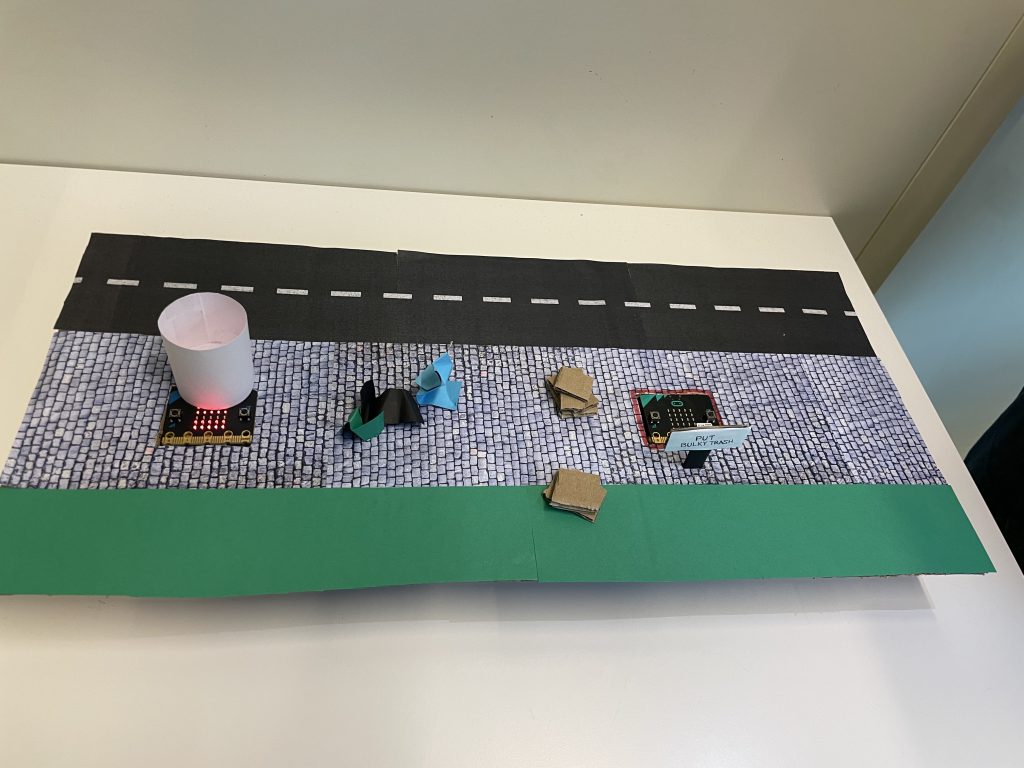
We presented our first prototype together with our iteration plan and received valuable feedback from the teachers and classmates.
After the feedback session, we started working on an improved version of the prototype with better quality and clearer interaction.
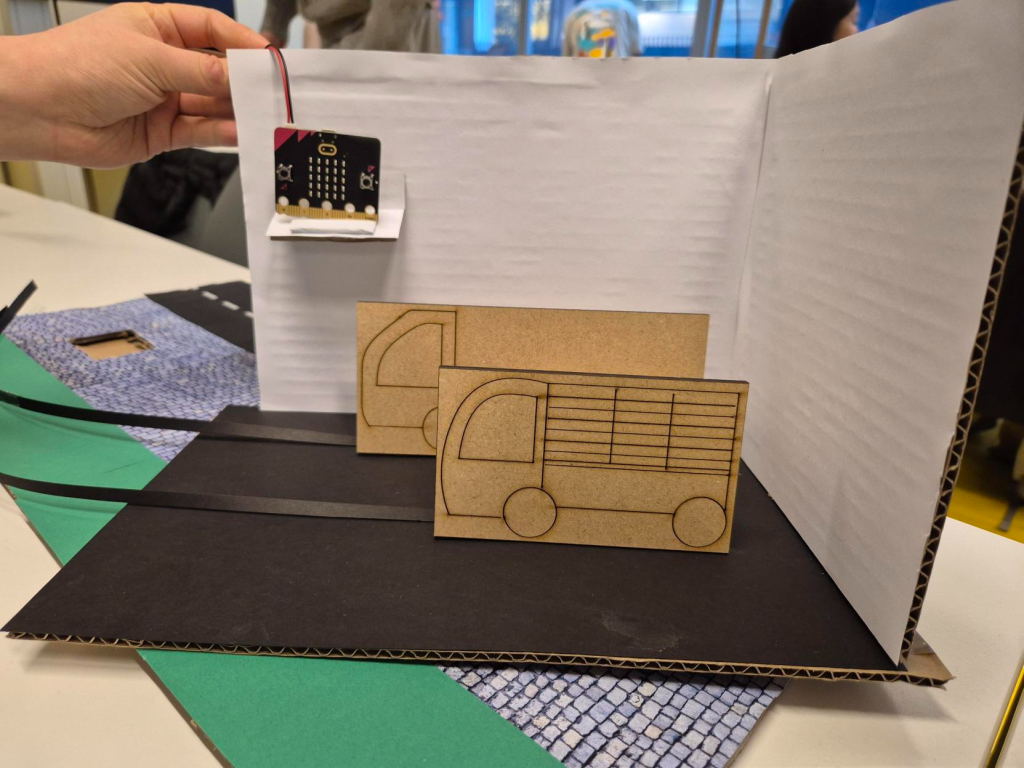
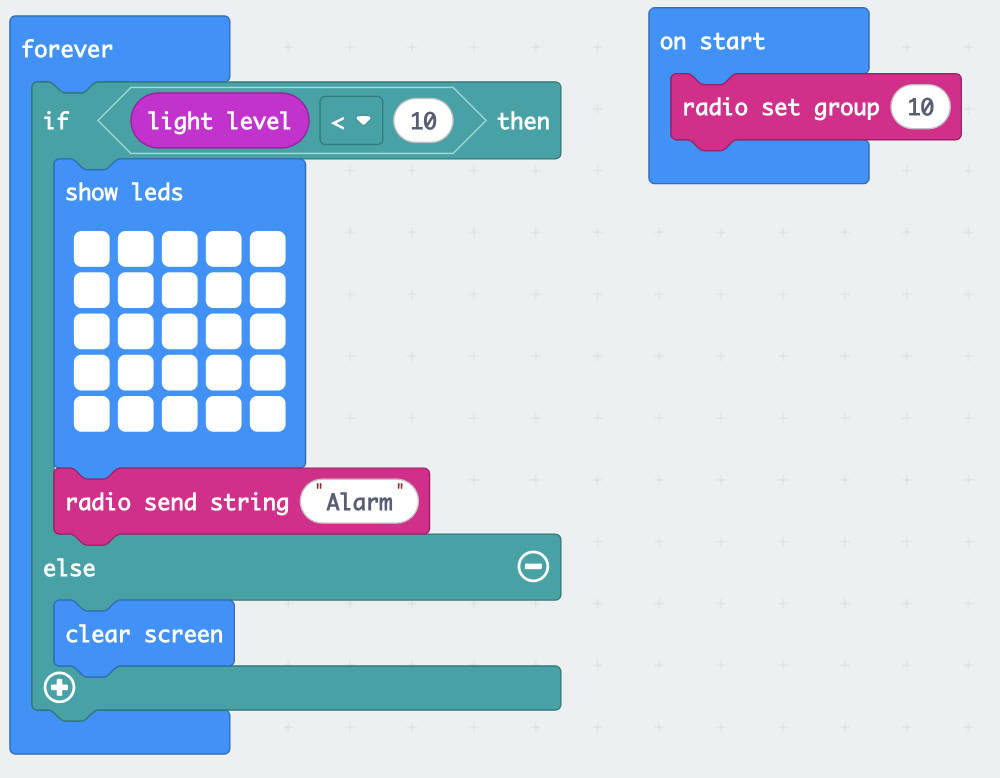
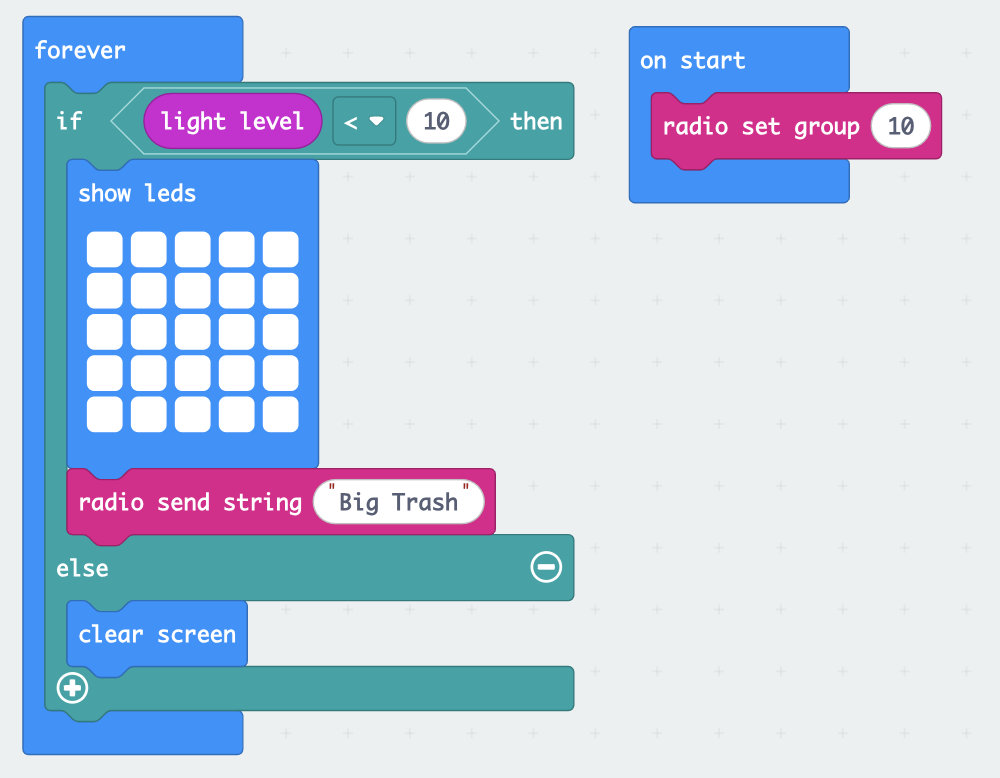
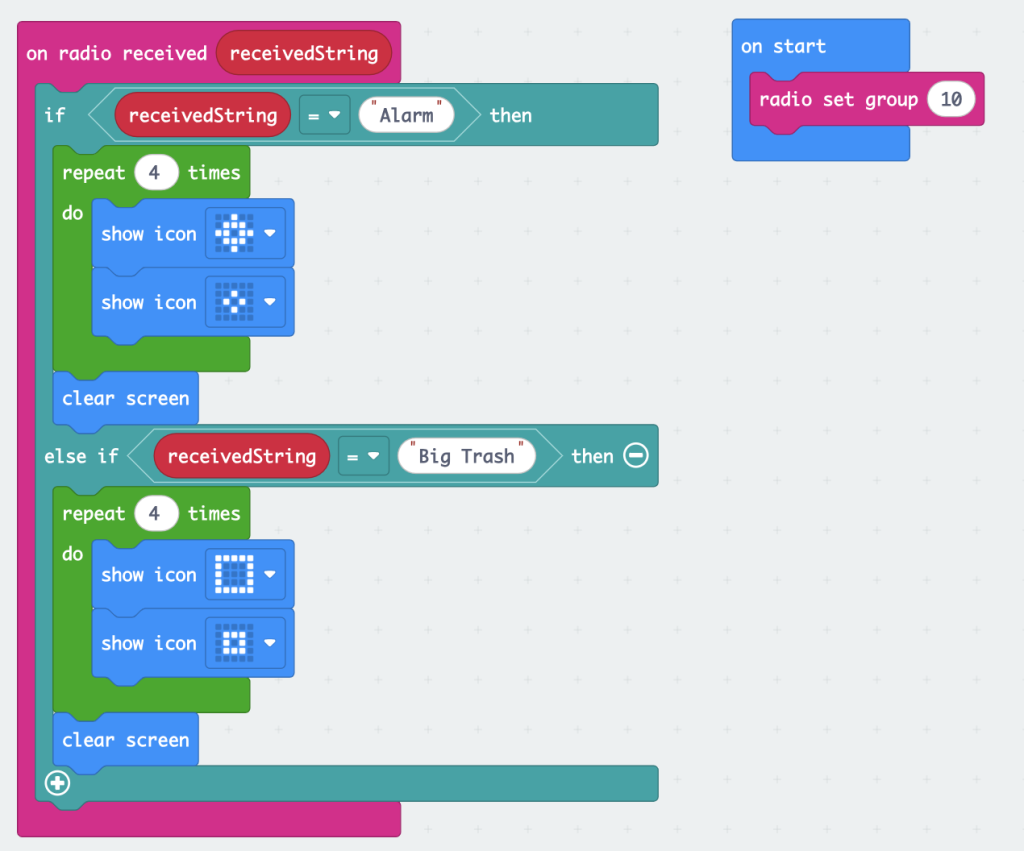
I focussed on improving the micro:bit code, adding a radio communication system. This allowed one micro:bit to send a signal to a third micro:bit, which would display a specific color pattern. This made the concept much closer to our original idea of a connected digital system.
At the end of the day, I created a small storyboard, after which we recorded a short concept video to demonstrate our project and its intended use in an urban context.
Day 4
Presenting
On the final day, we showed our video to the entire class and received feedback. It was useful to see how others interpreted our design whether the intended interaction was understandable.
Reflection
During this week, I learned a lot about how digital systems can be designed to interact with physical environments.
One of the strongest aspects of our process was the communication within the team. We created a Teams group where we shared all pictures, progress updates, and information we needed. This made collaboration smooth and helped us stay aligned throughout the week.
A challenge we faced was coming up with a strong concept on the first day. Initially, many of our ideas felt either too simple or too similar to existing solutions. This made the ideation process slower than expected. To overcome this, we looked for inspiration online and also used ChatGPT to help us explore possible directions. This helped us move past our creative block and eventually led to a concept that felt relevant and achievable.
Personally, I especially enjoyed working on the micro:bit programming. Improving the code from a simple input-output system to a radio-based communication setup gave me more confidence in working with hardware and interactive technology.
This week also helped me better understand how digital design is not only about coding, but also about designing systems that help respond to real-world situations and user needs.
Learning Outcome
1.1 The student applies knowledge and design methods from various disciplines to create sustainable urban experiences in which the physical and digital are intertwined.
This project focused directly on combining digital technology and urban space. Through the smart waste bin concept and the use of micro:bits, I learned how digital systems can support and improve urban services.


1.3 The student tests and iterates the design using various prototypes in an urban context.
We created multiple versions of our prototype and continuously improve the functionality. I learned how testing and feedback help transform an initial concept into more complete and realistic solution.
2.2 The student shares relevant knowledge and skills from their own discipline to help others develop new ways of working and thinking.
I contributed primarily through programming the micro:bits. This allowed me to use my technical background to support the group and improve the final concept.

2.5 The student demonstrates critical ability regarding their own contribution to the group work.
Presenting the concept and receiving feedback helped me understand how different stakeholders, such as citizens and waste management services, would benefit from the proposed system.