Day 1
Exploration
The first day started with a lecture about urban design and an introduction to the new assignment. We were given a specific route through Amsterdam near the school. We had to walk through the city while making small vlogs about different areas.
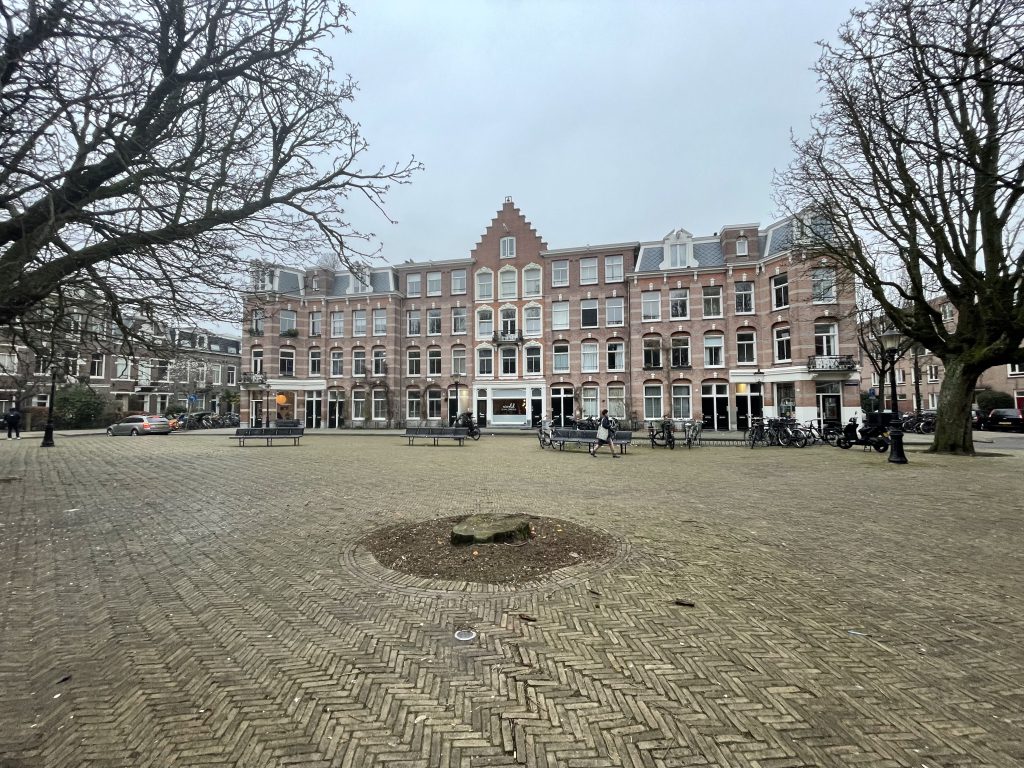
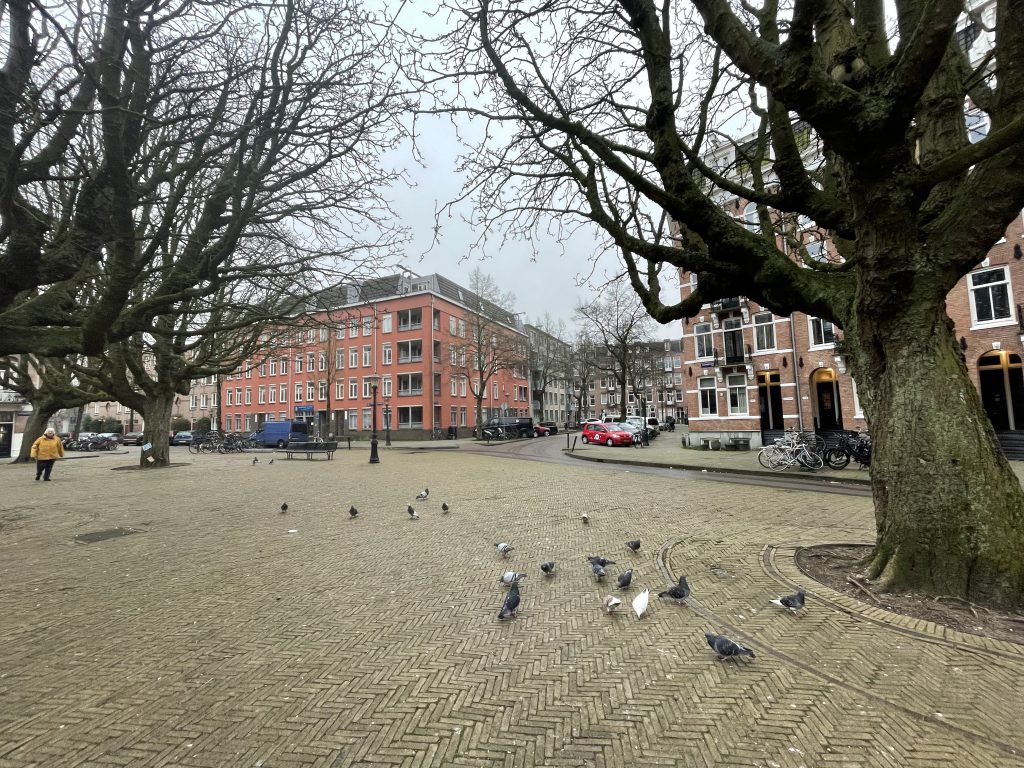
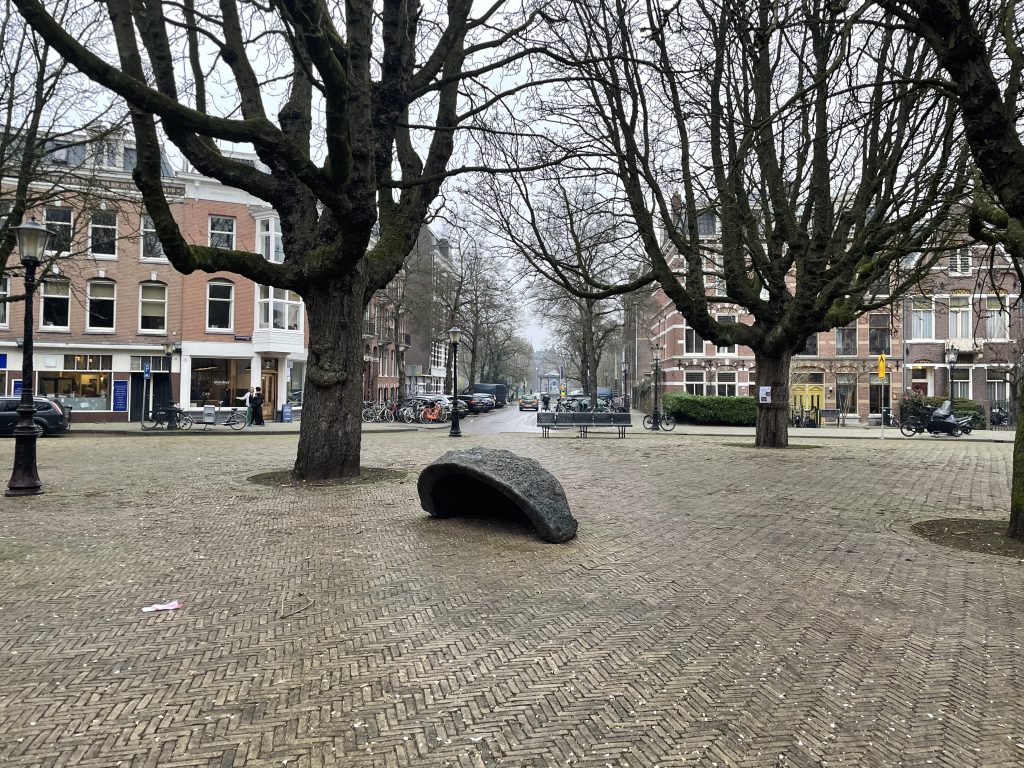
In these vlogs, we described the atmosphere of each location and reflected on the feelings the space gave us, such as whether it felt inviting, busy, open, or uncomfortable. This helped us observe the city from a design perspective and become more aware of how urban spaces influence behaviour and experience.
After making the vlogs, we had to write a short text about our chosen system and explain why we selected a certain square for further intervention.
Day 2
Research
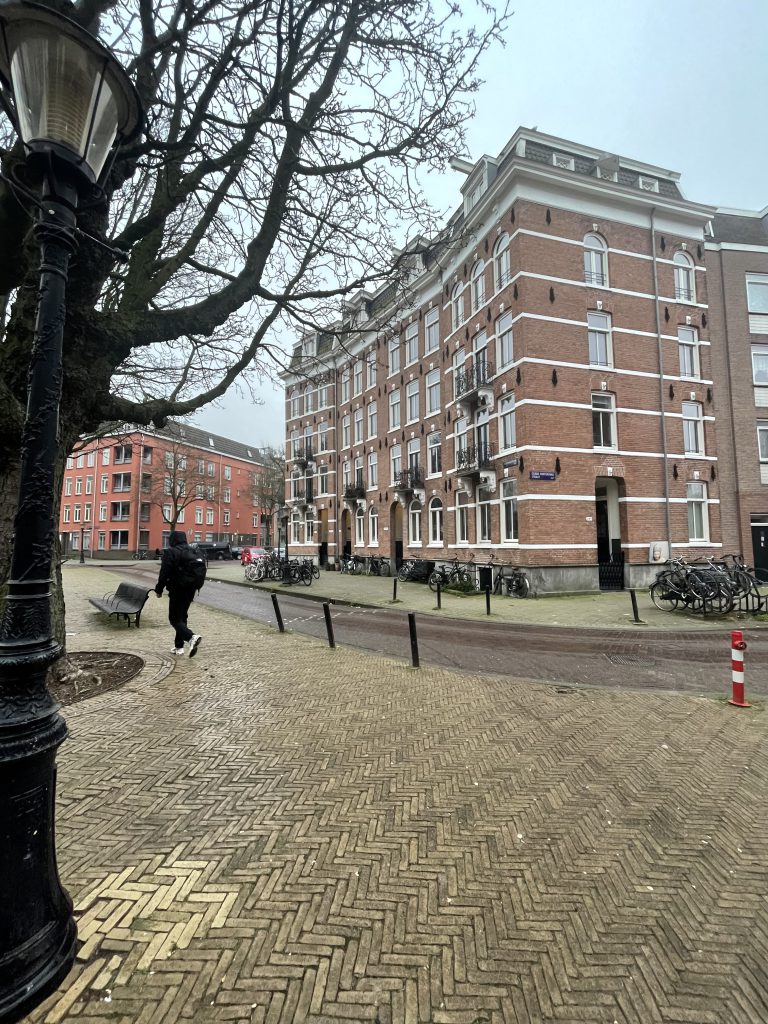
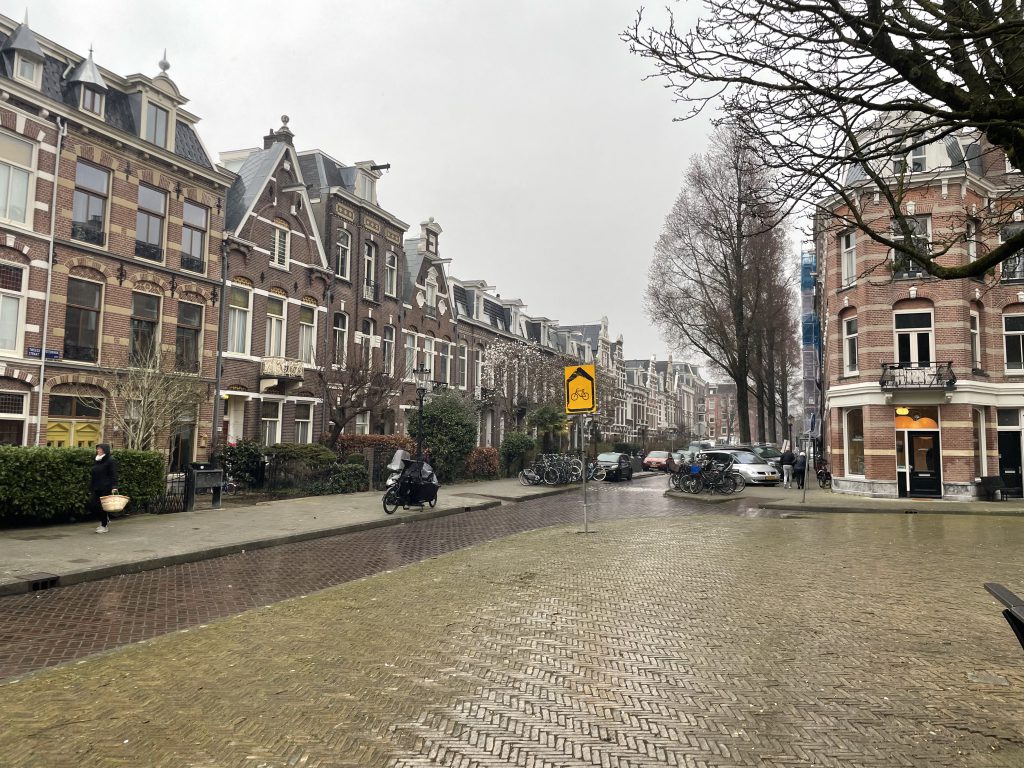
Today we finalised the choice of the square we wanted to redesign. The main goal of the intervention was to create a space where people would stay longer rather than simply pass through.
I joined a group working on square 5: Kastanjeplein. Our task was to interview people at the square about different systems we were individually focusing on.
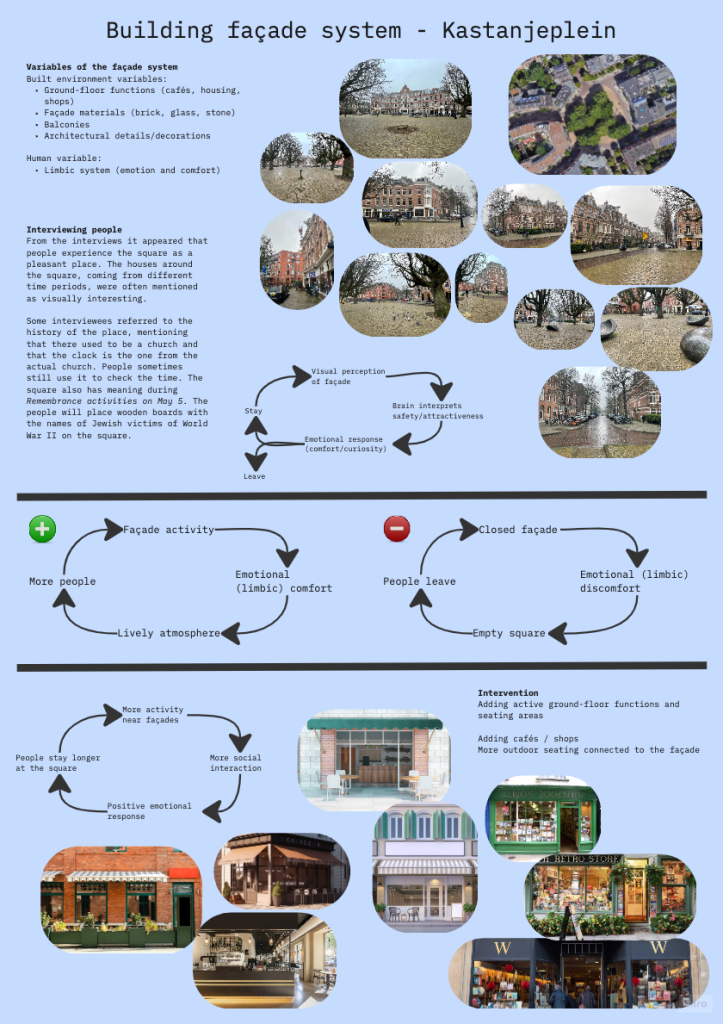
My personal focus was the façade system. The day before, I had already interviewed several people, which allowed me to reuse those insights while also asking additional questions to people present at the square.
After getting the information, each of us created a poster explaining our chosen system and our proposed intervention.
Day 3
Integration
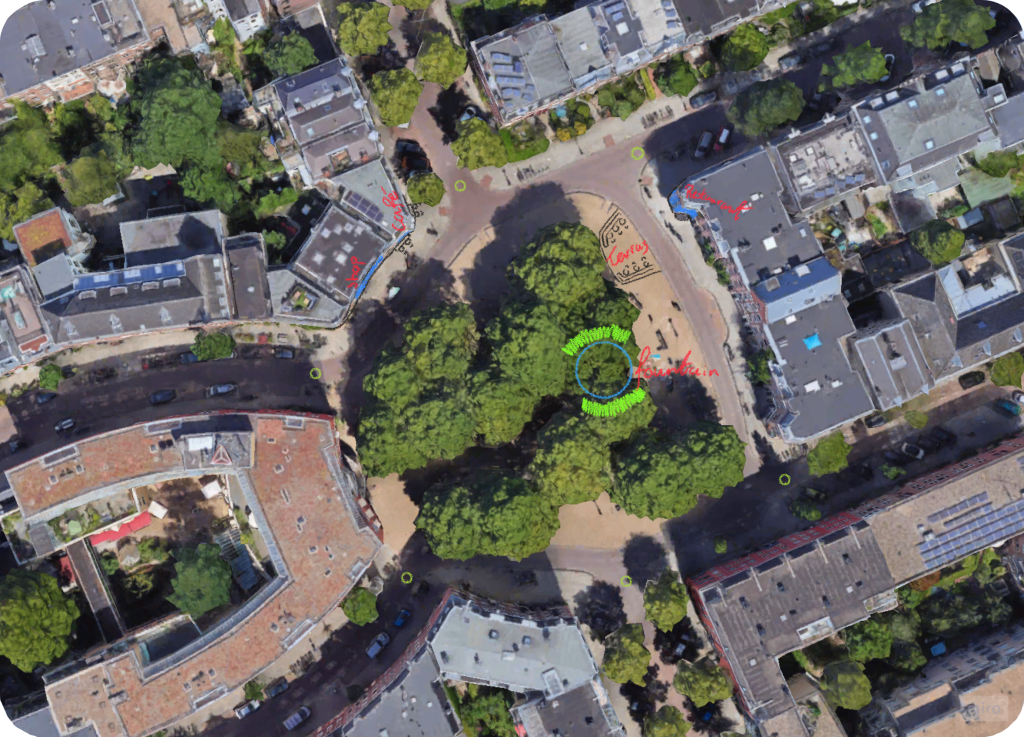
After another lecture, we started combining our individual interventions into one coherent final design.
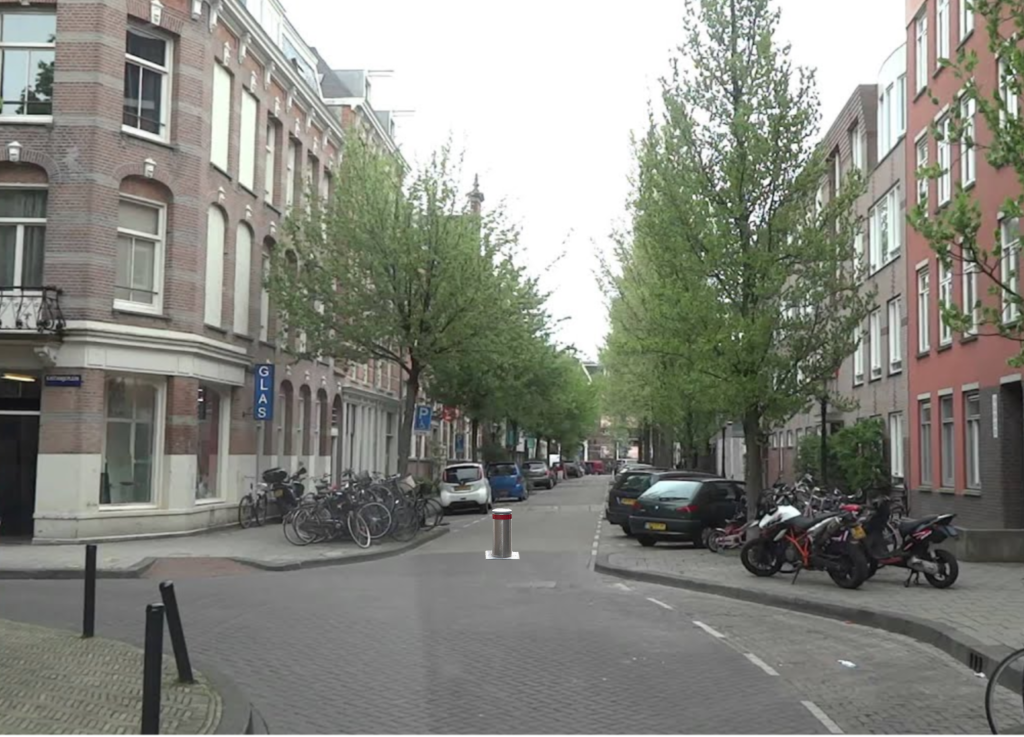
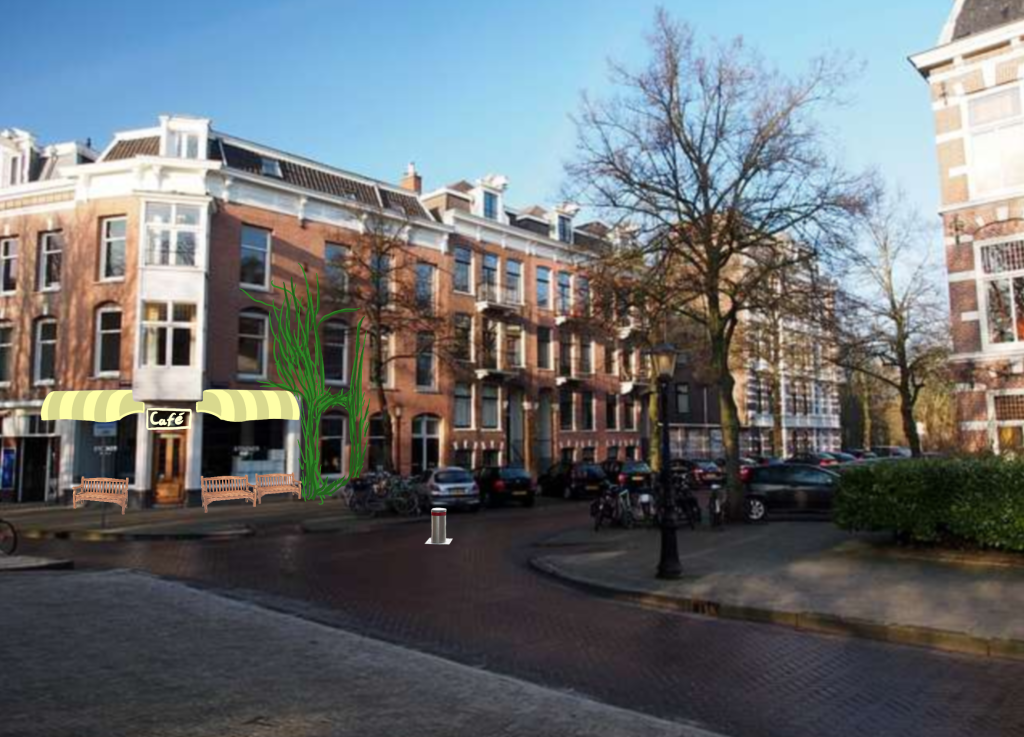
The different systems now had to work together as one overall intervention aimed at encouraging people to remain in the square for a longer time.
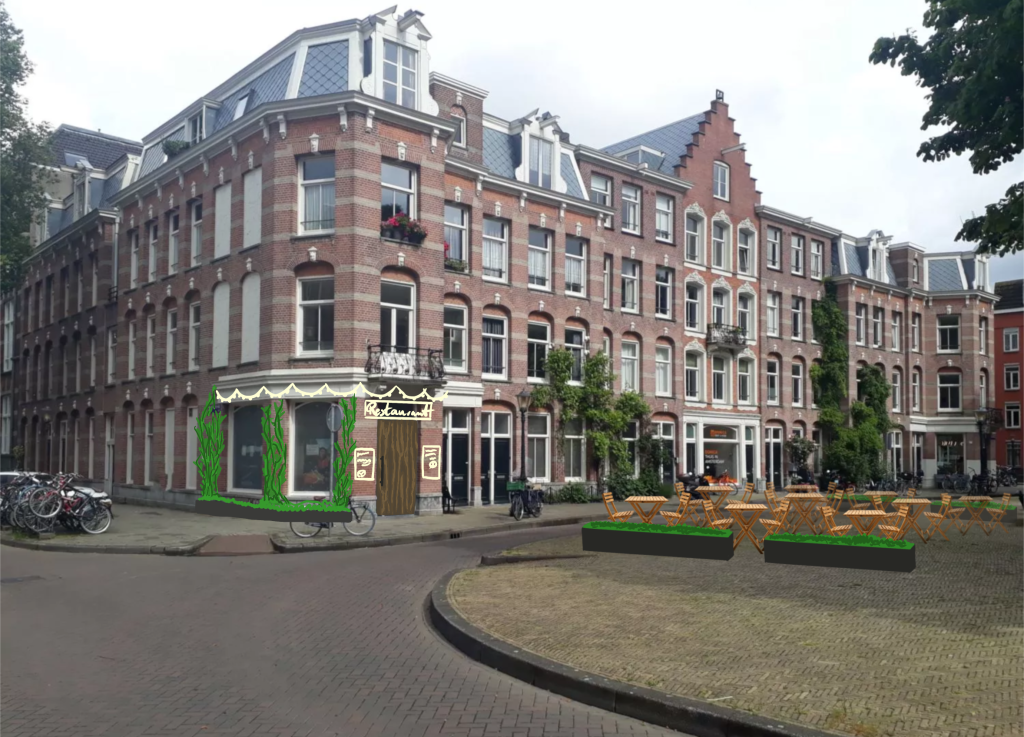
I worked on drawing my own intervention and also helped with the traffic intervention drawing. Together we created several posters to visually explain the concept and show how all systems interacted within the urban space.
This was an important step, as it required translating separate ideas into one integrated urban design proposal.
Day 4
Presentation
Today we presented our posters in front of the class, and overall it went well. Each student had to provide feedback on:
- the individual contribution
- the group process
- the final intervention
Unfortunately, I had a small medical intervention during our presentation, which meant I missed a few presentations, including part of our own presentation.
Despite that, the presentation process went smoothly and we received useful feedback on our design.
Reflection
At first, walking through the city making vlogs felt a bit awkward and unfamiliar, since I normally don’t vlog or speak in videos. However, this method turned out to be useful. It helped me observe the city more consciously and become more aware of how urban spaces affect atmosphere, movement, and the way people experience a location.
I also learned more about how different systems within the city, such as façades, traffic, and public space layout, contribute to the overall experience of a square.
Working together with a new team of people I did not know well was a valuable experience. It encouraged me to socialise more and adapt to different working styles. We did encounter a small communication issue at one point, mainly because we interpreted ideas differently. Fortunately, we resolved this by discussing our thoughts more clearly and making sure everyone understood the intended meaning.
This project showed me the importance of communication, context analysis, and integrating multiple systems into one urban intervention.
Learning Outcome
1.2 The student maps the wants and needs of a diverse group of stakeholders using various research methods and translates this into requirements.
Through observations and interviews at Kastanjeplein, I learned how people experience public spaces and what influences whether they stay or move on.


1.3 The student tests and iterates the design using various prototypes in an urban context.
The intervention developed throughout the week through feedback, discussions, and visual iterations. This showed me how important refinement is when designing for public spaces.

1.4 The student demonstrates the value of the design from the perspective of the different stakeholders.
Our intervention was designed to encourage people to spend more time at the square. By presenting and discussing the proposal, I learned how to justify design choices from the perspective of users and the local environment.
2.5 The student demonstrates critical ability regarding their own contribution to the group work.
During the project, I contributed my own façade intervention and supported the traffic intervention. Reflecting on the collaboration and communication within the group helped me understand my own role and contribution.