Day 1
Observation
The first day of the bootcamp was both informative and engaging. Kevin introduced us to key concepts related to human behaviour and how it can be influenced or changed though design interventions. This gave us a clear foundation for the rest of the week and introduced the psychology perspective behind the assignment.
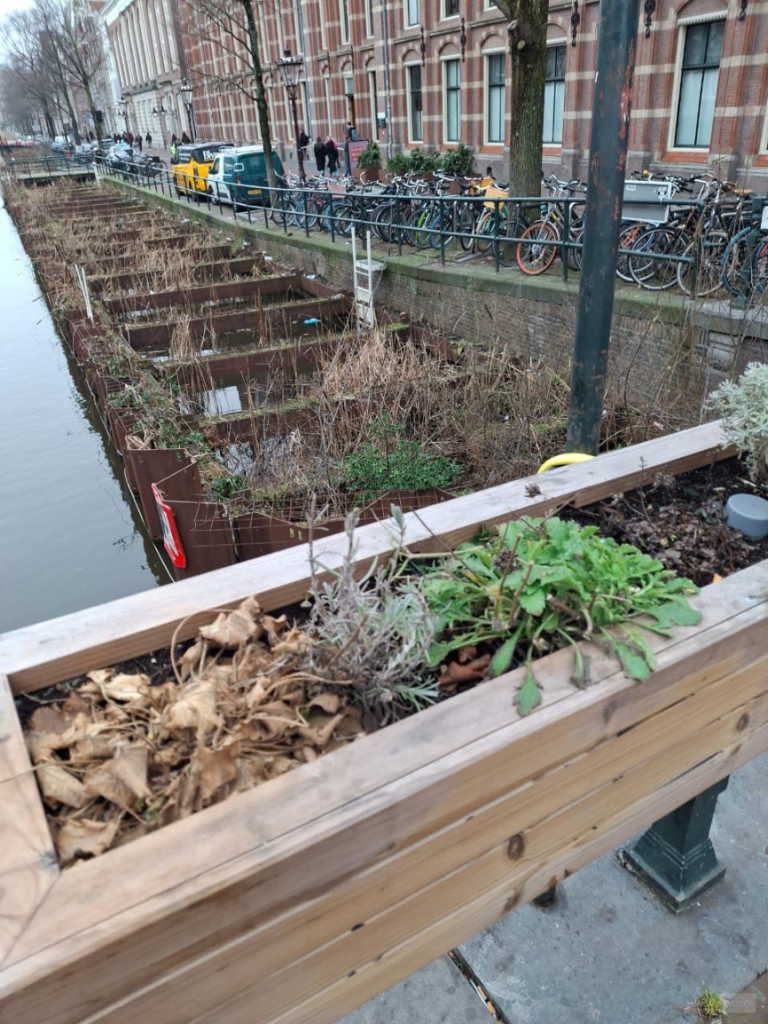
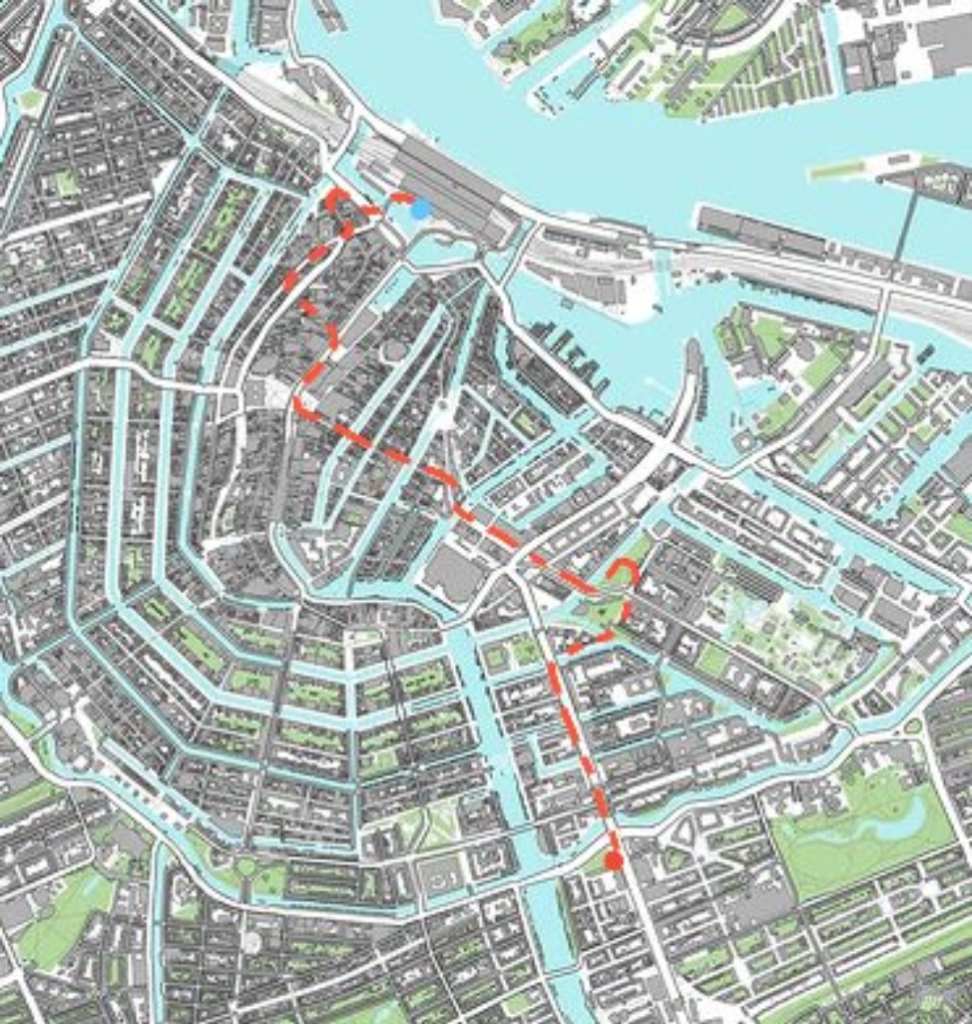
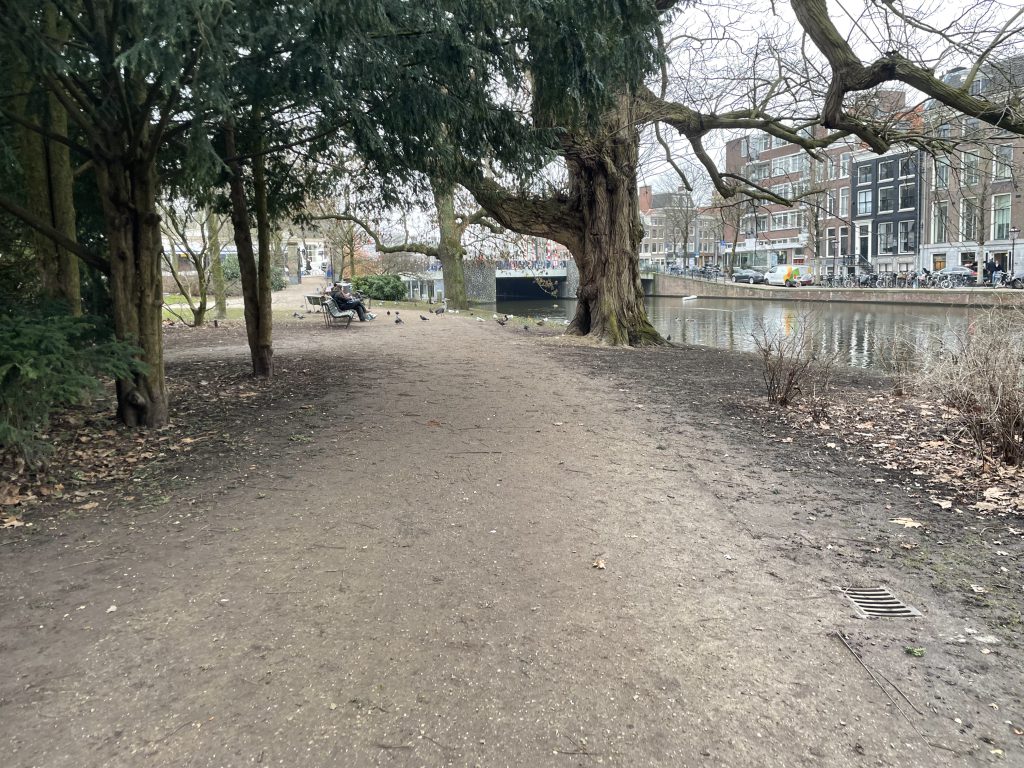
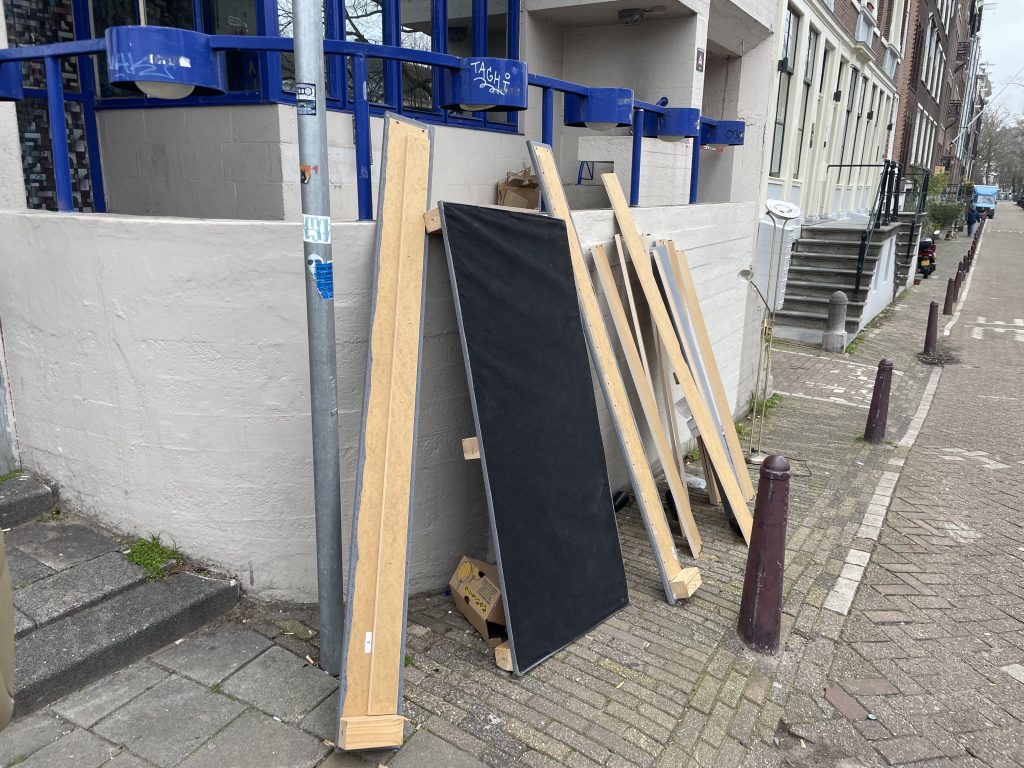
After the introduction, we worked on a short group exercise in which we had to quickly come up with solutions to different problems. This immediately encouraged us to think creatively and practically, while also showing how people can approach the same issue from different perspectives.
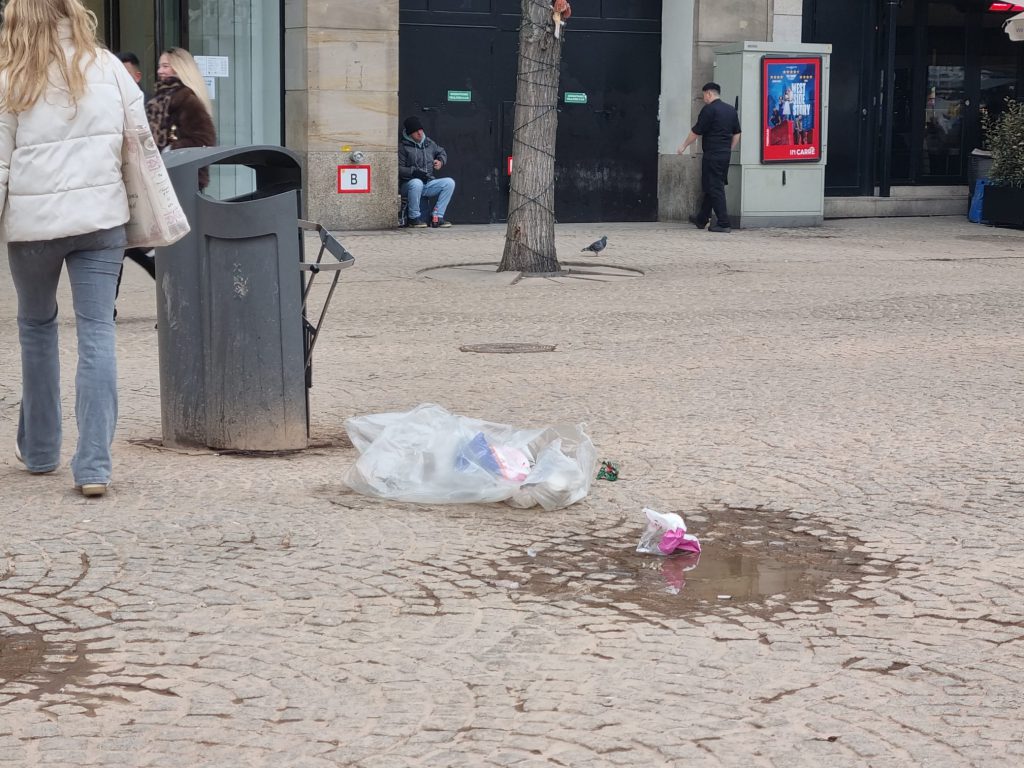
Later, we received our main assignment for the week: to go into the city and observe real-life situations that could potentially be redesigned. My team consisted of Angela, Alex, Linh, Phoebe, Zoe, and me. We walked from school to Central Station, taking a small detour to broaden our observations. Along the way, we documented different situations by taking photos so we could analyse them later.
Day 2
Analysis
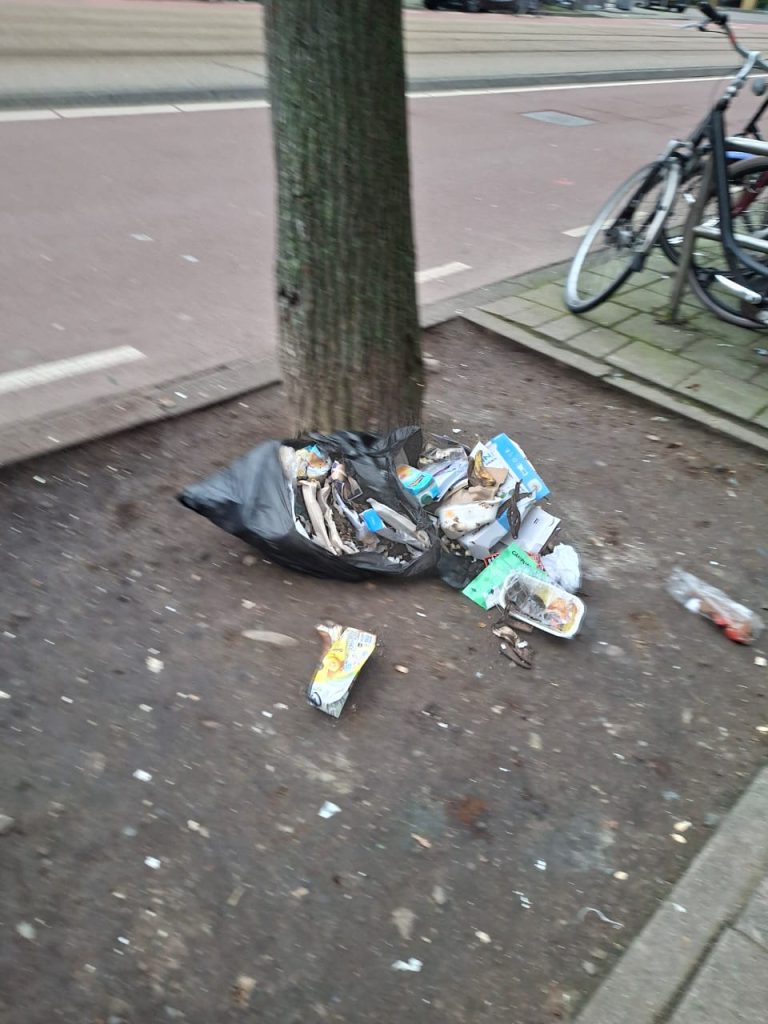
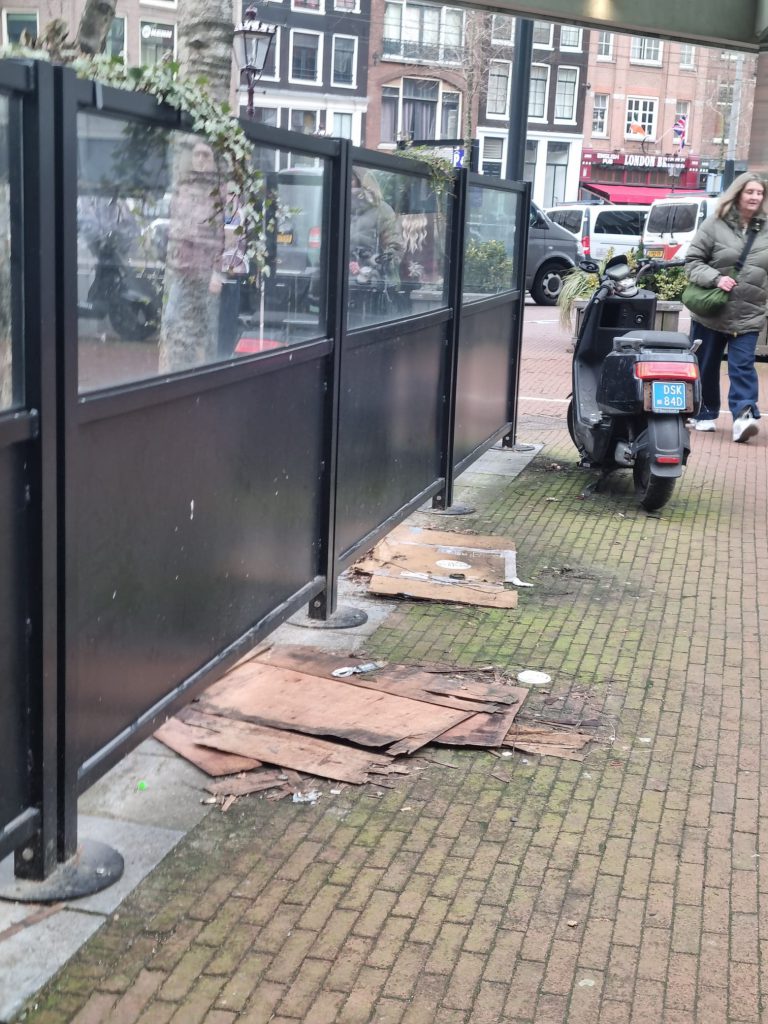
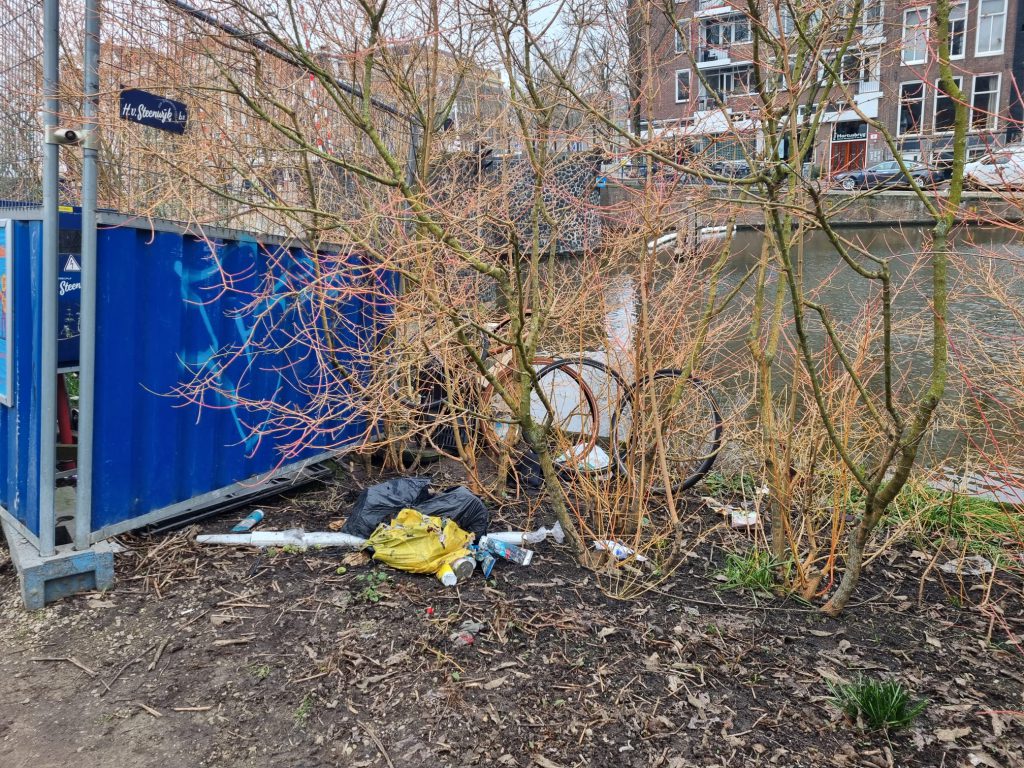
We presented the findings from our walk to Central Station. During the presentation, we shared the situations we had observed and explained our initial thoughts about the possible problems behind them.
The feedback from classmates and the teacher helped us look more critically at our observations and refine our understanding of the issues. It became clear that what first appears to be simple problem often has deeper behavioural causes.
After the presentation, we received a new assignment. We had to select one specific situation and clearly define:
- the problem behaviour
- the desired target behaviour
- the target group
This helped us structure the problem in a much more focused way.
Day 3
Ideation
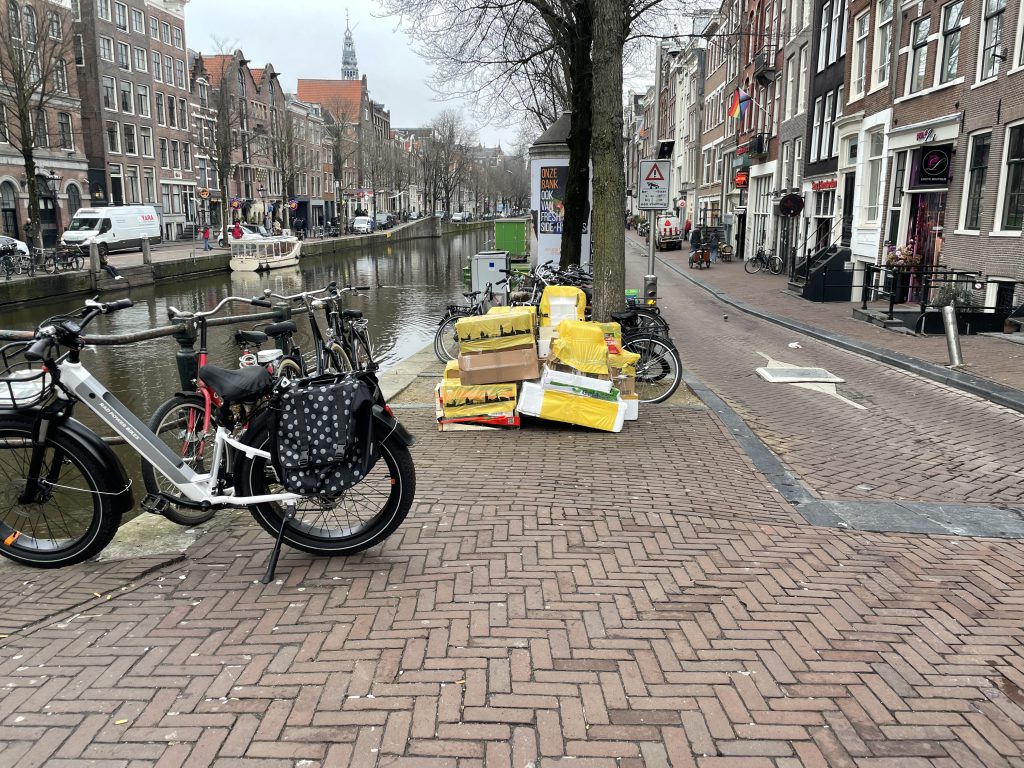
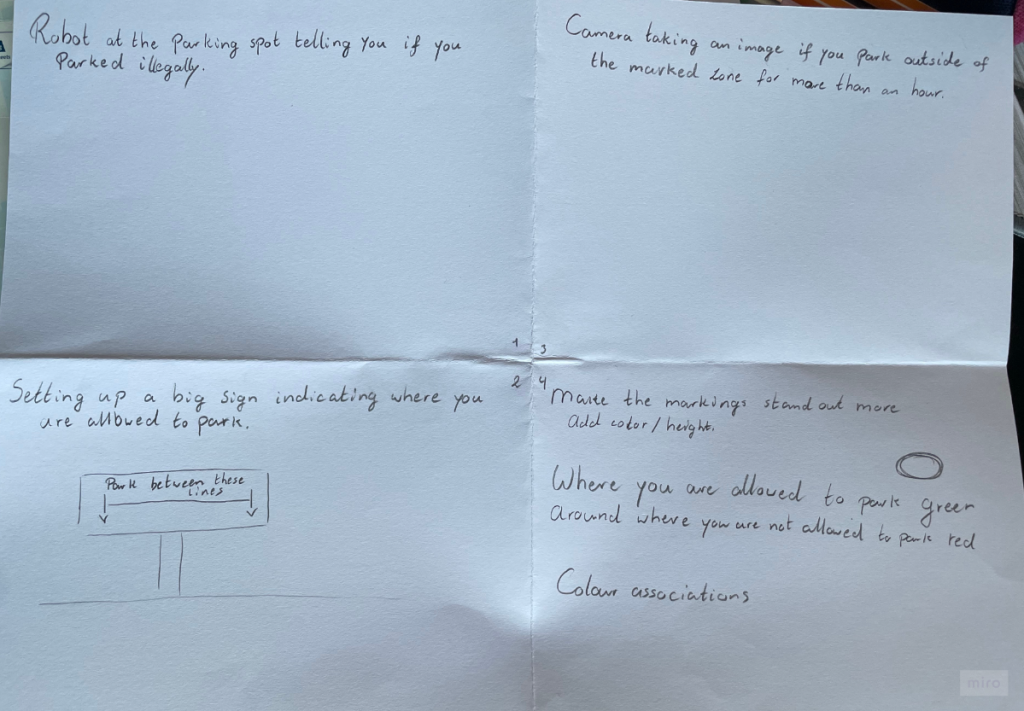
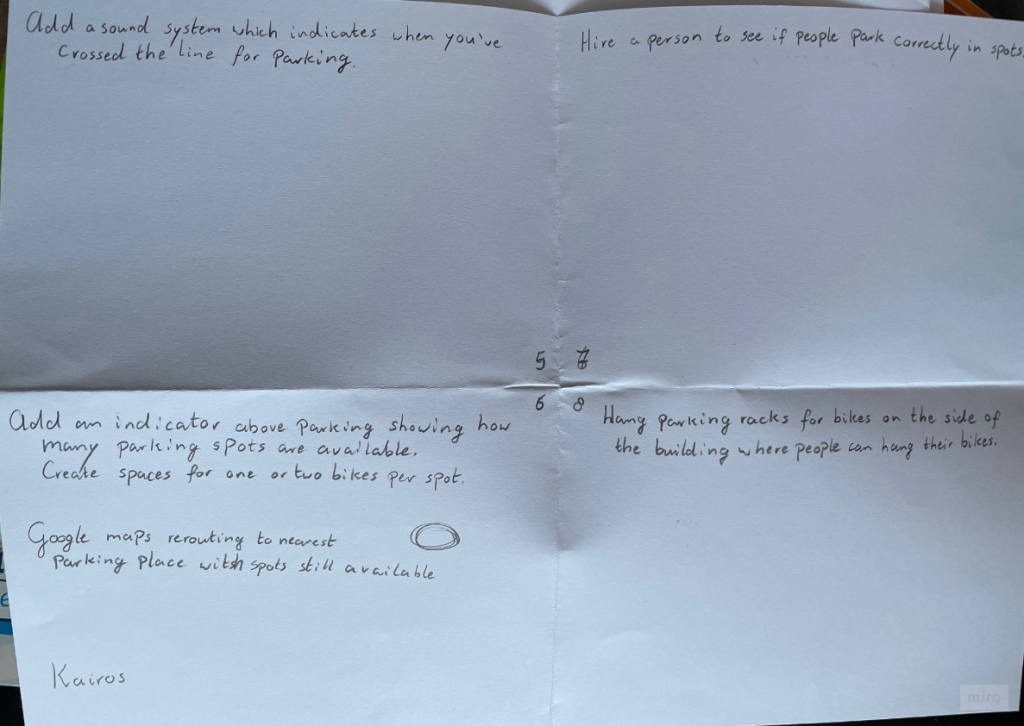
During class, we were challenged with a rapid ideation exercise: creating eight design concepts in eight minutes. This forced us to think quickly and avoid overanalysing our ideas.
I found this exercise particularly useful because it encouraged creativity and showed that strong concepts often emerge from quantity first, before quality is refined.
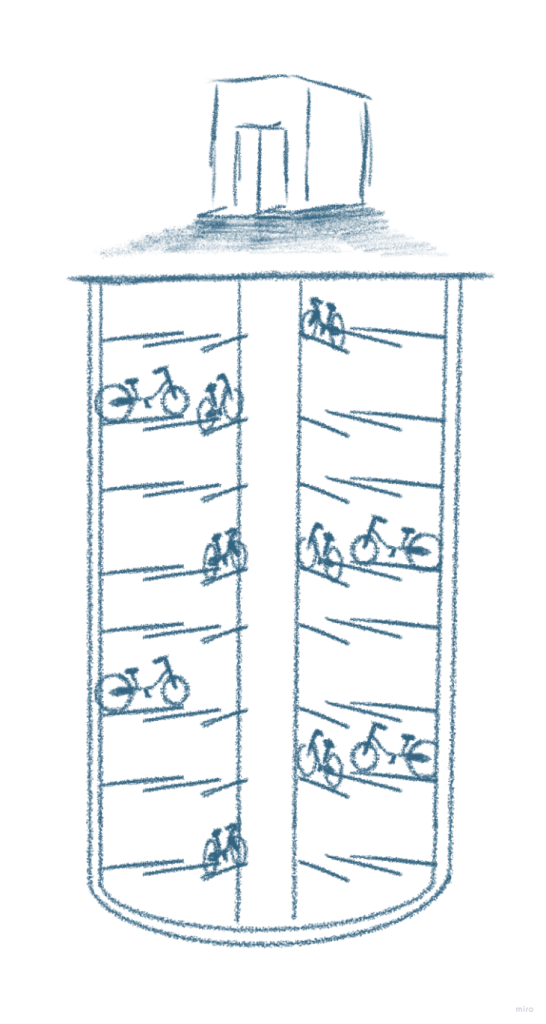
From these initial sketches, we selected the most promising concepts and developed them further as a team. In the end, we chose a solution focused on underground bicycle parking combined with clear signage to indicate proper parking areas.
For the assignment, we had to create three posters:
- the problem
- our research and analysis
- the final design solution
This helped us clearly communicate our design proces.
Day 4
Presentation
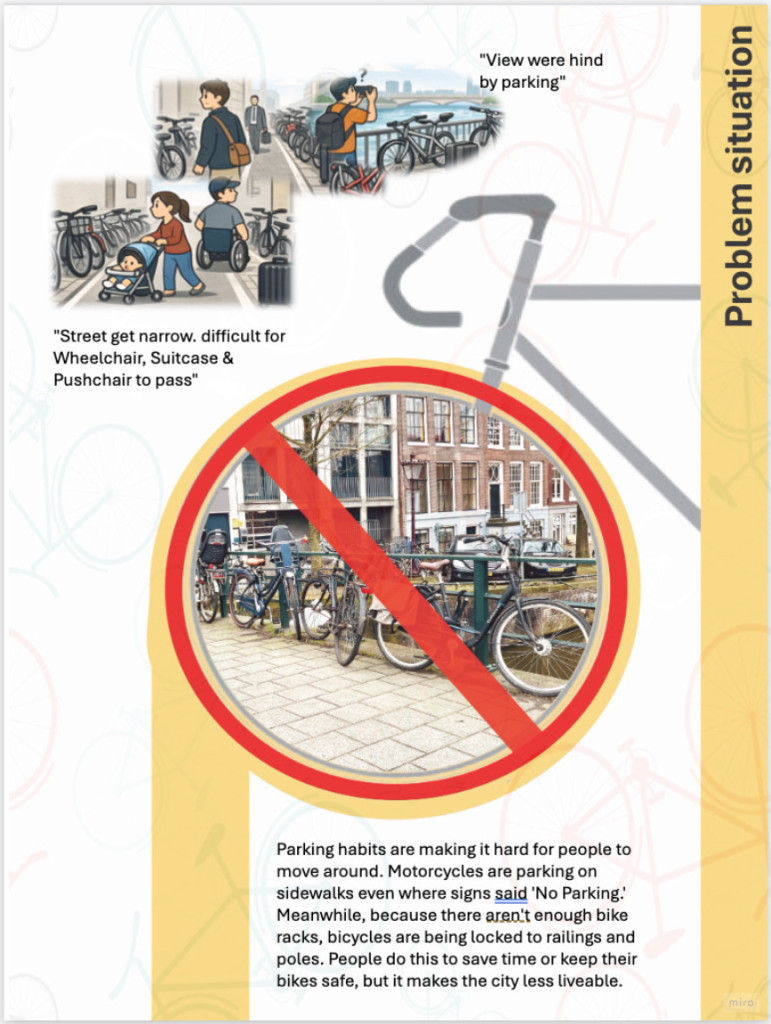
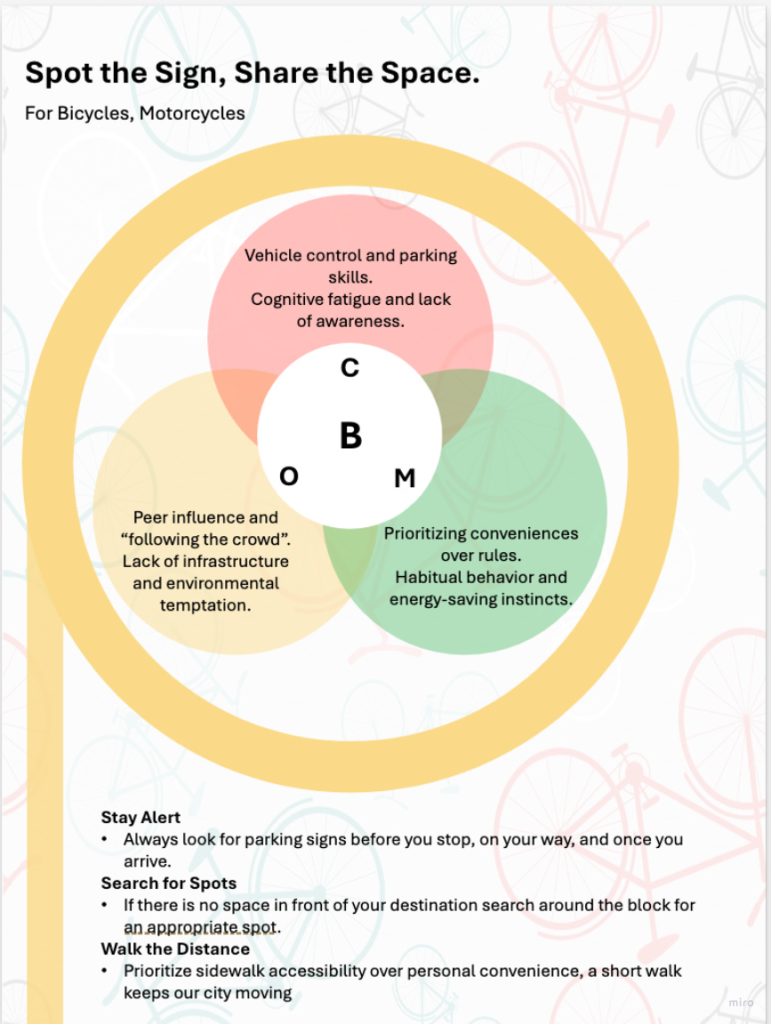
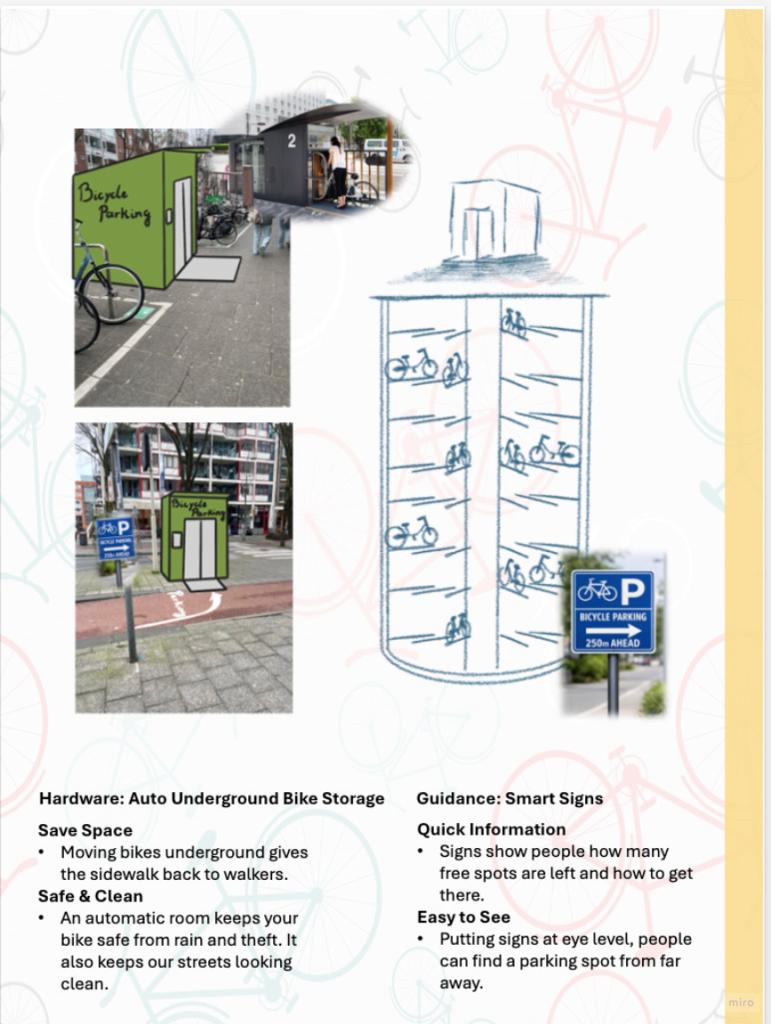
After finalising our posters, we sent them to our teacher for printing. Once printed, we displayed them on the walls together with the work of the other groups.
We then walked around the room, discussing and reviewing everyone’s solutions in an informal exhibition-style setting.
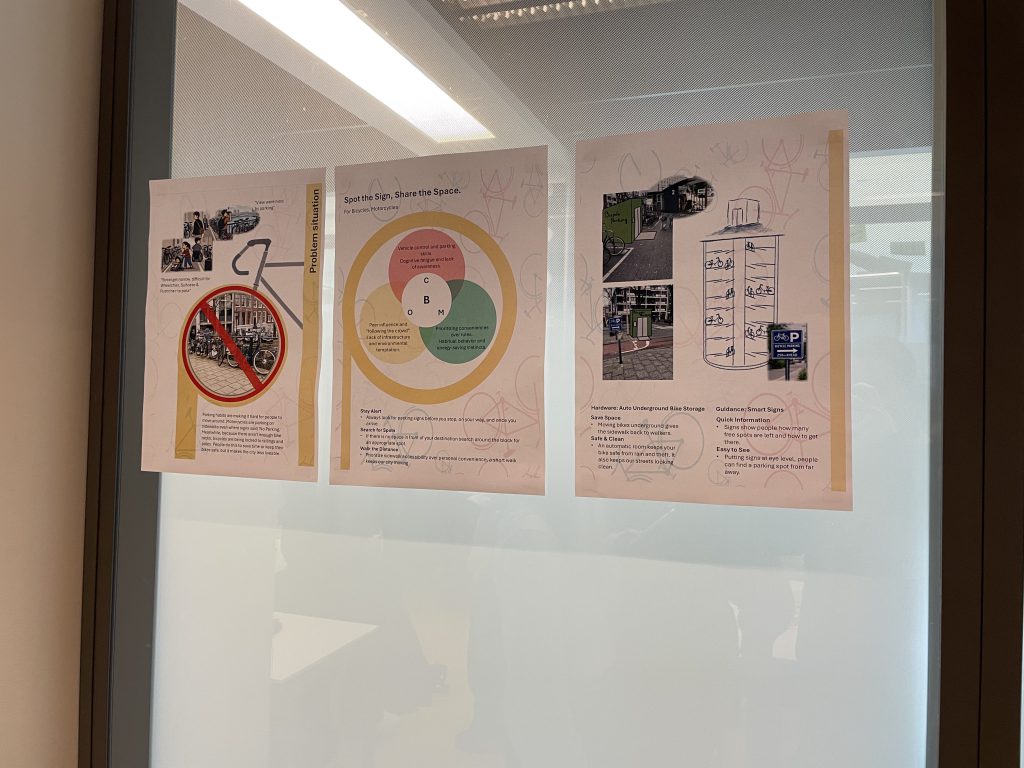
It was interesting to notice that many groups focused on similar themes, such as waste management or bicycle parking. However, even when addressing the same type of problem, each group approached it differently.
Seeing this variety of outcomes highlighted how different perspectives, research choices, and design methods can lead to very different solutions.
Reflection
Throughout this bootcamp, I learned that solving behavioural problems requires more than simply identifying what is going wrong. It involves carefully observing the context, defining specific behaviours, and understanding the needs and motivations of the target group.
Breaking situations down into problem behaviour and target behaviour helped me understand how precise and structured the design process needs to be when working with human behaviour.
I also realised the importance of observation. By walking through the city and documenting real-life situations, I learned how much insight can come from simply paying close attention to your surroundings. Small everyday frustrations often reveal larger behavioural patterns that can be improved through design.
Another valuable lesson was the power of rapid idea generation and iteration. The “8 designs in 8 minutes” exercise showed me that quickly generating many ideas can lead to unexpected and creative solutions. Not every idea needs to be perfect immediately; refinement comes through selection, discussion, and feedback.
Finally, presenting our work and viewing the posters of other groups made me more aware of the many different perspectives that can exist around the same problem. Even when starting from a similar theme, each team developed a unique solution.
This experience strengthened my understanding that design is not only about creating a final solution, but also about researching, analysing behaviour, reflecting on choices, and continuously improving based on context and user needs.
Learning Outcome
1.2 The student maps the wants and needs of a diverse group of stakeholders using various research methods and translates this into requirements.
The entire project focused on observing behaviour in the city and analysing the reasons behind it. I learned how to define target groups, problem behaviour, and desired behaviour, which helped me understand user-centred design more deeply.



1.3 The student tests and iterates the design using various prototypes in an urban context.
The rapid ideation exercise showed me how quickly generating and refining ideas can lead to stronger concepts. Although we did not build physical prototypes, we continuously improved our ideas through feedback and discussion.
2.4 The student reflects on their own development, the transdisciplinary collaboration, and develops a vision of themselves as a designer.
Working with different perspectives helped me understand that there are many ways to approach behavioural problems. This broadened my view on design and user behaviour.